
Ingredients
Method
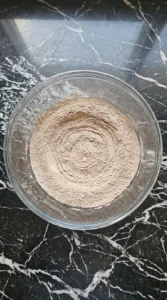
- Measure your dry components into a large clear glass mixing bowl. Add the unbleached all-purpose flour, dark cocoa powder, baking soda, and fine sea salt. Use a stainless steel balloon whisk to combine them with an airy, circular hand-motion. You'll see the stark white flour blend completely into the dark brown cocoa until the mixture turns a uniform, pale mocha shade. Watch for clumps of cocoa and break them up early. Miss this step and your cookie dough will have bitter pockets of dry powder. (I tried skipping the whisking once, the baking soda clumped and left a terrible metallic taste in half the batch.) Whisk for exactly 30 seconds to ensure everything distributes perfectly. The thorough aeration creates a light but stable structure for the heavy chocolate chips later.
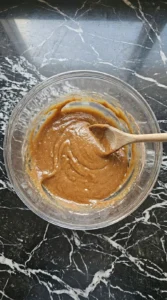
- Pour the warm melted unsalted butter into the large clear glass mixing bowl. Add the dark brown sugar and white granulated sugar right into the liquid. Work the mixture with a sturdy wooden spoon using a vigorous scraping action around the sides. Your mixture will quickly transform from grainy liquid into a thick, glossy paste that looks like wet sand. You'll smell the rich caramel notes from the molasses releasing into the room. Keep mixing for about 2 minutes until the sugar granules begin to dissolve into the fat. Stop before the butter separates or feels greasy. Combining the sugars with warm fat ensures a chewy cookie texture rather than a cakey one.
- Dump the whisked dry powders into the wet sugar paste inside the large clear glass mixing bowl. Use a flexible black rubber spatula to fold the ingredients together using a gentle J-shaped motion from the bottom up. Toss in the dark chocolate chips when the flour is halfway incorporated. The dough will stiffen into a heavy, dark mahogany mass that holds its shape. You'll see beautiful pockets of unmixed flour vanish into the rich dough while the shiny chocolate chips distribute unevenly throughout the mixture. Stop folding the moment the last streak of white disappears. Overworking the dough at this stage develops too much gluten and makes the finished cookies tough. (My first batch was folded for way too long and they ended up like dense bread disks instead of cookies.) Fold for about 45 seconds until just combined. Fold gently until uniform, the minimal handling keeps the cookie crumb tender and soft.

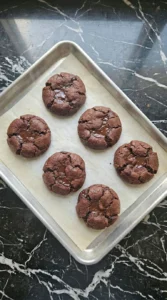
- Use a metal ice cream scoop to drop 6 large mounds of dough onto a large aluminum sheet pan lined with parchment paper. Space them unevenly to allow room for spreading. Bake at 350°F in a preheated oven for 10 to 12 minutes. You'll watch the mounds soften into thick discs with deep cracks across the surface. The edges will set firmly while the very center remains soft and slightly glossy. You'll smell an intense aroma of toasted cocoa and caramelized sugar filling your kitchen. Pull the pan out while the centers still look underdone. Leave the cookies on the hot pan for 5 minutes, the carryover heat finishes the center baking without drying out the edges.
Notes
Store your baked cookies in an airtight plastic container at room temperature for up to 4 days. Keep a tight lid on them to preserve that soft and fudgy center texture. You can also freeze the unbaked dough balls for up to 2 months in a heavy freezer bag. Reheat a single cookie in the microwave on medium power for exactly 10 seconds to restore that fresh out of the oven experience. Watch for any stale odors or a hardened texture as clear signs that the cookies have passed their prime.