
Ingredients
Method
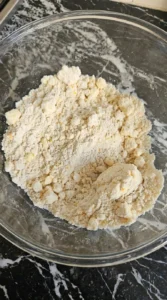
- Start by setting your oven to 400°F and lining a large baking sheet with parchment paper. In a large mixing bowl whisk together 2 cups of all-purpose wheat flour, 1/3 cup of granulated white sugar, 1 tablespoon of baking powder and 1/2 teaspoon of fine sea salt. Add the finely grated zest of 1 large navel orange. Next cut 1/2 cup of cold unsalted butter into small cubes and work it through the flour with your fingertips or a pastry cutter for 2 to 3 minutes. Stop when you see coarse crumbs with some pea-sized butter pieces. Don't make a smooth paste. The mixture should look rough and a little uneven. That's good. You might smell the orange as its zest mixes with the sugar and flour. If you rub the butter too long it softens and the scones lose their flaky texture. Keep the butter cold so small pockets of steam can form during baking.
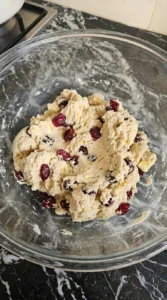
- In a separate small bowl whisk 1 large egg with 1/2 cup of cold heavy whipping cream and 1 teaspoon of pure vanilla extract for about 30 seconds. Pour this mixture over the butter crumbs. Then add 3/4 cup of sweetened dried cranberries. Use a rubber spatula to fold everything together with slow strokes for 45 to 60 seconds. Scrape the bottom as you turn the mixture so the dry flour gets damp without crushing the butter. Stop as soon as the dough forms rough clumps. A few dry-looking patches are fine. You'll see red cranberry pieces tucked into a pale and slightly sticky dough. Some crumbs may still sit at the edges. That's normal. Keep the mixture rough because too much stirring builds gluten and makes the baked wedges firm instead of tender.
- Turn the shaggy dough onto a lightly floured work area and bring it together with 3 or 4 gentle folds. Press it into a round disc about 7 inches wide and 1 inch thick. Don't knead it like bread. Then cut straight through the disc to make 8 triangular wedges. Place them on the parchment-lined baking sheet with about 2 inches between each piece. Brush the tops with 1 tablespoon of cold heavy whipping cream. Finally chill the shaped wedges in the refrigerator at about 40°F for 15 minutes while the oven finishes heating. The wedges should hold their shape but still have rough edges and visible cranberry pieces. If the dough feels greasy or spreads while you cut it, the butter has warmed too much. Chill it before baking. Cold dough helps the scones rise before their edges spread.

- Slide the chilled baking sheet onto the middle rack of the 400°F oven. Bake for 18 to 22 minutes and check the color at minute 18. The wedges should rise and form light golden tops with deeper golden edges. Rotate the baking sheet halfway through if your oven browns more on one side. Then take the tray out and let the scones rest on it for 5 minutes before moving them to a cooling rack. Give them another 10 to 15 minutes to cool before adding glaze. The tops should feel set and the centers should look pale and crumbly rather than wet. You'll also smell warm butter and orange zest. Leave them too long and the edges dry out. Pull them when the centers are set because the hot tray keeps them warm as they rest.

- While the baked scones cool, whisk 3/4 cup of powdered sugar with 1 1/2 tablespoons of fresh navel orange juice for 30 to 45 seconds. The glaze should flow slowly from a spoon rather than run like water. Add the remaining 1/2 tablespoon of juice only if it's too thick to drizzle. Once the scones have cooled for at least 15 minutes, drizzle the glaze over their tops and let it set for 10 minutes. Then move one wedge to a white serving plate and gently split it to show the soft center. You'll see thin white ribbons over the golden crust with a few drips along the rough sides. The glaze should feel lightly set rather than wet. If you add it while the scones are too hot, it'll soak in and vanish. Cooling protects the crust and helps the glaze hold its shape.

Notes
Store leftover Cranberry Orange Scones in an airtight container in the refrigerator for up to 5 days. Place a piece of parchment paper between layers so the glaze doesn't stick. For longer storage, wrap each fully cooled scone in plastic wrap and place it in a freezer-safe bag for up to 2 months. The glaze can become damp after thawing so unglazed scones freeze best. At room temperature, keep them in a sealed container for up to 2 days. To reheat, place an unglazed scone in a 300°F oven for 6 to 8 minutes or until warm in the center. Add fresh glaze after reheating if needed. Discard scones that show mold or develop an unusual smell. Don't reheat spoiled food.