Creamy Garlic Parmesan Pasta
This is the pasta I fall back on when dinner needs to feel good but I don’t want a whole production. Just a few basics, one pan, and it turns into something rich and comforting without much effort. The sauce is what makes it. Garlic stays soft, the cream thickens slowly, and the parmesan melts in until everything feels smooth and glossy.
If you like cozy dinners like this, you might also enjoy this One Pot Chicken Alfredo Pasta for something a little more filling. No tricks here.
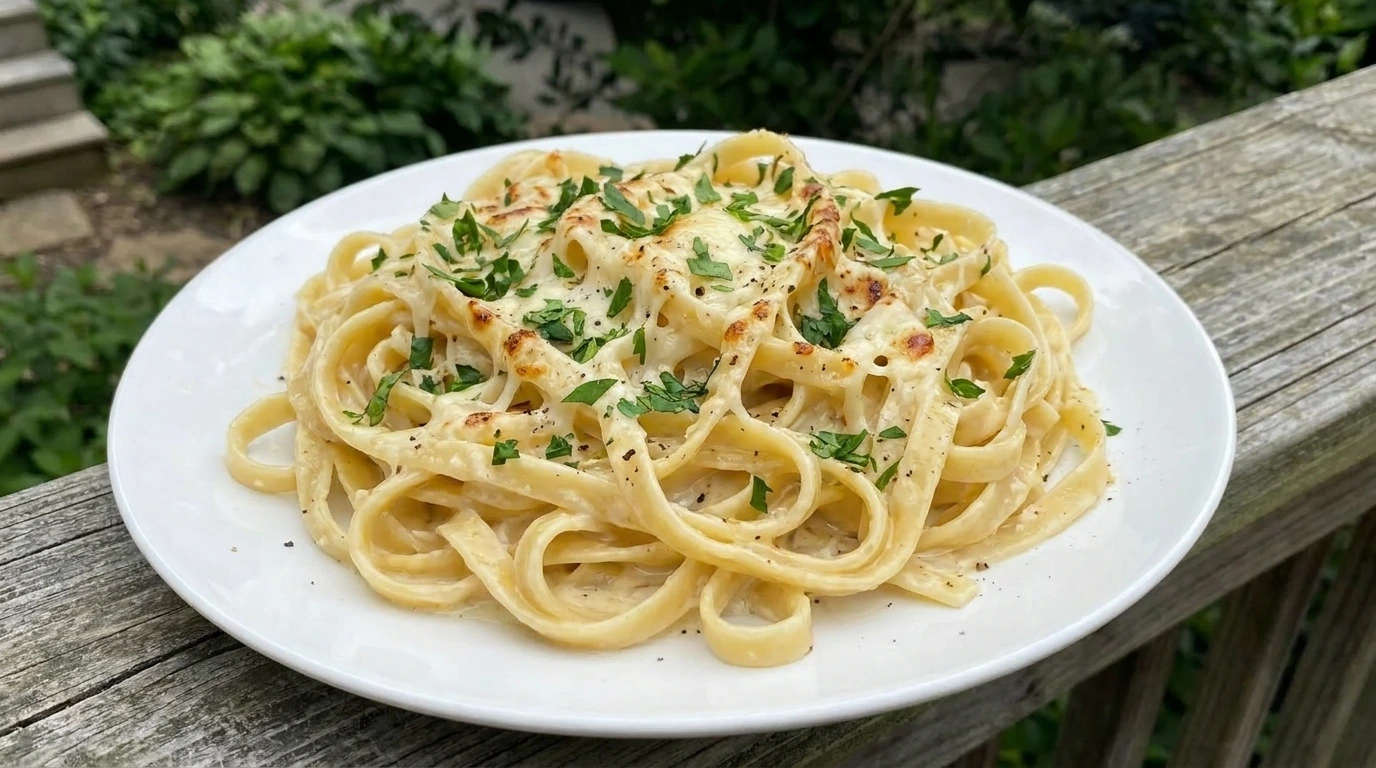
Just paying attention to heat, timing, and letting each step do its job. It’s the kind of pasta you end up making again without thinking about it.
The Secret to This Recipe
Keeping the heat at medium-low when cooking garlic prevents it from turning bitter before the cream goes in. Adding parmesan gradually at a lower temperature helps it melt smoothly instead of clumping. And finishing with a bit of pasta water at the right moment creates a glossy sauce that actually clings to the noodles.
Ingredient List
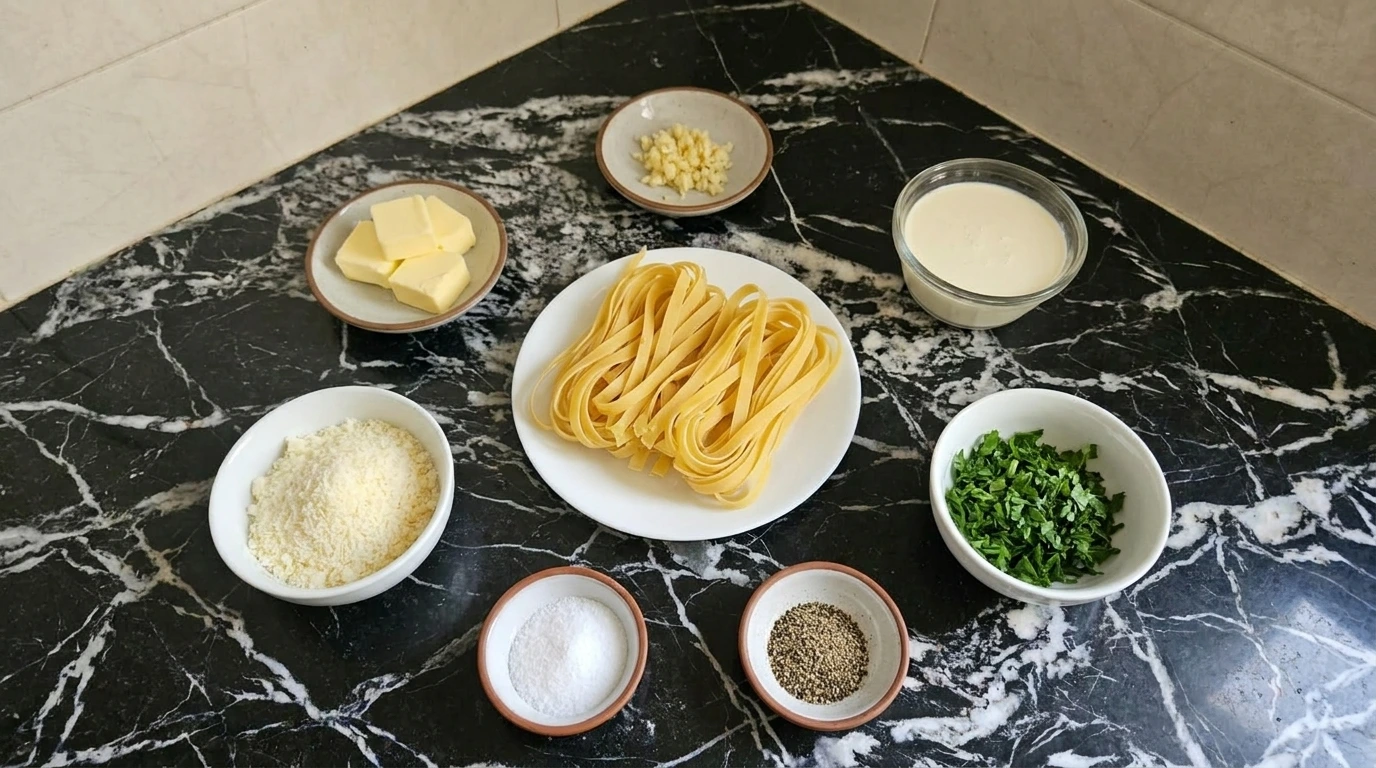
- fettuccine: Wide ribbons that hold onto creamy sauces better than thinner noodles.
- unsalted butter: Gives you control over salt while gently softening the garlic.
- fresh garlic: Finely minced so it blends into the sauce instead of staying chunky.
- heavy cream: Full-fat cream that thickens naturally as it heats.
- freshly grated Parmesan cheese: Grated fresh so it melts smoothly into the sauce without turning grainy.
- kosher salt: Seasons both the pasta water and the sauce evenly.
- freshly ground black pepper: Adds a mild sharpness to balance the cream.
- fresh parsley: Finely chopped for a fresh, bright finish.
Kitchen Equipment
Instructions
Step 1: Boil the fettuccine
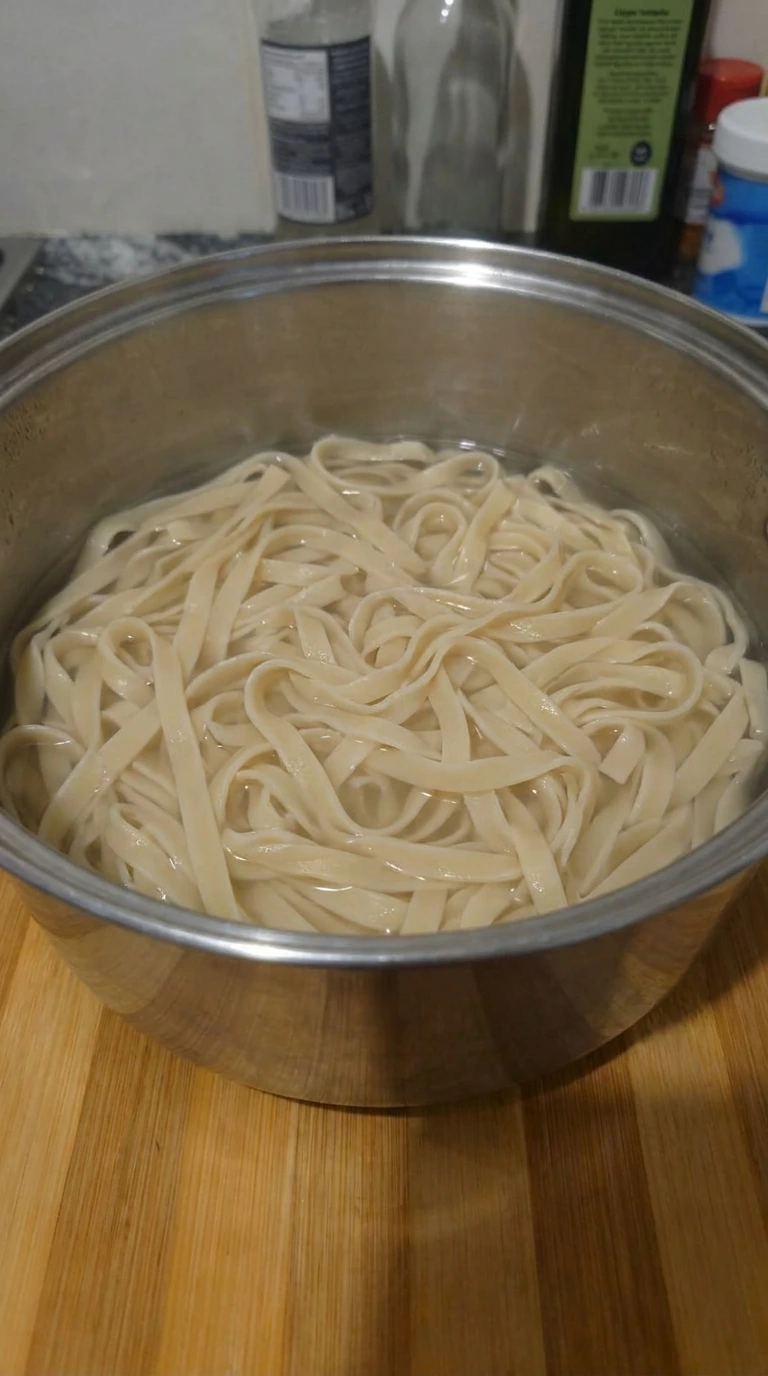
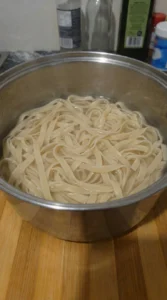
Bring a large pot of water to a full rolling boil at 212°F. Salt it generously, then drop in the fettuccine. Cook for 8 to 10 minutes, stirring with tongs every 60 seconds so the strands don’t stick or clump. Around minute 7, lift a strand and bend it. It should flex easily with a slight bite in the center, and you’ll see the noodles look glossy and fully loosened. Miss this window and they’ll go too soft, which makes the final dish feel heavy. Right before draining, scoop out about 1/2 cup of pasta water. That starchy liquid is key later. Skip it and the sauce won’t cling the same way.
Tip: Salt the water until it tastes like light broth. That’s what seasons the pasta from the inside.
Step 2: Soften the garlic in butter and cream
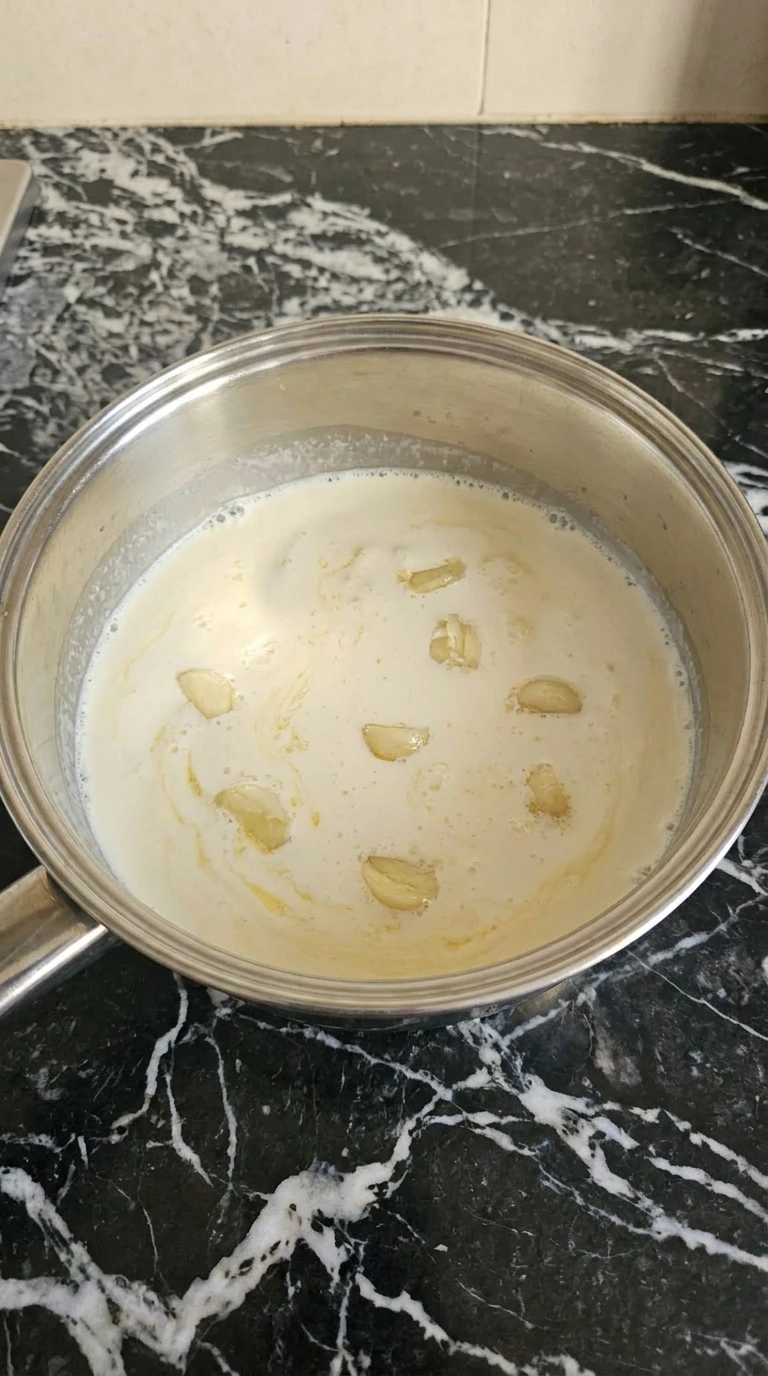
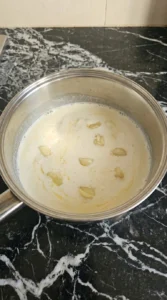
Set a pan over medium-low heat, about 4 on a 10-dial, and melt the butter. Add the minced garlic and stir in small circles for 60 to 90 seconds so it cooks evenly without browning. Pour in the heavy cream and let it warm for 3 to 5 minutes. You’ll see tiny bubbles forming at the edges and smell the garlic turning soft and slightly sweet. If the garlic browns even a little, the whole sauce can taste bitter. (I used to rush this step on higher heat and the garlic always turned sharp. Slowing it down fixes everything.)
Tip: If you hear the garlic sizzling loudly, the heat is too high. Lower it right away.
Step 3: Melt in the parmesan
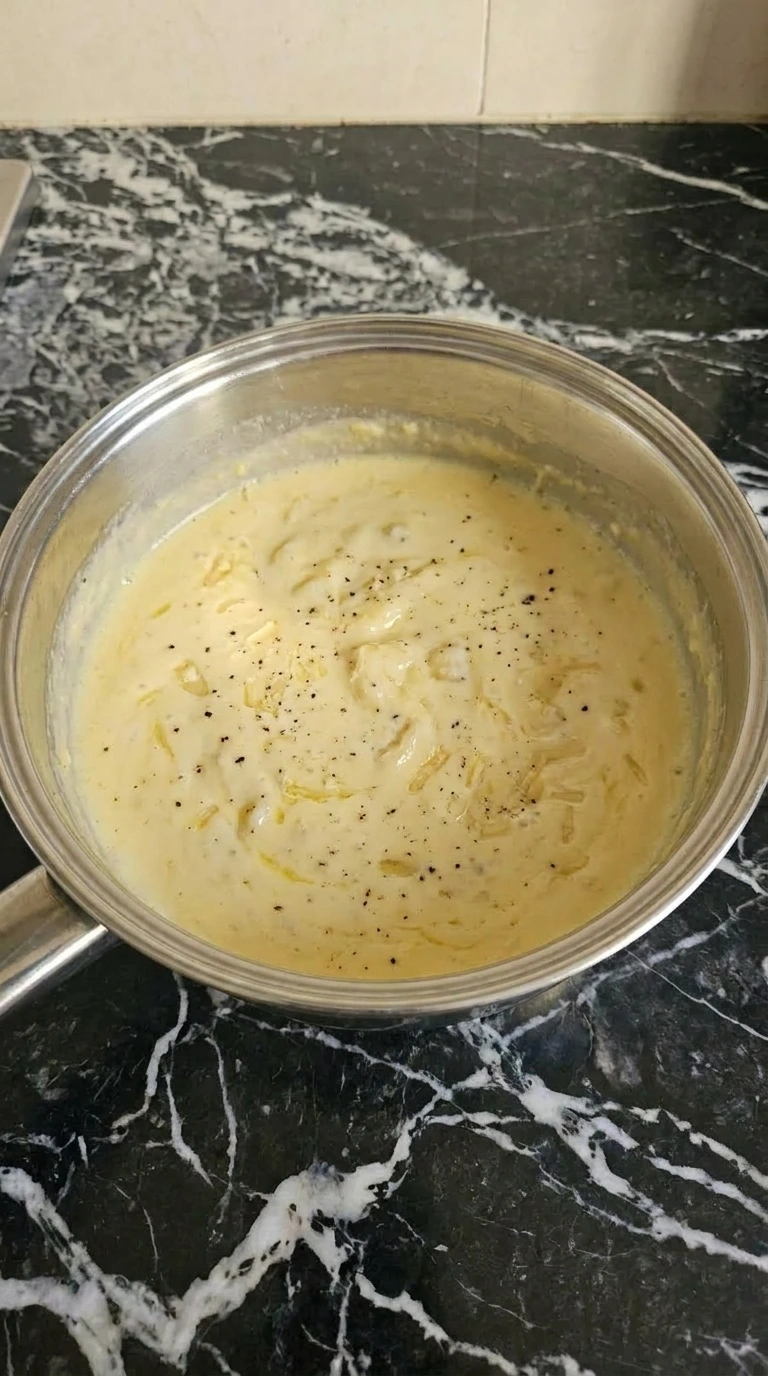
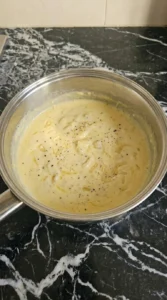
Lower the heat slightly to just under medium-low, around 3 on a 10-dial. Add the parmesan in small handfuls over 2 to 3 minutes, stirring constantly in a figure-eight motion so it melts evenly. Watch the sauce closely. It should thicken enough to coat the back of a spoon and form soft ripples when stirred. You’ll notice it getting slightly heavier and smoother. Dumping the cheese in all at once will make it clump and turn grainy. Season with salt and pepper right after the cheese melts. Miss that moment and the seasoning won’t blend in as evenly.
Tip: If the sauce tightens too fast, take the pan off heat for 20 seconds while stirring.
Step 4: Fold the fettuccine into the sauce
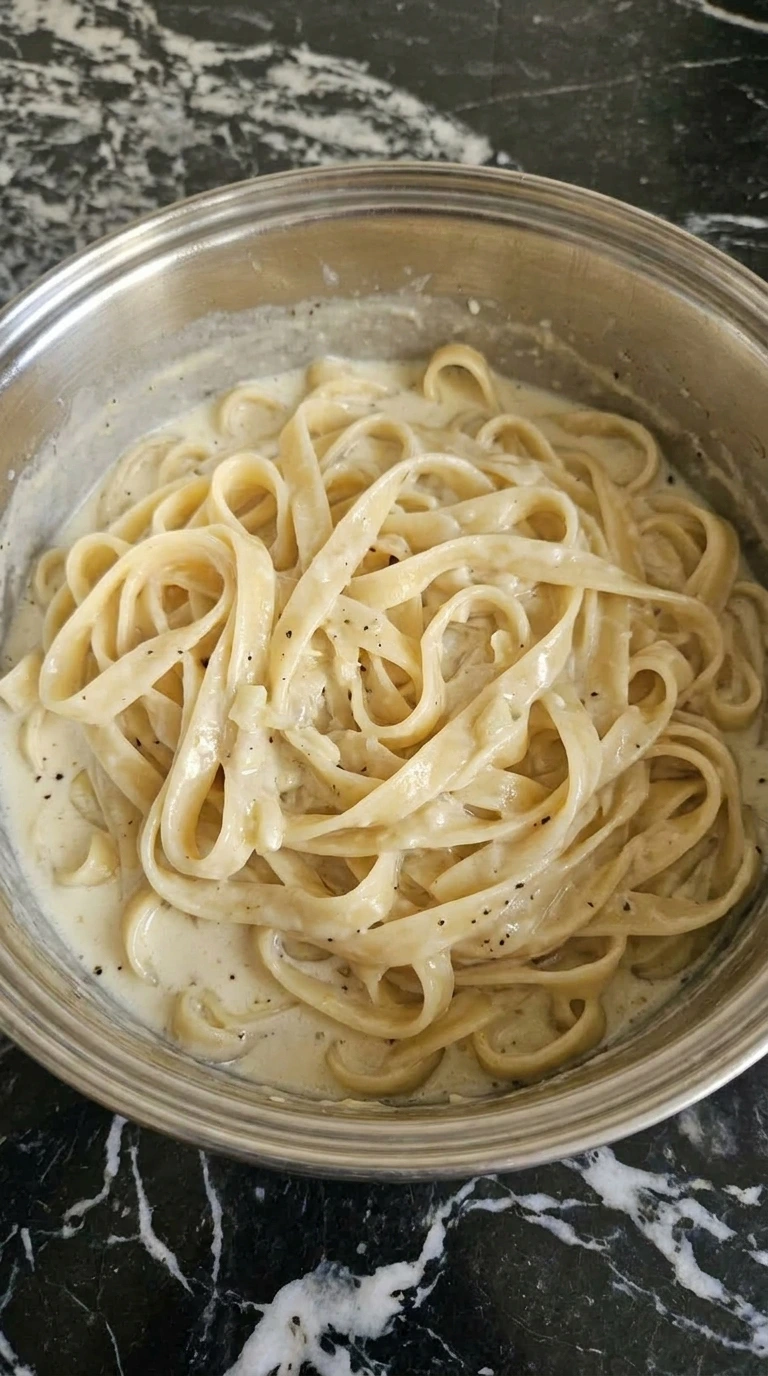
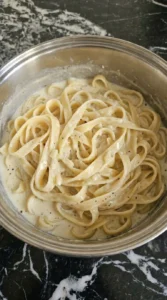
Add the drained fettuccine straight into the sauce while everything is still hot, around 160°F in the pan. Use tongs to fold and lift the noodles in a gentle J-shaped motion for 2 to 3 minutes. At minute 1, swirl the pan once and add a small splash of reserved pasta water if it looks thick. You’ll see the sauce turn glossy and start coating every strand instead of pooling underneath. Miss this and the sauce stays heavy and uneven. (I used to just stir it flat, but lifting and folding makes a huge difference in how the sauce wraps around the pasta.)
Tip: Add pasta water a tablespoon at a time. Too much at once can thin the sauce too far.
Step 5: Plate and finish with parsley
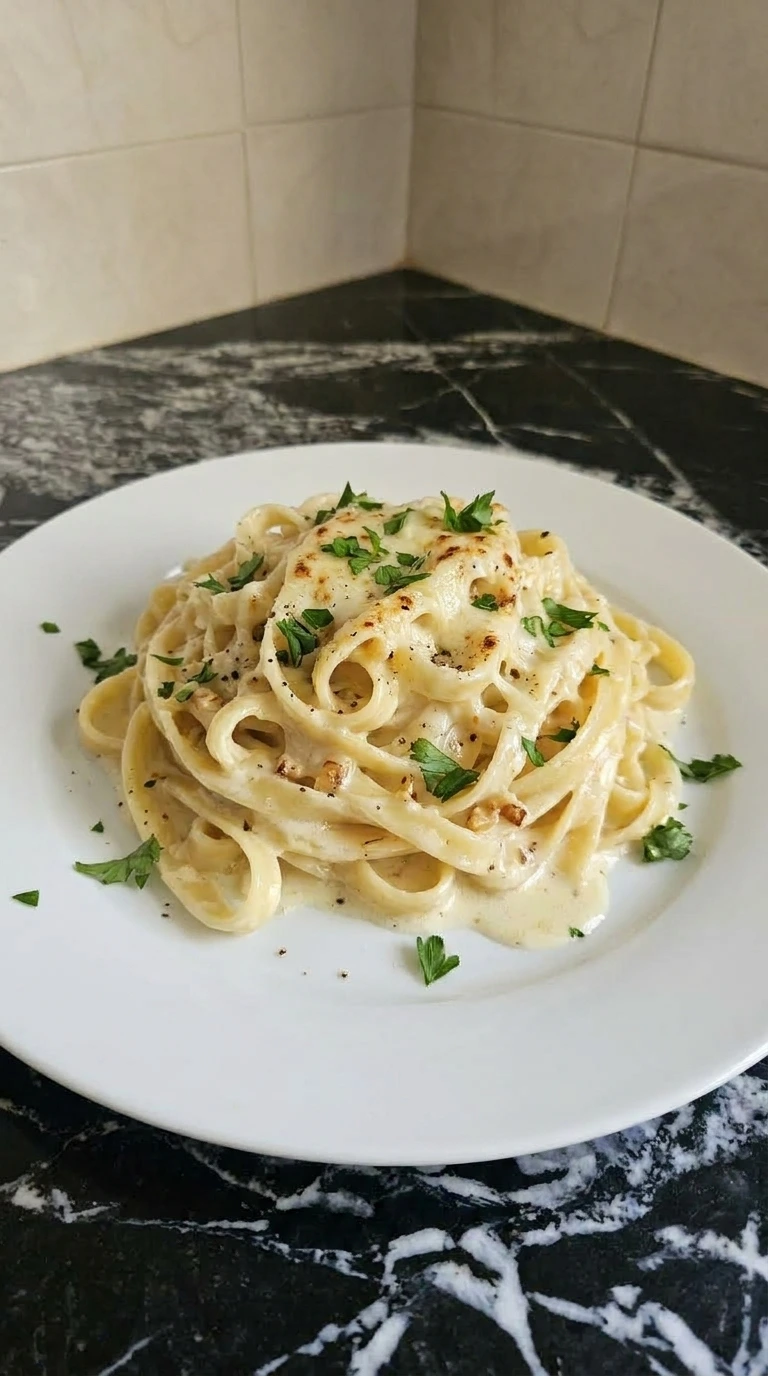
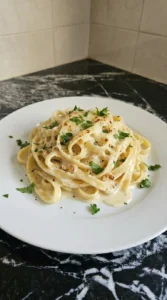
Using tongs, twirl the pasta into loose nests onto a warm plate while it’s still around 140°F. This should take about 1 minute per portion so the noodles stay flexible. Sprinkle parsley and a little extra parmesan right away. The heat will gently melt the cheese and you’ll see a soft sheen form on top. Wait too long and the sauce tightens, losing that silky look. (I used to pile on too much garnish, but keeping it light actually looks better and lets the sauce stand out.)
Tip: Warm plates in a 200°F oven for 5 minutes so the pasta doesn’t cool too fast.
Helpful Tips
- Grate parmesan fresh. Pre-shredded won’t melt the same.
- Always save pasta water. It fixes thick sauce instantly.
- Keep garlic pale and soft, not browned.
- Serve immediately while the sauce is still glossy.
Make It Your Own
- fettuccine: linguine or spaghetti — Still works, but thinner noodles won’t hold the sauce as well.
- heavy cream: half-and-half — Lighter result and thinner sauce. You may need less pasta water.
- Parmesan cheese: Pecorino Romano — Sharper and saltier. Use a bit less to avoid overpowering the sauce.
- butter: olive oil — Works fine, but you lose some richness in the final sauce.
- parsley: basil — Adds a sweeter note. Pairs nicely if you serve it with Healthy Quinoa Salad.
Storing Leftovers
Store leftovers in an airtight container in the fridge for up to 3 days. The sauce will thicken as it sits, so that’s normal. To reheat, warm gently over low heat around 3 on a 10-dial with a splash of milk or water. Stir slowly for 3 to 5 minutes until the sauce loosens. High heat will break the sauce and make it grainy.
Creamy Garlic Parmesan Pasta
Ingredients
- fettuccine
- unsalted butter
- fresh garlic
- heavy cream
- freshly grated Parmesan cheese
- kosher salt
- freshly ground black pepper
- fresh parsley
Instructions
- Bring a large pot of water to a full rolling boil at 212°F. Salt it generously, then drop in the fettuccine. Cook for 8 to 10 minutes, stirring with tongs every 60 seconds so the strands don’t stick or clump. Around minute 7, lift a strand and bend it. It should flex easily with a slight bite in the center, and you’ll see the noodles look glossy and fully loosened. Miss this window and they’ll go too soft, which makes the final dish feel heavy. Right before draining, scoop out about 1/2 cup of pasta water. That starchy liquid is key later. Skip it and the sauce won’t cling the same way.
- Set a pan over medium-low heat, about 4 on a 10-dial, and melt the butter. Add the minced garlic and stir in small circles for 60 to 90 seconds so it cooks evenly without browning. Pour in the heavy cream and let it warm for 3 to 5 minutes. You’ll see tiny bubbles forming at the edges and smell the garlic turning soft and slightly sweet. If the garlic browns even a little, the whole sauce can taste bitter. (I used to rush this step on higher heat and the garlic always turned sharp. Slowing it down fixes everything.)
- Lower the heat slightly to just under medium-low, around 3 on a 10-dial. Add the parmesan in small handfuls over 2 to 3 minutes, stirring constantly in a figure-eight motion so it melts evenly. Watch the sauce closely. It should thicken enough to coat the back of a spoon and form soft ripples when stirred. You’ll notice it getting slightly heavier and smoother. Dumping the cheese in all at once will make it clump and turn grainy. Season with salt and pepper right after the cheese melts. Miss that moment and the seasoning won’t blend in as evenly.
- Add the drained fettuccine straight into the sauce while everything is still hot, around 160°F in the pan. Use tongs to fold and lift the noodles in a gentle J-shaped motion for 2 to 3 minutes. At minute 1, swirl the pan once and add a small splash of reserved pasta water if it looks thick. You’ll see the sauce turn glossy and start coating every strand instead of pooling underneath. Miss this and the sauce stays heavy and uneven. (I used to just stir it flat, but lifting and folding makes a huge difference in how the sauce wraps around the pasta.)
- Using tongs, twirl the pasta into loose nests onto a warm plate while it’s still around 140°F. This should take about 1 minute per portion so the noodles stay flexible. Sprinkle parsley and a little extra parmesan right away. The heat will gently melt the cheese and you’ll see a soft sheen form on top. Wait too long and the sauce tightens, losing that silky look. (I used to pile on too much garnish, but keeping it light actually looks better and lets the sauce stand out.)
Notes
Questions I Get Asked
Yes, linguine or spaghetti both work. But fettuccine really holds onto the sauce better, so each bite feels richer and more coated.
Add reserved pasta water a little at a time while tossing. It loosens the sauce without thinning the flavor.
You can. Cook chicken or shrimp separately and fold it in at the end so the sauce stays smooth and doesn’t break.
It’s best fresh, but you can store it. Reheat slowly with added liquid so the sauce comes back together.
Usually the heat was too high when adding cheese. Keep it low and add parmesan gradually for a smooth result.
You can swap in half-and-half, but the sauce will be thinner and less rich. It still works, just different.
A Final Note
This is the kind of pasta that just works when you need something warm and reliable. Simple steps, but they matter.
If you want something fresh on the side, try this Healthy Quinoa Salad to balance it out.
Parmesan melts smoothly into cream because its low moisture and high fat content let it emulsify without needing any flour.