Ingredients
Method
- Peel 3 large overripe spotty bananas and place them into a large clear glass mixing bowl. Use the tines of a sturdy metal dinner fork to press down firmly with a rocking wrist motion. Smash them thoroughly for about 2 minutes until they turn into a thick, chunky puree. You should see a wet, glossy mixture with plenty of small banana bits remaining rather than a completely smooth liquid. The sweet aroma of ripe fruit will fill the air immediately. Avoid blending them completely because leaving small chunks ensures pockets of moisture throughout the finished loaf. Baking at 350°F requires these moisture pockets so the interior stays soft without turning gummy.

- Pour 0.33 cup of melted coconut oil, 0.5 cup of pure maple syrup, and 2 large eggs directly into the mashed bananas at room temperature. Whisk the mixture vigorously with a large balloon whisk using a circular whipping motion for exactly 60 seconds. (I tried using cold eggs once and they immediately solidified the melted coconut oil into tiny hard clumps, so stick to room temperature ingredients.) The mixture will lighten slightly in color and turn into a uniform, smooth, bubbly liquid emulsion. You will hear a soft splashing sound as air incorporates into the base. Miss this thorough whisking window and the fat will separate from the fruit liquid during baking. Vigorous whisking binds the fats and liquids tightly together so the bread rises evenly.
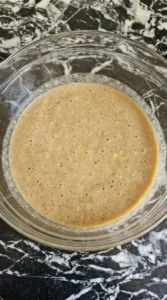
- Add 1.75 cups of gluten-free all-purpose flour, 1 teaspoon of baking soda, 1 teaspoon of ground cinnamon, and 0.5 teaspoon of fine sea salt into the bowl. Switch to a flexible rubber spatula and fold the mixture gently using a J-shaped motion from the bottom of the bowl upward. Mix for about 90 seconds just until the white flour pockets disappear into the brown base. The wet liquid transforms into a thick, tacky, scoopable batter with visible specks of ground cinnamon distributed unevenly throughout. You will notice the sweet cinnamon aroma mixing with the banana scent. Overworking the batter at this stage will deflate the trapped air bubbles and cause a dense loaf. Fold just until combined because a light hand preserves the delicate rise.

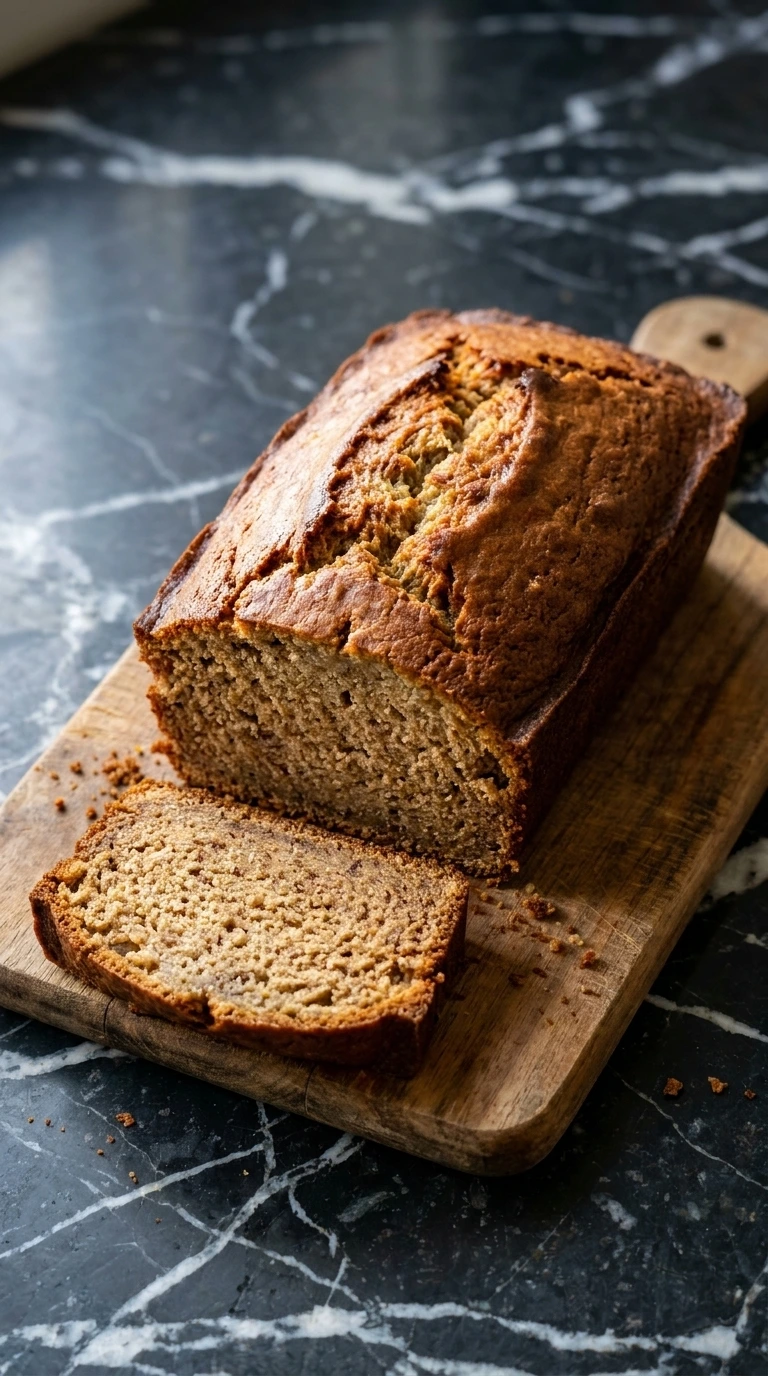
- Line an 8.5x4.5 inch metal loaf pan with parchment paper and scrape the thick batter into it using your spatula. Smooth the top into an uneven rustic layer, then place it on the center rack of a 350°F preheated oven. Bake for exactly 55 to 60 minutes until an inserted toothpick comes out clean. (My first test batch went into a 375°F oven and the top scorched before the center set, so 350°F is absolutely the sweet spot.) The pale wet batter rises significantly and develops a deep golden-brown crusted top with a dramatic jagged crack down the center. The aroma of caramelized sugar and warm cinnamon will fill your entire kitchen. Pull the loaf out too early and the center will collapse into a wet gummy layer as it cools. Bake until a toothpick emerges clean, slow heat cooks the center fully without burning the exterior sugars.

Notes
Store any leftover banana bread in an airtight glass container on your kitchen counter for up to 4 days. Keep the container out of direct sunlight so condensation does not build up inside the lid. If you want to keep it longer, slice the loaf completely and wrap each piece in plastic wrap. Place the wrapped slices into a heavy-duty freezer bag and freeze them for up to 3 months. Reheat individual slices in a toaster oven at 325°F for about 5 minutes until warmed through. You can also microwave a slice for 20 seconds if you are in a rush. Watch out for a sour smell or visible fuzzy spots as these are clear signs of spoilage.