Ingredients
Method
- Set the eggs, sour cream and melted butter at about 70°F. Mash 3 very ripe Cavendish bananas for 60 to 90 seconds. Stop when only pea-sized pieces remain. Then whisk in light brown sugar and granulated sugar for 30 seconds. Add the eggs one at a time and whisk 15 seconds after each. Finish with sour cream and vanilla extract. The mixture should look thick and glossy with tiny banana flecks. You'll smell ripe fruit and vanilla before the sugars fully dissolve. Scrape the sides once at minute 2 so no butter pools remain. Stop after 3 minutes total because extra whisking adds too much air. Even mixing now prevents wet pockets in the baked crumb.

- Keep the wet mixture near 70°F. Sift all-purpose flour, baking soda, baking powder, ground cinnamon and fine sea salt directly over it. Fold with a rubber spatula in slow J-shaped strokes for 45 to 60 seconds. Turn the bowl a quarter turn after every three folds. Stop as soon as the last flour streak disappears. The batter should look thick and slightly lumpy with visible banana flecks. It will fall from the spatula in heavy ribbons after about 20 folds. Don't chase every small lump because another minute develops too much gluten. Overmixing makes the cake tight and bready. Gentle folding keeps the crumb soft and even.
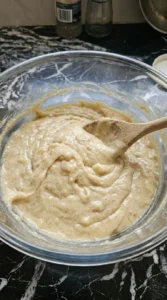
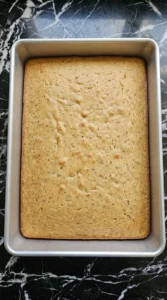
- Brush a 9×13-inch light aluminum cake pan with 1 tablespoon canola oil. Spread the batter into the pan and push it gently into the corners. Level the surface with three broad strokes. Bake in a 350°F oven for 28 to 34 minutes. Rotate the pan 180 degrees at minute 20 if your oven browns unevenly. Don't open the door before minute 24. The top should turn golden tan and spring back near the center. A thermometer inserted there should read 200°F to 205°F. You'll smell toasted banana and cinnamon around minute 27. (I tried 375°F first, the edges dried before the middle set.) Go past 205°F and the crumb loses moisture quickly. Moderate heat sets the center before the edges overbake.
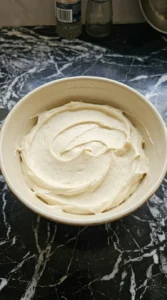
- Cool the cake in its pan for 15 minutes at room temperature. Then continue cooling for 60 to 75 minutes until the center reaches 75°F. Meanwhile beat full-fat cream cheese and unsalted butter at 65°F for 90 seconds. Add powdered sugar in three additions and beat 30 seconds after each. Mix in vanilla extract and fine sea salt. The frosting should turn pale ivory and hold soft curved ridges. Rub a small amount between two fingers after 3 minutes. It should feel smooth without gritty sugar. If the cake stays warmer than 80°F, the frosting slides and melts. If you beat past 5 minutes, the mixture can loosen. Cool cake and controlled mixing keep the frosting thick enough to spread.
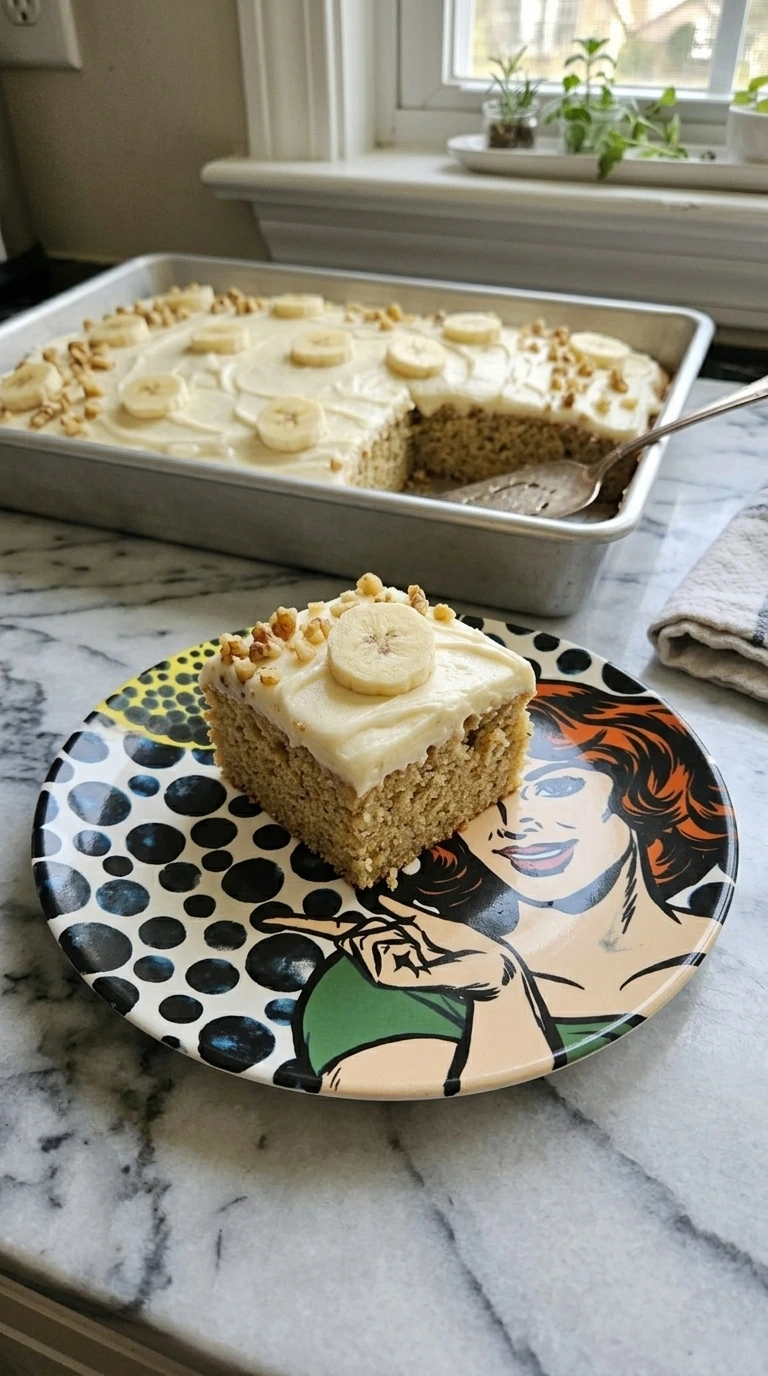
- Keep the cake at 75°F or cooler. Spread the cream cheese frosting from the center outward for 3 to 4 minutes. Leave loose swirls instead of polishing the surface flat. Scatter chopped walnuts unevenly and add 12 thin Cavendish banana slices just before serving. Chill the frosted cake for 20 minutes so the top firms slightly. Cut one square with a thin clean blade and place it on a white dessert plate. The crumb should look moist and golden tan with tiny dark banana flecks. The frosting should stay creamy and leave a clean edge. Skip the brief chill and the topping smears across each cut. Add banana slices too early and they'll brown. A short chill gives the frosting enough structure for neat slices.

Notes
Store frosted Banana Cake in a shallow airtight container in the refrigerator for up to 4 days. Place parchment between stacked slices so the frosting doesn't stick. For freezing, chill individual squares for 45 minutes and wrap them twice. Keep the wrapped pieces in a rigid freezer container for up to 2 months. Freeze without fresh banana coins because they turn watery after thawing. For frosted slices, skip reheating and let them stand at room temperature for 20 to 30 minutes. Warm unfrosted slices at 300°F for 6 to 8 minutes and cool them 10 minutes before adding fresh frosting. Discard cake with a sour fermented smell, watery frosting or visible mold. Dry edges alone aren't spoilage, but they signal the container wasn't sealed tightly.