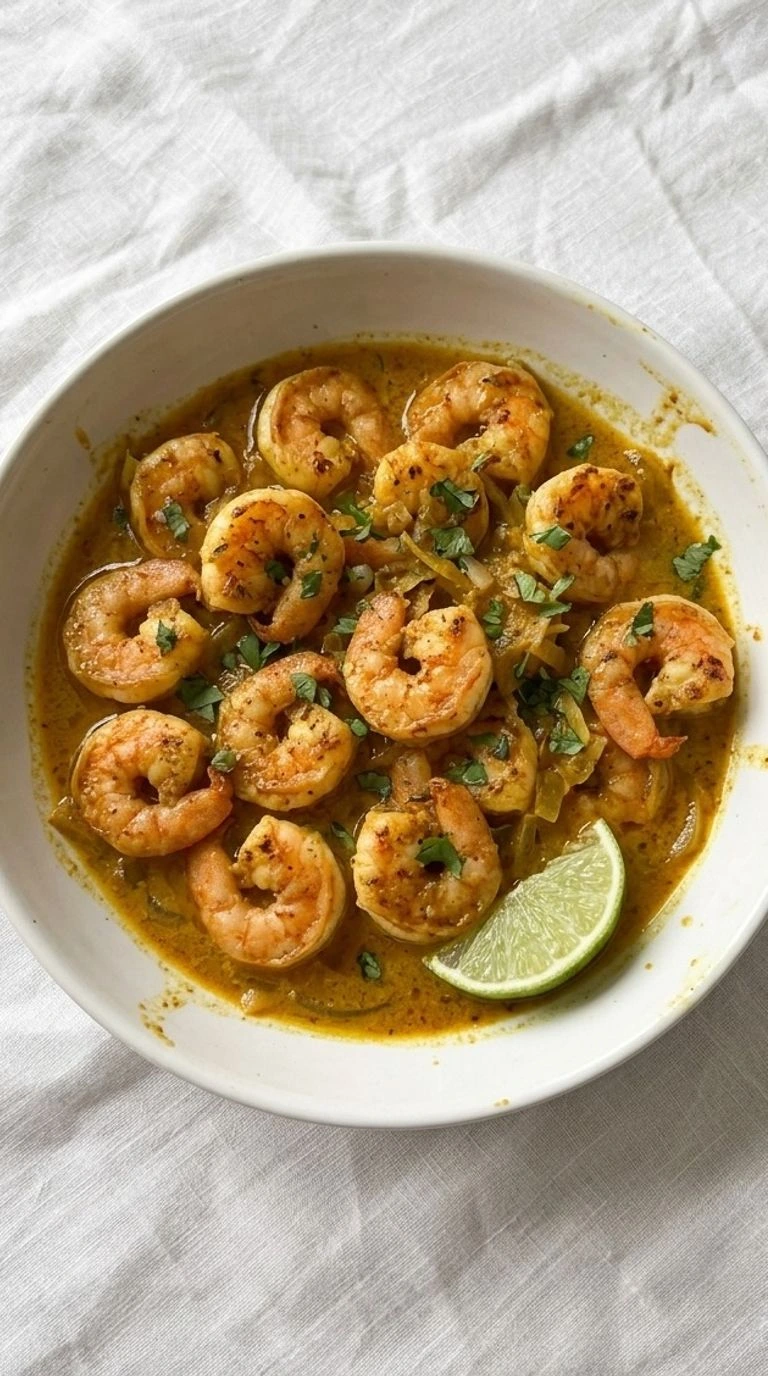
Ingredients
Method
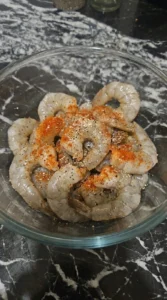
- Pat 1 pound of peeled and deveined medium-large shrimp dry, then toss them with 1/2 teaspoon salt, 1/4 teaspoon black pepper and 1/2 teaspoon paprika in a mixing bowl. Use clean hands or a spoon to turn each shrimp until the seasoning forms a thin, even coat. Let them stand for 5 minutes at room temperature while you mince 3 garlic cloves, grate 1 teaspoon fresh ginger and finely dice 1 medium yellow onion. Keep the shrimp in a single loose layer rather than pressing them into a pile. The shrimp should look lightly speckled with red paprika and black pepper, not wet with pooled liquid. Don't leave them out longer than 15 minutes.
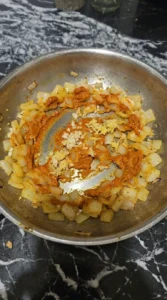
- Set a large skillet over medium heat, about 350°F at the cooking surface, and add 1 tablespoon olive oil. Stir in the diced yellow onion and cook for 4 to 5 minutes, moving the pieces across the pan with a wooden spoon until they soften and turn translucent at the edges. Add the minced garlic and grated ginger, then stir for 30 to 45 seconds. Fold in 2 tablespoons tomato paste, 2 teaspoons curry powder and 1/2 teaspoon ground cumin, scraping the pan as the mixture turns a deeper orange-red. Keep the heat steady and stir often because garlic can burn in under a minute. You'll smell the garlic and ginger first, followed by a warm curry aroma. The onion should be soft, not browned or crisp.
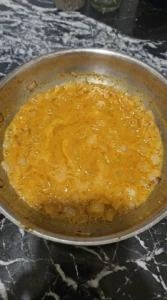
- Pour in 1 can (13.5 ounces) full-fat coconut milk and 1/2 cup low-sodium chicken broth, then stir slowly to loosen the orange-red paste from the skillet. Add 1/2 teaspoon salt if needed and keep the sauce at a gentle simmer over medium-low heat, around 200°F to 205°F, for 6 to 8 minutes. Stir every minute and scrape along the edges so the coconut milk blends evenly without catching on the bottom. The sauce should reduce slightly and coat the back of a spoon while still flowing easily. (I tried boiling it hard once, and the sauce reduced too fast before the curry flavor had time to mellow.) Look for small bubbles around the edge rather than a rolling boil. If the sauce thickens too much, stir in 1 tablespoon broth at a time.
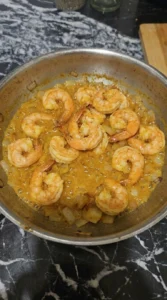
- Add the seasoned shrimp to the simmering sauce and spread them into a loose single layer, turning each piece once with tongs after 2 minutes. Keep the skillet over medium-low heat, around 200°F to 205°F, and cook for another 2 to 3 minutes until the shrimp are opaque and pearly through the thickest part. For food safety, check that the center reaches 145°F. Stir gently so the sauce coats the shrimp without breaking their curved shape. Avoid a hard boil because intense heat can tighten the shrimp and make their texture rubbery. The gray translucence should disappear and the shrimp should turn coral-pink with lightly curled edges. Pull the pan off the heat as soon as they reach 145°F.
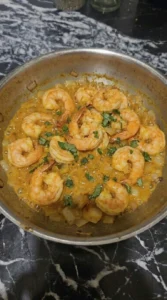
- Remove the skillet from the heat and stir in 1 tablespoon fresh lime juice. Fold in 2 tablespoons chopped fresh cilantro, saving a pinch for the plate, and turn the shrimp gently so the bright green herbs spread through the golden-orange sauce. Let the pan rest for 1 minute before serving. Don't return it to a hard boil after adding the lime because prolonged heat can dull its fresh flavor and tighten the shrimp further. The finished sauce should cling to the shrimp while still pooling between them. A fresh lime scent and scattered green cilantro leaves signal that it's ready to serve.
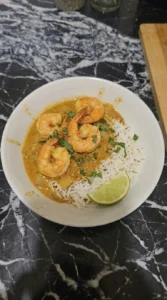
- Spoon 3 cups of hot cooked long-grain white rice into four shallow serving bowls, then divide the coconut curry shrimp and sauce evenly over the rice. Keep the shrimp loosely arranged rather than stacking them tightly, and let some golden sauce run between the grains. Add the reserved chopped cilantro and cut 1 fresh lime into wedges, placing one wedge beside each portion. Serve while the sauce is warm, within 5 minutes of plating, so the rice absorbs some curry without becoming soggy. Each bowl should show coral-pink shrimp, golden sauce, white rice and green herbs in uneven layers. Keep extra sauce available for anyone who wants more.
Notes
Transfer leftover Coconut Curry Shrimp to a shallow airtight container and refrigerate within 2 hours of cooking. Keep it chilled for up to 3 days, or freeze portions for up to 2 months in freezer-safe containers with as little empty space as possible. For the best texture, store the rice separately and thaw frozen portions overnight in the refrigerator. Reheat the curry in a saucepan over low heat for 5 to 8 minutes, stirring gently and adding 1 to 2 tablespoons broth if the sauce has thickened. Bring the center to 165°F when reheating leftovers, but avoid prolonged boiling because the shrimp can turn rubbery. Discard leftovers with mold, an unusual odor or a slimy texture.