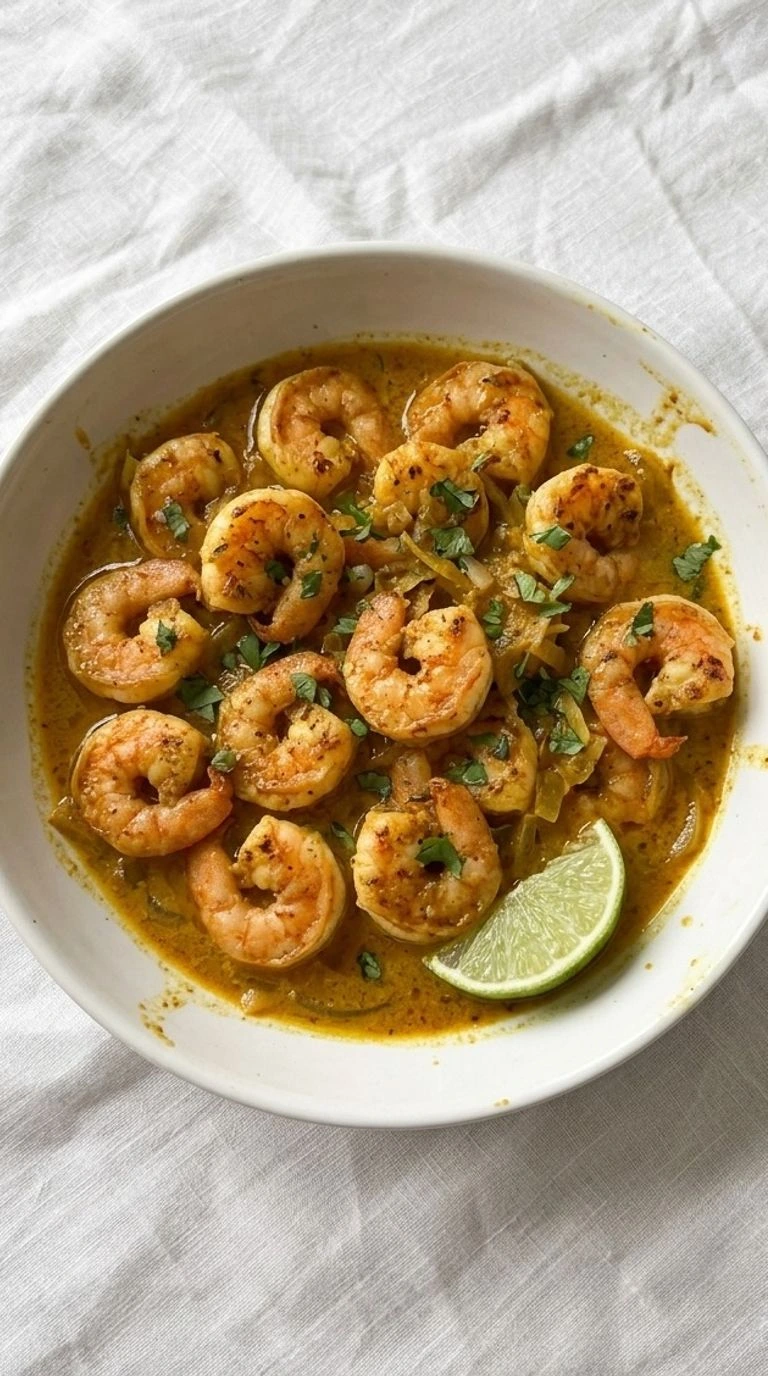
Sweet and Sour Pork
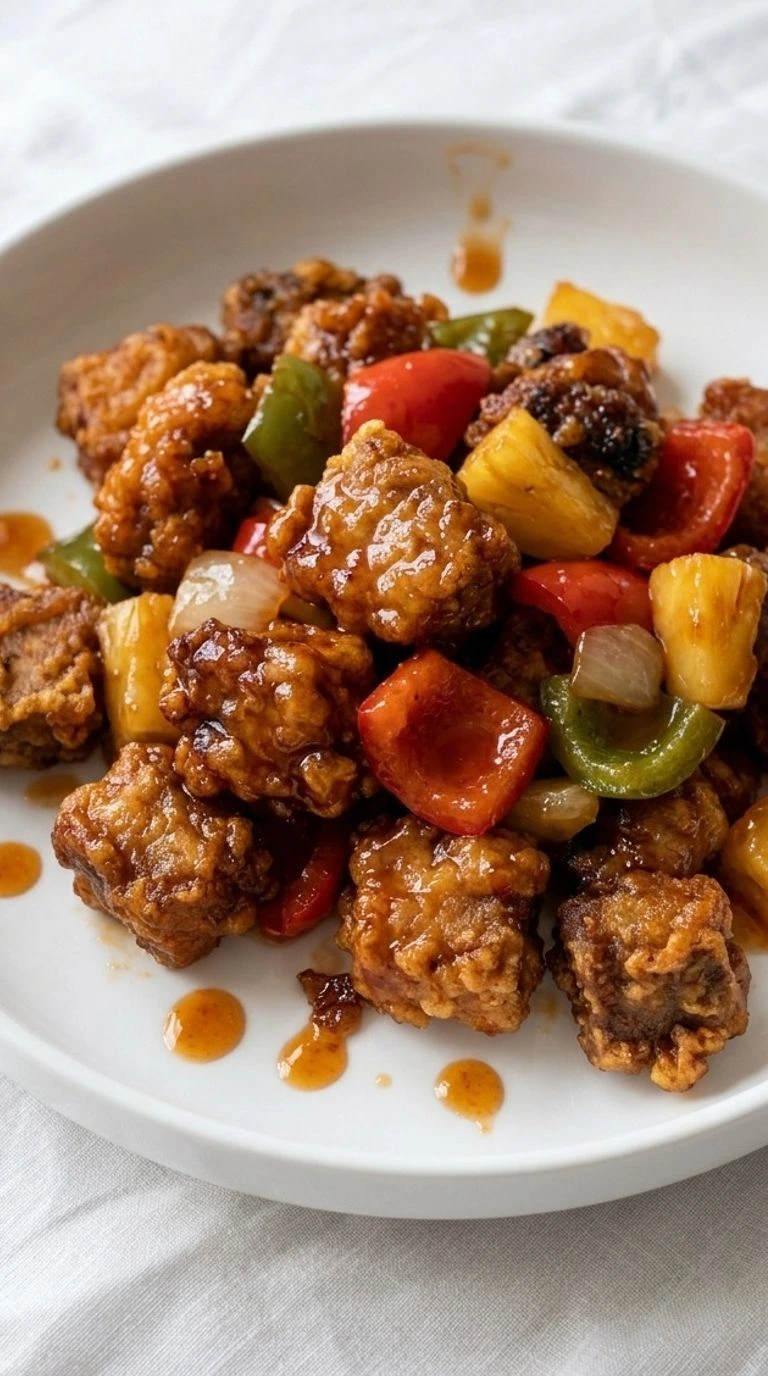
The first bite had me grinning! When my family tasted this Sweet and Sour Pork, they couldn’t believe it came from our own kitchen. And I have to say, it’s become one of my favorite dinners to make when everyone wants something different from the usual chicken or pasta. A little weekend cooking experiment turned into crispy golden pork with a sticky sauce that tastes just like the takeout we all love. Maybe better. The pork has a light crunch and the pineapple adds juicy bursts of sweetness.
I’ve always loved dishes that mix sweet flavors with a little tang, but I used to think getting that restaurant-style coating at home would be a huge project. Turns out it’s not! This easy sweet and sour pork uses cornstarch to make the pork crisp and a quick sauce made with pineapple juice and rice vinegar. And the best part? You don’t need a long list of hard-to-find ingredients. If you like dinners with a sweet twist, you’ll probably enjoy my Apple Butter Pork Chops too.
They’re another family favorite when I’ve got pork in the fridge. I usually make this crispy pork dish for dinner with a big bowl of rice because the sauce is too good to leave behind. It’s also a fun meal to make when friends come over since everyone can help themselves. The recipe serves four, but if you’ve got a bigger family or want leftovers for lunch the next day, you can double the batch. Just keep the pork and sauce apart until you’re ready to eat. That little trick makes such a difference!
Why This Recipe Works
The trick to Sweet and Sour Pork is coating the meat with cornstarch and frying it at 350°F. This gives the pork a crisp shell while keeping the inside juicy, and adding it to the sauce at the end stops that crust from turning soft.
Rice vinegar cuts through the sweet pineapple juice while a small spoonful of cornstarch makes the sauce cling to each bite. And if you like how fruit pairs with savory pork, try my Apple Butter Pork Chops for another dinner with a sweet twist.
Ingredients
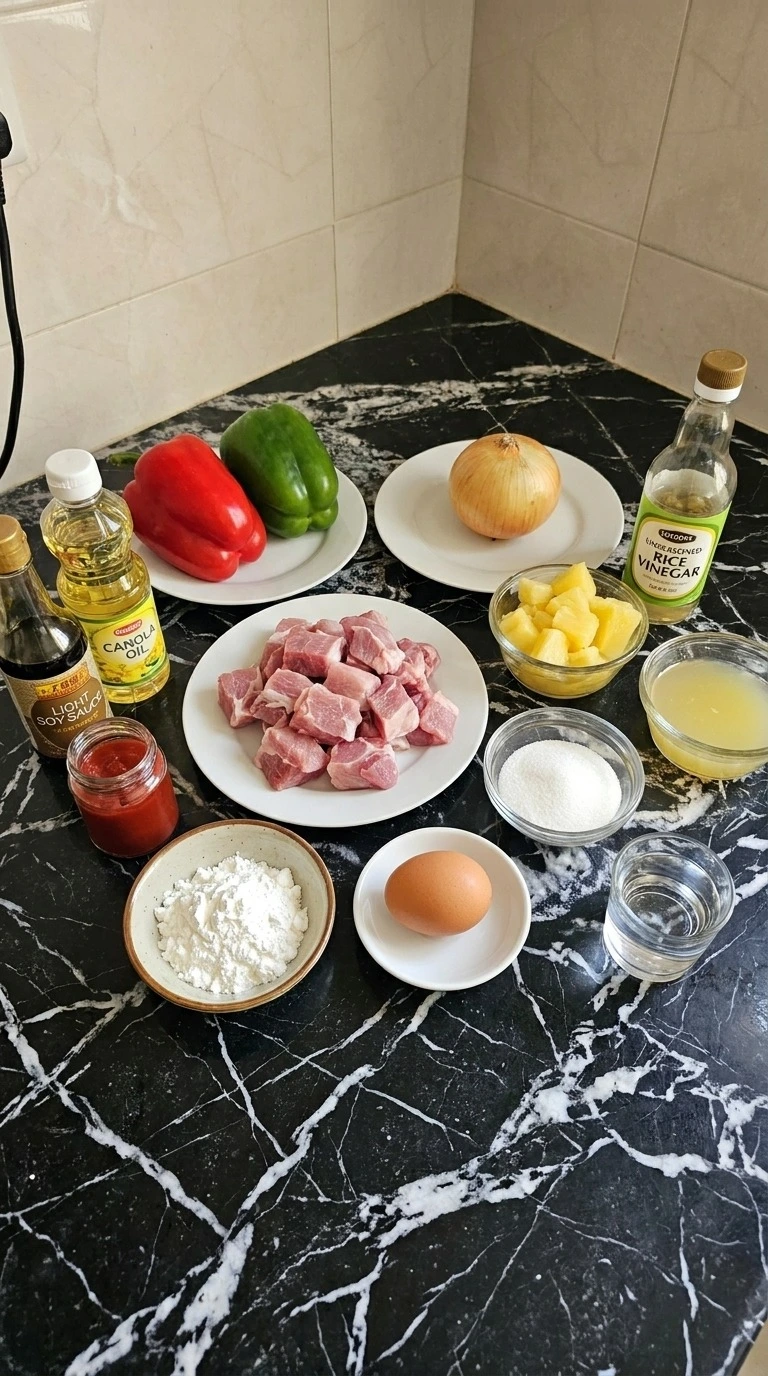
- Boneless pork shoulder: Trimmed of excess outer fat and cut into roughly 3/4-inch cubes for juicy pieces with crisp edges.
- Large egg: Beaten with light soy sauce to help the cornstarch coating stick to the pork.
- Light soy sauce: Use 1 tablespoon for the pork coating and 1 tablespoon for the sauce to add savory depth.
- Cornstarch: Use 12 tablespoons or 3/4 cup for coating the pork and 1 tablespoon for thickening the sauce.
- Canola oil: Use 3 cups for frying the pork and reserve 1 tablespoon of clean oil for stir-frying the vegetables.
- Red bell pepper: Remove the seeds and cut into 1-inch squares for sweet flavor and bright red color.
- Green bell pepper: Remove the seeds and cut into 1-inch squares for a firmer bite and a slightly grassy flavor.
- Yellow onion: Peel and cut into thick petals that soften while keeping some texture.
- Pineapple chunks in juice: Drain canned pineapple chunks and reserve 1/2 cup of the unsweetened packing juice for the sauce.
- Tomato ketchup: Adds body and a mild tomato sweetness that gives the sauce its reddish-orange color.
- Unseasoned rice vinegar: Adds the bright tang that keeps the pineapple and sugar from making the sauce too sweet.
- White granulated sugar: Dissolves into the sauce to round out the vinegar and create a shiny glaze.
- Cold water: Mix with the tablespoon of cornstarch reserved for the sauce to make a smooth thickening slurry.
Kitchen Equipment
- Large mixing bowl: A 3-quart mixing bowl gives the pork enough room for an even egg and soy sauce coating, while a smaller bowl makes the pieces difficult to turn without spilling.
- Shallow coating dish: A 9-inch shallow dish lets you press the pork into cornstarch evenly, while a deep narrow bowl traps clumps of starch between the pieces.
- Heavy-bottomed pot: A deep 5-quart heavy-bottomed pot holds the frying oil with ample space above it, while a shallow pan raises the risk of spills and uneven heating.
- Large wok: A 12 to 14-inch wok gives the vegetables room to soften without steaming, but a wide 12-inch skillet works if you stir the ingredients often.
- Digital kitchen thermometer: A thermometer rated for frying temperatures helps keep the oil near 350°F, and an instant-read probe checks that the thickest pork cube reaches at least 145°F.
- Wire cooling rack: A rack at least 10 inches wide lets excess oil drain from the pork while air reaches the crust, unlike a flat plate that traps moisture underneath.
- Slotted spoon or spider strainer: A long-handled heat-safe strainer lifts pork pieces from hot oil while letting the oil drain, and a short plastic spoon can melt or bring hands too close to the oil.
- Measuring cups and spoons: A standard measuring set keeps the vinegar, sugar and pineapple juice in proportion, while rough guesses can leave the sauce too sour or too thin.
How to Make It
Step 1: Cut the pork and coat it with cornstarch
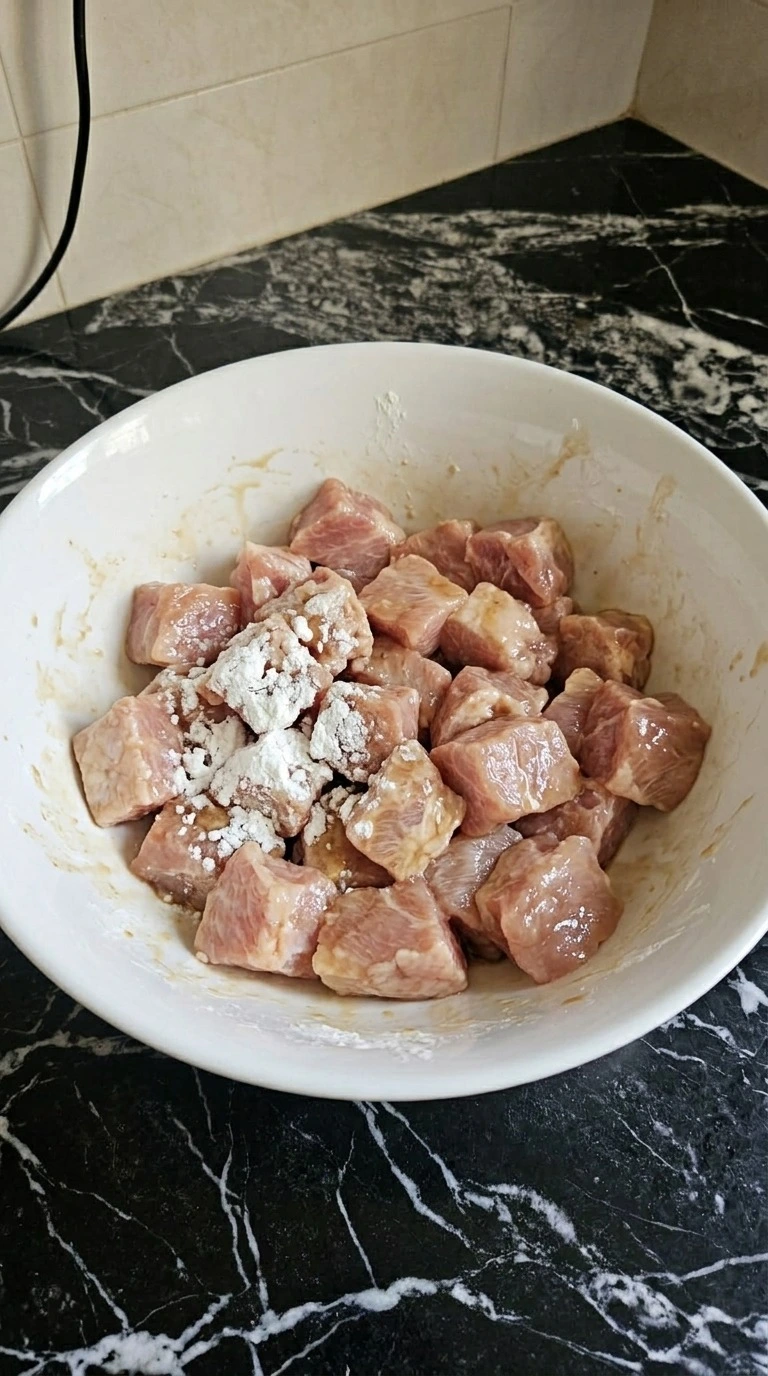
Start by cutting 1 pound of boneless pork shoulder into roughly 3/4-inch cubes. Try to keep the pieces close in size so they’ll cook at the same rate. Then cut the red bell pepper and green bell pepper into 1-inch squares and slice the yellow onion into thick petals. Set the vegetables aside.
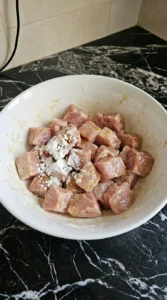
In a large bowl, beat 1 large egg with 1 tablespoon of light soy sauce. Add the pork and turn each piece through the mix. Let it sit for 10 minutes in the fridge at 40°F or below. Next, press the pork into 3/4 cup of cornstarch until each cube has a thin white coat.
The meat should look pale and lightly dusted with no thick clumps of dry starch. Don’t leave it sitting after coating because the starch will soak up moisture and turn gummy. A thin coat grips the pork because the egg helps the starch stick.
Tip: Use a separate shallow dish for the cornstarch so you can press each pork cube into the coating without making a thick paste.
Step 2: Fry the pork until golden and crisp
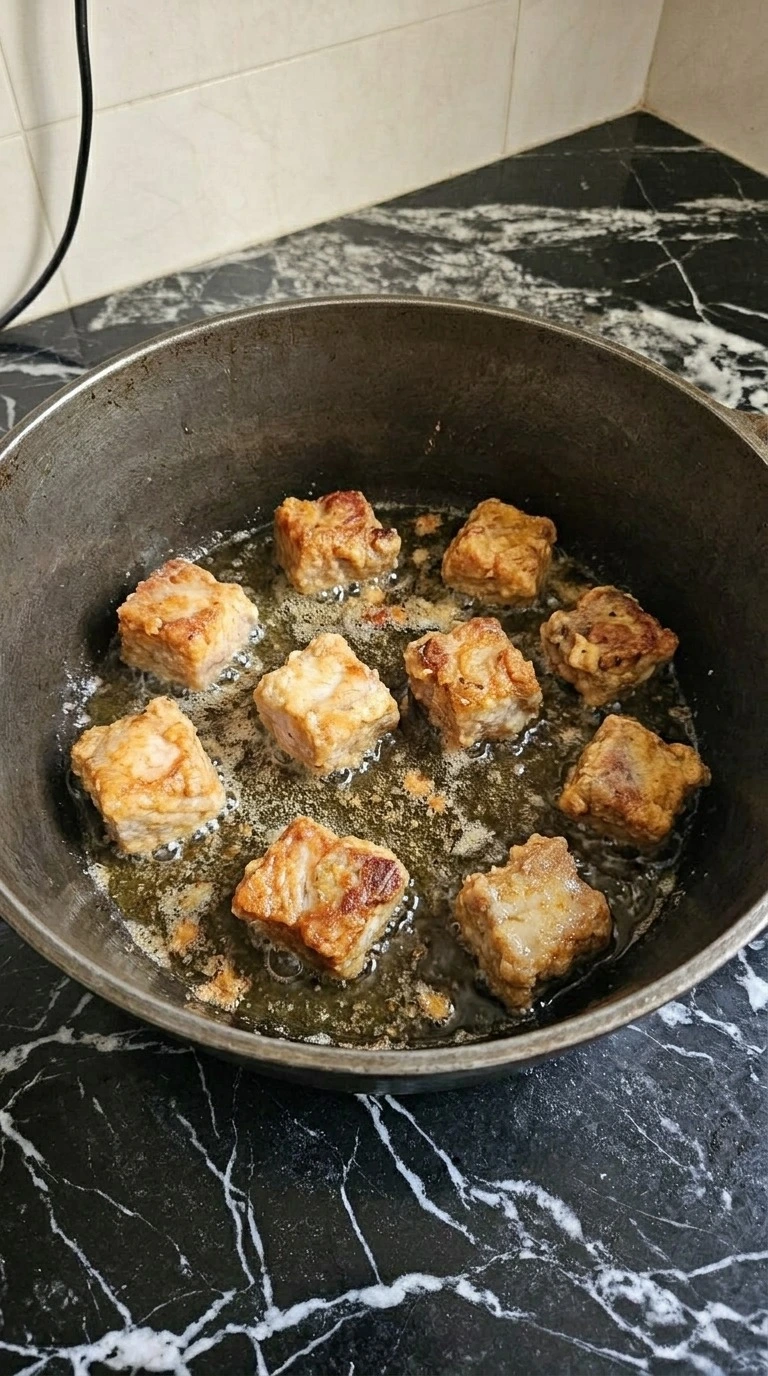
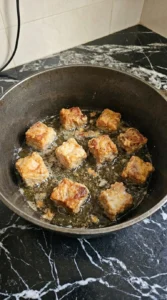
Pour 3 cups of canola oil into a deep heavy-bottomed pot and heat it to 350°F. The oil should stay well below the rim. Lower the coated pork into the oil in three small batches and keep the pieces apart as they fry. Cook each batch for 4 to 5 minutes while turning the cubes gently halfway through.
Keep the oil between 340°F and 350°F. Lift the pork onto a wire rack and check that a thick piece has reached at least 145°F inside. Let the pork rest for 3 minutes before serving. (I found that crowding the pot made the crust turn soft instead of crisp.
) You’ll see the coating change from chalky white to golden amber with little rough edges. The bubbling should slow as the crust sets. If the oil falls too low, the coating turns greasy. Steady heat dries the crust before the pork loses its moisture.
Tip: Keep a thermometer clipped to the pot and allow the oil to return to 350°F between batches for more even color.
Step 3: Stir-fry the bell peppers and pineapple
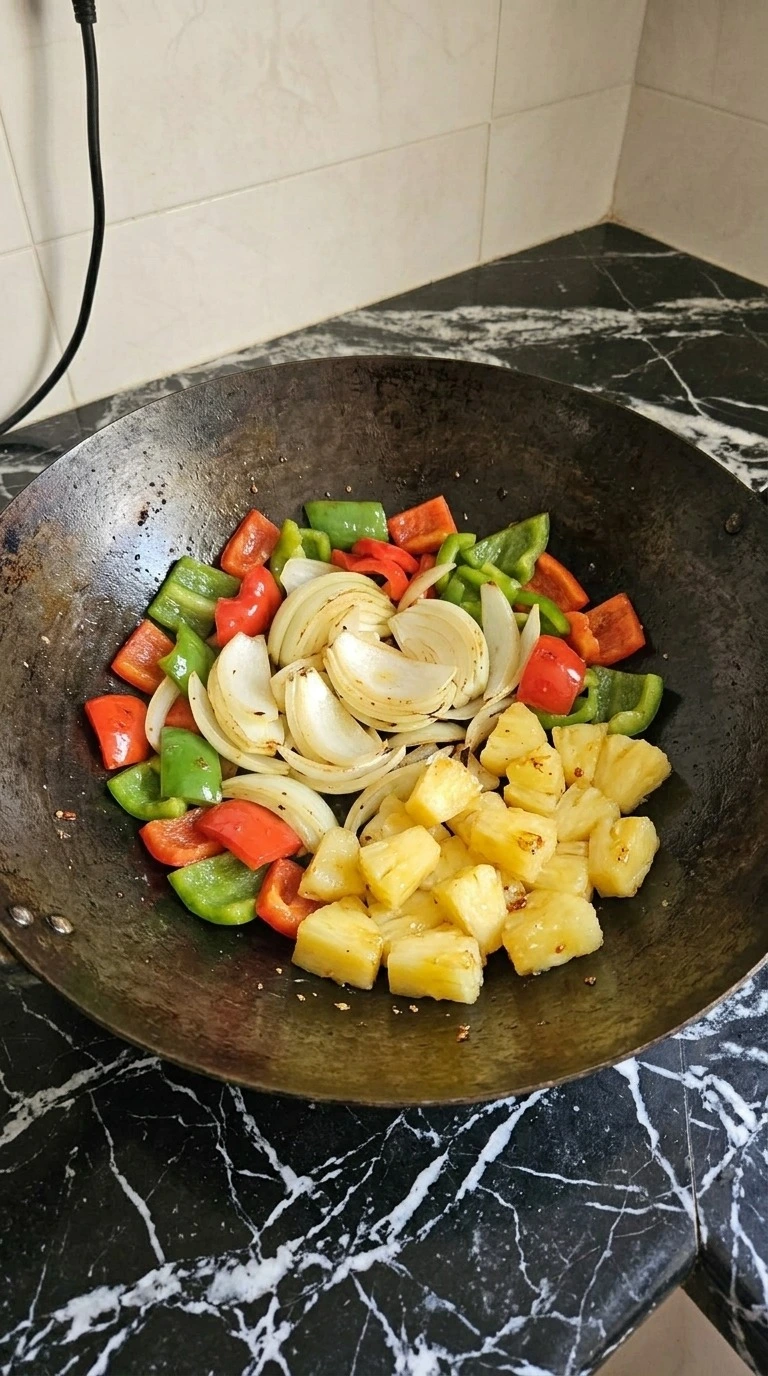
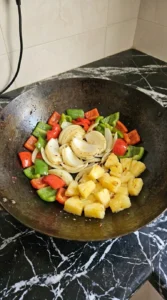
Next, heat a large wok over medium-high heat (about 7 on a 10-dial) for 1 minute. Add 1 tablespoon of canola oil from the measured frying oil before it’s used for frying, or use clean oil reserved from the same amount. Add the red bell pepper squares and green bell pepper squares along with the yellow onion petals. Stir-fry for 2 to 3 minutes.
Keep everything moving by lifting and folding the vegetables toward the center every 20 seconds. Then add 1 cup of drained pineapple chunks and toss for another 60 seconds. Don’t let the vegetables sit without moving because the edges can burn before the centers soften. The peppers should look brighter and slightly glossy while their edges remain firm.
You’ll smell the pineapple warm up as a few sides take on light golden spots. Short heat keeps the vegetables crisp instead of limp.
Tip: Drain canned pineapple through a strainer and save 1/2 cup of its juice for the sauce so the fruit won’t water down the hot vegetables.
Step 4: Simmer the sauce until thick and glossy
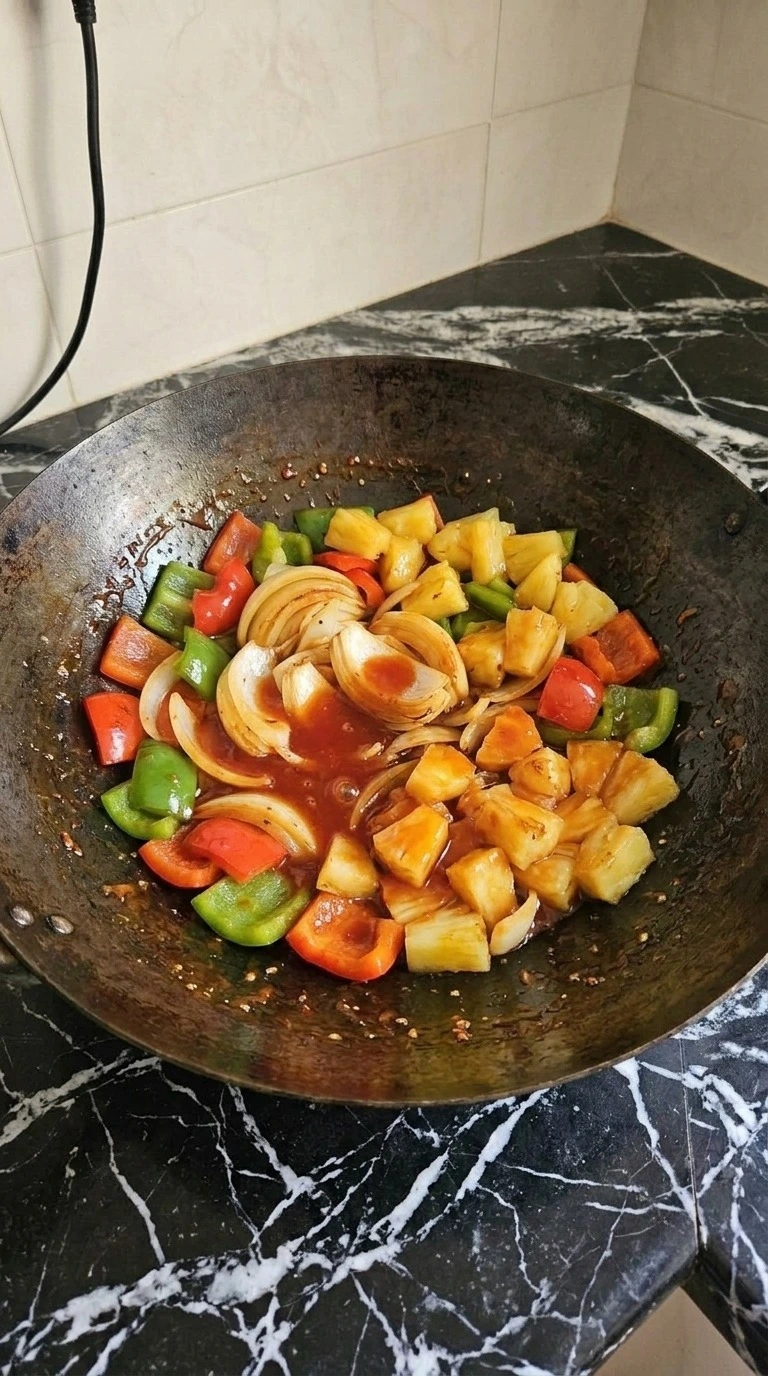
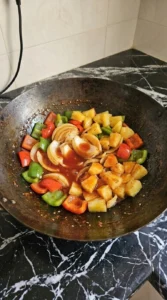
Turn the wok to medium heat (about 5 on a 10-dial). In a small bowl, mix 1/3 cup of tomato ketchup with 1/4 cup of rice vinegar and 3 tablespoons of white granulated sugar. Add 1 tablespoon of light soy sauce and 1/2 cup of reserved pineapple juice. Pour this mix over the vegetables and fold it through for 2 minutes.
In another small bowl, stir 1 tablespoon of cornstarch into 2 tablespoons of cold water until smooth. Pour the slurry into the bubbling sauce while stirring in circles. Simmer for 2 to 3 minutes until the sauce turns thick and shiny. The sauce should cling to the peppers and leave a clear trail when you drag a spoon through it.
It should bubble slowly rather than boil hard. Too much heat can scorch the sugar. Gentle simmering lets the starch thicken the liquid.
Tip: Taste the sauce before the pork goes in and add 1 teaspoon of rice vinegar if your pineapple juice tastes very sweet.
Step 5: Toss the crispy pork in sauce and serve
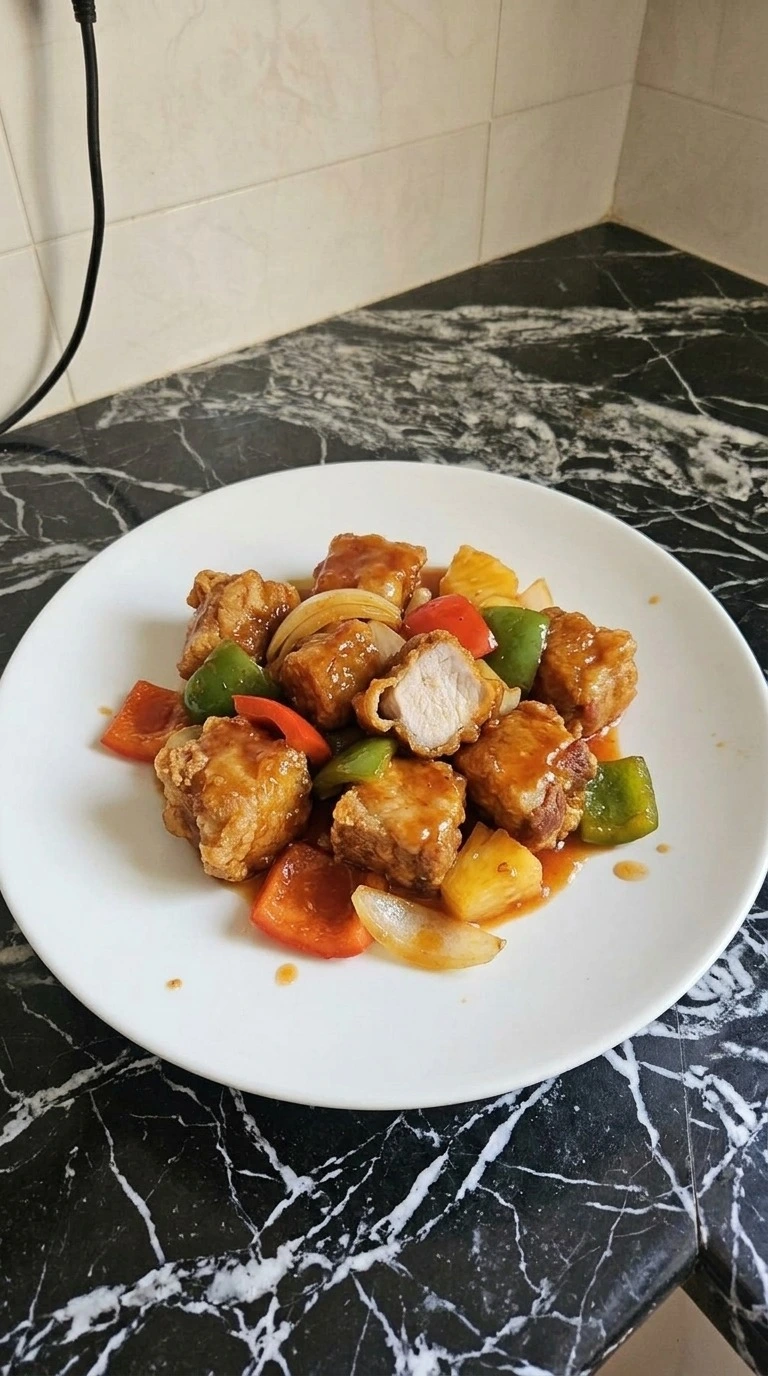
Finally, turn the heat down to low (about 2 on a 10-dial). Add all the golden fried pork cubes to the wok and fold them through the sauce with a broad lifting motion. Work for just 30 to 45 seconds so every piece gets a light coat. Don’t stir hard because you’ll knock off the crisp crust.
Turn off the heat and move the pork with the peppers and pineapple onto a large white serving plate. Spoon the remaining sauce over the vegetables while leaving a few pork edges exposed. Serve within 2 minutes while the coating still has some crunch. You’ll see a shiny reddish-orange glaze on the golden crust and bright peppers tucked between the pork pieces.
The sauce should cling rather than pool heavily. Leaving the pork in the wok too long makes it soggy. A quick toss protects the crisp coating.
Tip: Warm the serving plate to about 120°F with hot water and dry it well before plating so the meal stays warm longer.
Pro Tips
- Choose pork shoulder with thin streaks of fat rather than large fatty patches. The marbling helps those 3/4-inch cubes stay juicy during frying.
- Keep the frying oil near 350°F and cook in three small batches. Crowding drops the temperature and makes the cornstarch crust soak up more oil.
- Use a heavy-bottomed pot with at least 3 inches of space above the oil. Check the temperature between batches because thin pots heat unevenly.
- Measure all five sauce ingredients before frying the pork. Once the vegetables reach the wok, you’ll need only a few minutes to finish the sauce.
- Don’t let the sauce boil hard after adding the cornstarch slurry. Keep it at a gentle simmer for 2 to 3 minutes until it coats a spoon.
- For Sweet and Sour Pork with a brighter tang, stir 1 teaspoon of extra rice vinegar into the finished sauce before adding the crispy pork.
- Drain fried pork on a wire rack for 3 minutes instead of stacking it on paper towels. Air can reach the underside so the crust stays firmer.
- Serve the pork within 2 minutes of tossing it with sauce. If dinner gets delayed, keep the fried cubes separate until everyone is seated.
- For a spicy version, add 1 teaspoon of chili garlic sauce to the sweet and sour sauce and reduce the sugar by 1 teaspoon if you prefer more heat than sweetness.
- Make a colorful vegetable-heavy version by adding 1 cup of broccoli florets and 1/2 cup of sliced carrots, then stir-fry for an extra 2 minutes before adding the pineapple.
- For a lighter pan-fried version, use 2 tablespoons of canola oil in a nonstick skillet and cook the pork in small batches for 4 to 6 minutes per side until golden and 145°F inside, then rest it for 3 minutes. The crust won’t be as crisp as deep-fried pork.
- For a citrus twist, replace 1/4 cup of the pineapple juice with freshly squeezed orange juice and add 1 teaspoon of finely grated orange zest to the sauce.
Substitutions & Variations
- Boneless pork shoulder: Use 1 pound of boneless pork tenderloin cut into 3/4-inch cubes. Tenderloin is leaner and needs less time in the oil. Fry at 350°F for about 3 to 4 minutes and check for 145°F inside, then rest for 3 minutes. The result is lighter but slightly less juicy.
- Light soy sauce: Use an equal amount of certified gluten-free tamari. Tamari gives the sauce a rich savory flavor and makes this dish gluten-free when the cornstarch and other packaged ingredients are certified gluten-free too. Use the same 2 tablespoons. The flavor may taste slightly deeper.
- Large egg: Replace 1 large egg with 3 tablespoons of cold water and 1 tablespoon of cornstarch. This egg-free coating still helps the dry starch stick to the pork. However, the crust will be thinner and a little more fragile. Press the dry coating firmly onto each piece before frying.
- Pineapple chunks in juice: Use 1 cup of fresh pineapple chunks and 1/2 cup of unsweetened pineapple juice. Fresh pineapple tastes brighter and stays a little firmer after heating. Cut it into 1-inch chunks and use bottled unsweetened pineapple juice for the sauce. If you enjoy fruit with pork, my Apple Butter Pork Chops are another dinner worth trying.
- Unseasoned rice vinegar: Use 3 tablespoons of apple cider vinegar mixed with 1 tablespoon of cold water. Apple cider vinegar gives the sauce a sharper tang and a mild apple flavor. The added water softens its bite. Start with the same 3 tablespoons of sugar and taste before adding more.
Storage Instructions
Sweet and Sour Pork keeps in the refrigerator for 3 to 4 days when you store it in a shallow airtight container at 40°F or below. Let the food stop steaming heavily and refrigerate it within 2 hours of cooking. If you know you’ll have leftovers, keep the fried pork separate from the sauce so the coating stays firmer. You can also freeze the pork and sauce separately for up to 2 months for the best quality.
Use freezer-safe containers and leave a little space for the sauce to expand. Don’t freeze a large batch while it’s still hot because it can warm nearby food. For reheating, spread the pork on a baking tray and warm it at 375°F for 10 to 15 minutes until it reaches 165°F inside. Heat the sauce in a small saucepan over medium-low heat for 3 to 5 minutes and stir in 1 to 2 tablespoons of water if it’s too thick.
Then toss everything together just before eating. Discard leftovers if you notice mold or an unusual smell or texture, and don’t rely on smell alone to judge safety.
Sweet and Sour Pork
Ingredients
Method
- Start by cutting 1 pound of boneless pork shoulder into roughly 3/4-inch cubes. Try to keep the pieces close in size so they’ll cook at the same rate. Then cut the red bell pepper and green bell pepper into 1-inch squares and slice the yellow onion into thick petals. Set the vegetables aside. In a large bowl, beat 1 large egg with 1 tablespoon of light soy sauce. Add the pork and turn each piece through the mix. Let it sit for 10 minutes in the fridge at 40°F or below. Next, press the pork into 3/4 cup of cornstarch until each cube has a thin white coat. The meat should look pale and lightly dusted with no thick clumps of dry starch. Don’t leave it sitting after coating because the starch will soak up moisture and turn gummy. A thin coat grips the pork because the egg helps the starch stick.
- Pour 3 cups of canola oil into a deep heavy-bottomed pot and heat it to 350°F. The oil should stay well below the rim. Lower the coated pork into the oil in three small batches and keep the pieces apart as they fry. Cook each batch for 4 to 5 minutes while turning the cubes gently halfway through. Keep the oil between 340°F and 350°F. Lift the pork onto a wire rack and check that a thick piece has reached at least 145°F inside. Let the pork rest for 3 minutes before serving. (I found that crowding the pot made the crust turn soft instead of crisp.) You’ll see the coating change from chalky white to golden amber with little rough edges. The bubbling should slow as the crust sets. If the oil falls too low, the coating turns greasy. Steady heat dries the crust before the pork loses its moisture.
- Next, heat a large wok over medium-high heat (about 7 on a 10-dial) for 1 minute. Add 1 tablespoon of canola oil from the measured frying oil before it’s used for frying, or use clean oil reserved from the same amount. Add the red bell pepper squares and green bell pepper squares along with the yellow onion petals. Stir-fry for 2 to 3 minutes. Keep everything moving by lifting and folding the vegetables toward the center every 20 seconds. Then add 1 cup of drained pineapple chunks and toss for another 60 seconds. Don’t let the vegetables sit without moving because the edges can burn before the centers soften. The peppers should look brighter and slightly glossy while their edges remain firm. You’ll smell the pineapple warm up as a few sides take on light golden spots. Short heat keeps the vegetables crisp instead of limp.
- Turn the wok to medium heat (about 5 on a 10-dial). In a small bowl, mix 1/3 cup of tomato ketchup with 1/4 cup of rice vinegar and 3 tablespoons of white granulated sugar. Add 1 tablespoon of light soy sauce and 1/2 cup of reserved pineapple juice. Pour this mix over the vegetables and fold it through for 2 minutes. In another small bowl, stir 1 tablespoon of cornstarch into 2 tablespoons of cold water until smooth. Pour the slurry into the bubbling sauce while stirring in circles. Simmer for 2 to 3 minutes until the sauce turns thick and shiny. The sauce should cling to the peppers and leave a clear trail when you drag a spoon through it. It should bubble slowly rather than boil hard. Too much heat can scorch the sugar. Gentle simmering lets the starch thicken the liquid.
- Finally, turn the heat down to low (about 2 on a 10-dial). Add all the golden fried pork cubes to the wok and fold them through the sauce with a broad lifting motion. Work for just 30 to 45 seconds so every piece gets a light coat. Don’t stir hard because you’ll knock off the crisp crust. Turn off the heat and move the pork with the peppers and pineapple onto a large white serving plate. Spoon the remaining sauce over the vegetables while leaving a few pork edges exposed. Serve within 2 minutes while the coating still has some crunch. You’ll see a shiny reddish-orange glaze on the golden crust and bright peppers tucked between the pork pieces. The sauce should cling rather than pool heavily. Leaving the pork in the wok too long makes it soggy. A quick toss protects the crisp coating.

Notes
Frequently Asked Questions
Yes! You can cut the pork and vegetables up to 24 hours ahead and keep them in separate covered containers in the fridge at 40°F or below. Mix the sauce ingredients ahead too, but don’t add the cornstarch slurry until you’re cooking. Coat the pork just before frying so the crust doesn’t turn sticky.
Store leftovers in a sealed container at 40°F or below for up to 3 to 4 days. Cool the food promptly and refrigerate within 2 hours of cooking. The coating will soften as it absorbs sauce, but the flavor stays good. Reheat the pork to 165°F before serving and discard leftovers that develop an unusual smell or texture.
Yes, and you won’t need to change the cooking method much. For gluten-free pork, replace the light soy sauce with 2 tablespoons of certified gluten-free tamari and check every packaged ingredient label. For an egg-free coating, mix 3 tablespoons of cold water with 1 tablespoon of cornstarch instead of the egg. Expect a slightly thinner crust.
The most common cause is adding too much pineapple juice or not letting the cornstarch slurry simmer long enough. Mix 1 teaspoon of cornstarch with 2 teaspoons of cold water and stir it into the gently bubbling sauce. Cook for another 60 to 90 seconds until the liquid coats the back of a spoon. Don’t pour dry cornstarch straight into the wok.
Absolutely! Use 2 pounds of pork shoulder and double the vegetables and sauce ingredients to feed about eight people. Fry the meat in six or more small batches while keeping the oil between 340°F and 350°F. Make the sauce in two batches if your wok is smaller than 14 inches. Combine each batch just before serving.
I love serving it over steamed jasmine rice because the fluffy grains soak up that tangy sauce. Plan on about 1/2 cup of uncooked jasmine rice per person and cook it according to the package instructions, usually around 15 minutes plus resting time. You can also serve it with rice noodles or steamed broccoli for a different kind of dinner.
Yes, although freezing will soften the crisp coating. Keep the pork and sauce in separate freezer-safe containers when possible and freeze for up to 2 months for the best texture. Thaw overnight in the refrigerator. Reheat the pork in a 375°F oven for about 10 to 15 minutes until it reaches 165°F, then warm the sauce separately and combine.
Final Thoughts
I can’t count how many times I’ve wanted a good takeout dinner but didn’t feel like ordering anything. That’s why Sweet and Sour Pork has become such a favorite in my kitchen. It gives you those crispy golden bites and sticky pineapple sauce, but you get to make everything fresh at home.
And once you learn to add the sauce at the very end, you’ll see why this easy sweet and sour pork recipe turns out so well. If you enjoyed this dinner, check out my Apple Butter Pork Chops or Maple Sweet Potato Mash for more family favorites. And please leave a comment if you try it.
I love hearing how your recipes turn out!
The sweet and sour flavor has a long history in Chinese cooking, but the bright red sauce and pineapple combination became especially popular in Cantonese-style restaurant dishes. Many versions use tomato ketchup for color and sweetness. That’s why this homemade sauce gets its familiar reddish-orange look without food coloring.