Cheeseburgers
When you’re greedy like me, you want a proper beefy flavor in every single bite. You don’t want a faint whiff of something that vaguely tastes like a burger. But making perfect cheeseburgers is suddenly a lot harder than it sounds. I really thought it’ll be simple. Just shape some ground beef, throw it in a pan, and slap a slice of cheese on top, right? Well, it wasn’t.
Every single method I tried had problems. Thick patties stayed totally raw in the middle or dried out completely if I left them on the heat. With thicker shapes, the cheese just slid right off because the top was way too rounded. Plus, adding extra fats stopped the beef from forming that beautiful crust. Putting cold cheese on at the end meant it never actually melted unless the burger was overcooked enough to bounce like rubber. So I spent weeks testing different grinds and cheese options because I just needed a solution.
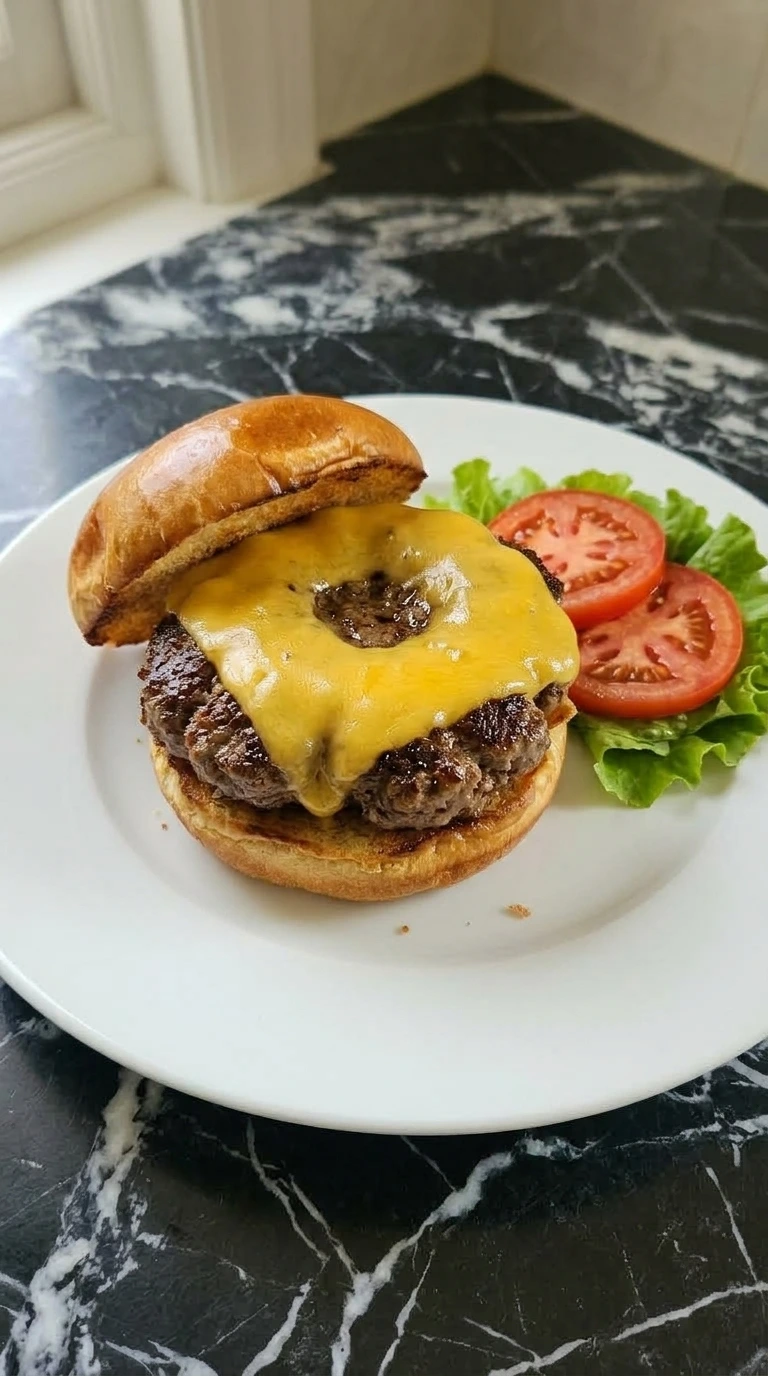
I finally discovered that a smoking hot cast iron skillet and specific packing methods make all the difference. It’s a total game changer. If you want a complete meal, pair these with our Creamy Potato Salad for the ultimate weekend feast.
Why You’ll Love It
Searing the beef in a preheated cast iron skillet at medium-high heat triggers the Maillard reaction rapidly. This chemical process creates a deeply caramelized exterior crust that locks inside all the natural juices. Choosing an 80/20 ground beef blend ensures there is enough internal fat to keep the patties moist during cooking.
Adding a splash of water and covering the pan creates a concentrated steam chamber. This method melts the thick sharp cheddar cheese in exactly 60 seconds without drying out the meat. If you enjoy mastering simple meat techniques, try our [Grilled Chicken Salad](https://leagueofcooking.
com/grilled-chicken-salad/) for another protein classic.
What You’ll Need
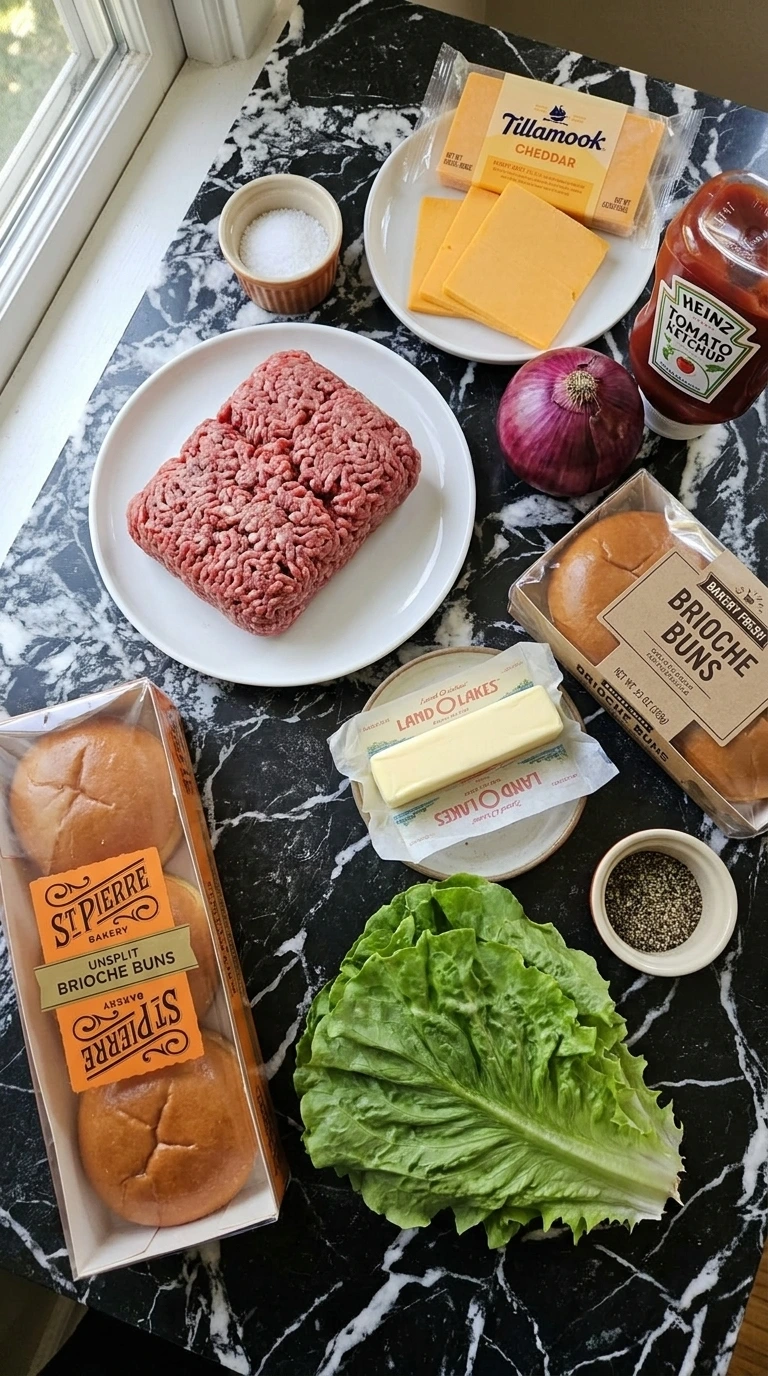
- ground beef: Fresh 80/20 blend ground beef for a juicy fat ratio.
- sharp cheddar: Real cheese slices for a rich flavor texture.
- brioche buns: Split and lightly sweetened for a sturdy base.
- unsalted butter: Softened to spread evenly on the bread crumb.
- fine sea salt: Used to season the meat right before searing.
- black pepper: Coarsely ground for a classic spicy bite.
Equipment
- Cast iron skillet: A heavy-bottomed 10-inch cast iron skillet distributes intense heat evenly so the meat gets a dark crust — a thin copper pan will hot-spot and burn the exterior before the center cooks.
How to Make It
Step 1: Shape the beef patties
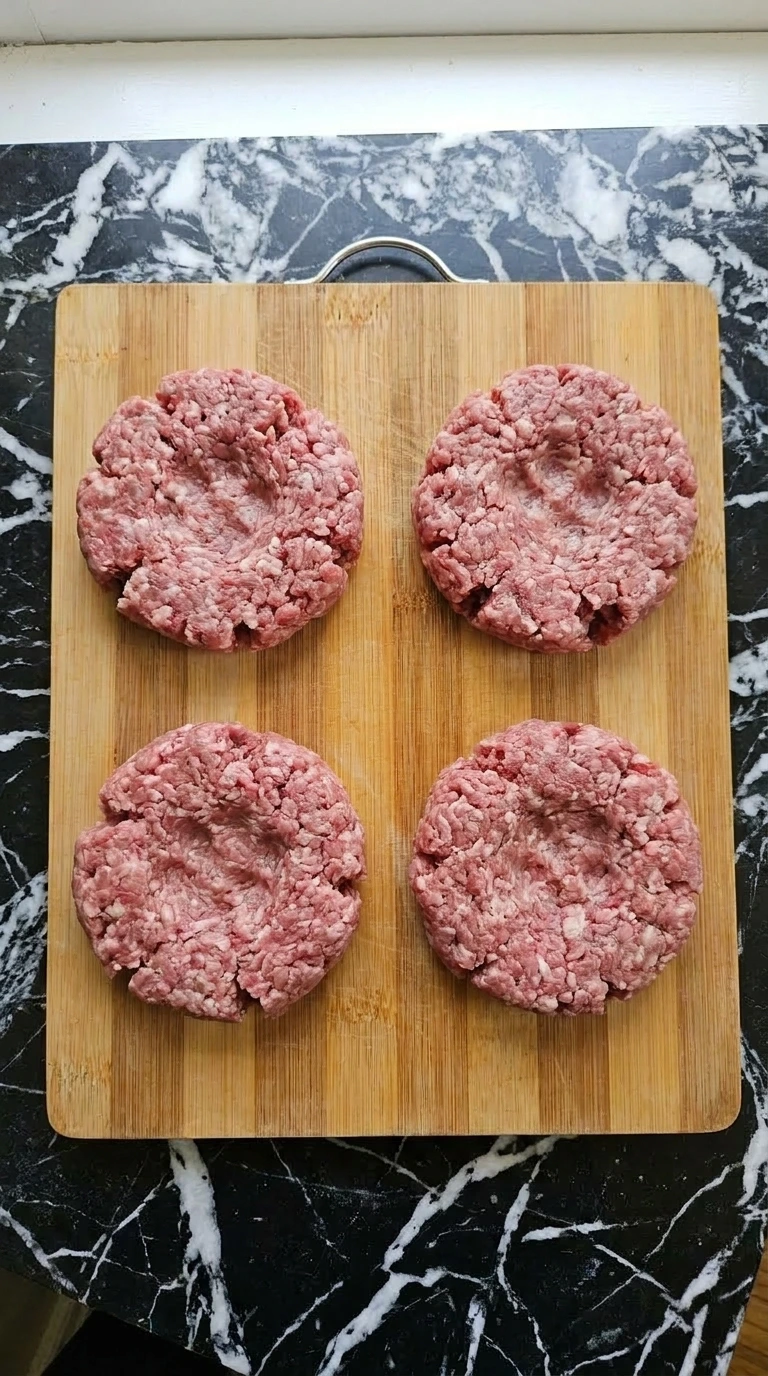
Divide your fresh ground beef into four equal portions on a clean surface. Shape each chunk gently with your hands into a round disc about 4 inches wide and 1 inch thick. Do not overwork the meat or pack it tightly because that makes the final texture tough and dense. Press a small indentation into the center of each patty using your thumb.
(I tried skipping the thumbprint the first time, the burgers puffed up into round footballs that rolled right off the buns. This indent is the golden trick. ) Keep the edges slightly irregular and natural rather than perfectly smooth. Make sure the patties are even in thickness except for that central dimple.
This ensures uniform heat distribution. Shape the beef gently, loose packing keeps the interior tender during cooking.
Tip: Keep your hands wet with cold water while shaping the patties so the beef fat does not stick to your skin.
Step 2: Toast the brioche buns

Place a large cast-iron skillet over medium heat (about 5 on a 10-dial) until the surface is hot. Spread a thin layer of unsalted butter directly onto the cut sides of your four split brioche buns. Place the buns cut-side down into the dry pan to catch the direct heat.
Toast them for exactly 2 minutes without moving them so they develop an even surface. You will hear a gentle sizzling sound as the butter melts into the crumb. The edges will turn deep golden brown and a crisp protective crust will form across the entire cut face.
Remove the buns immediately when you smell that rich toasted pastry aroma. Leaving them longer will blacken the sugar in the bread. Toast the bread first, the buttery barrier prevents the burger juices from making the bottom bun soggy.
Tip: Watch the buns closely during the last 30 seconds because the sugar in brioche can burn very quickly.
Step 3: Sear the beef patties

Turn the stove up to medium-high heat until the cast-iron skillet is hot but not smoking. Season the top of each raw patty generously with fine sea salt and coarse black pepper right before cooking. Place the patties seasoned-side down into the hot pan with clear space between them. Sear the meat for exactly 3 minutes without moving or pressing them down with a spatula.
(I used to press them with a spatula. The first squeeze leaks half the juice, don’t do it. ) You will hear a loud aggressive sizzle and notice the bottom edges turning completely opaque and dark brown. Flip the patties carefully once you see that deep color creeping a quarter of the way up the sides.
Miss this window and the exterior chars before the inside warms. Sear 3 minutes without moving, the fond builds the crust later.
Tip: Only season the meat immediately before cooking because salt draws out moisture and dries the beef if left too long.
Step 4: Melt the cheddar cheese
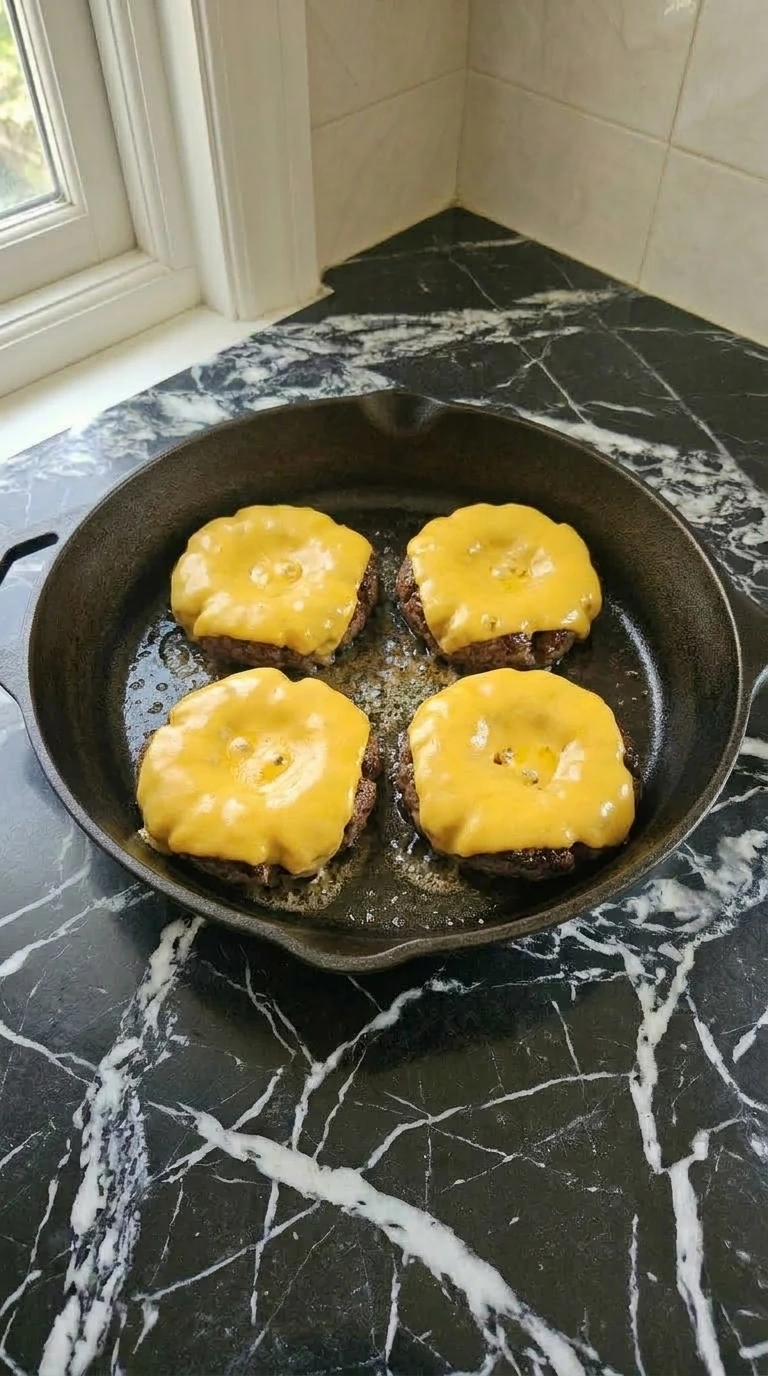
Flip the patties over using a sturdy metal spatula to expose the beautifully browned seared crust. Place one thick slice of sharp cheddar cheese directly onto the hot top of each cooked patty. Pour a single tablespoon of tap water into the empty spaces of the hot pan.
Cover the skillet immediately with a lid or a large metal bowl to trap the rising steam. Let it cook on medium-high heat for exactly 1 minute until the cheese runs smooth. You will see the cheese drape unevenly over the irregular edges of the beef like a thick blanket.
The cheese should look glossy and fully molten without separating into oil. Remove the pan from the heat source right away to stop the cooking process. Cover the pan with a lid, trapped steam melts the dairy instantly before the beef overcooks.
Tip: Use a splash of water to create instant steam which melts the cheese way faster than dry heat alone.
Tips for Success
- Shape the beef patties while they are cold from the fridge so the fats stay solid and do not melt into your palms.
- Press that central dimple into the raw meat because it naturally flattens out as the muscle fibers tighten during cooking.
- Use a heavy metal spatula to flip the meat so you can scrape up every bit of that flavorful stuck-on crust.
- Measure your seasonings precisely and apply them from high above to get a completely even distribution across the beef surface.
- Avoid buying pre-packaged lean ground beef because a 15 percent fat content will leave your burgers dry and crumbly.
- Rest the cooked cheeseburgers for exactly 5 minutes on a warm plate before serving so the interior juices can redistribute.
- Clean your cast iron skillet immediately after cooking with hot water and a stiff brush to preserve the seasoned surface.
- Add 2 tablespoons of real bacon bits and a drizzle of smoky barbecue sauce for a western twist.
- Swap the sharp cheddar for Swiss cheese and add sautéed white mushrooms for an earthy dinner option.
- Top with sliced jalapeños and a smear of spicy chipotle mayo to give each bite a fiery kick.
Ingredient Swaps
- sharp cheddar: provolone cheese — Melts just as quickly but offers a much milder and creamier flavor profile instead of the sharp bite.
- brioche buns: gluten-free burger buns — Works for dietary needs but the bread is significantly denser so you must toast it longer to soften the crumb.
- ground beef: ground turkey meat — Creates a leaner burger but the texture becomes dry quickly unless you add a tablespoon of olive oil to the mix.
How to Store
Store any leftover cooked beef patties in an airtight glass container inside the refrigerator for up to three days. Keep the buns and fresh vegetable toppings separated in their own bags so nothing gets soggy.
Freezing fully assembled burgers is not recommended because the bread breaks down completely in the freezer. Reheat the beef patties in a skillet over medium-low heat with two tablespoons of water for 5 minutes.
Cover the pan with a tight lid so the trapped steam warms the meat without drying it out. Check that the cheese melts beautifully again and the center is hot before assembling your fresh sandwich.
Cheeseburgers
Ingredients
- 2 pounds ground beef Fresh 80/20 blend ground beef for a juicy fat ratio.
- 4 thick slices sharp cheddar Real cheese slices for a rich flavor texture.
- 4 standard brioche buns Split and lightly sweetened for a sturdy base.
- 2 tablespoons unsalted butter Softened to spread evenly on the bread crumb.
- 1 teaspoon fine sea salt Used to season the meat right before searing.
- 1 teaspoon black pepper Coarsely ground for a classic spicy bite.
Instructions
- Divide your fresh ground beef into four equal portions on a clean surface. Shape each chunk gently with your hands into a round disc about 4 inches wide and 1 inch thick. Do not overwork the meat or pack it tightly because that makes the final texture tough and dense. Press a small indentation into the center of each patty using your thumb. (I tried skipping the thumbprint the first time, the burgers puffed up into round footballs that rolled right off the buns. This indent is the golden trick.) Keep the edges slightly irregular and natural rather than perfectly smooth. Make sure the patties are even in thickness except for that central dimple. This ensures uniform heat distribution. Shape the beef gently, loose packing keeps the interior tender during cooking.

- Place a large cast-iron skillet over medium heat (about 5 on a 10-dial) until the surface is hot. Spread a thin layer of unsalted butter directly onto the cut sides of your four split brioche buns. Place the buns cut-side down into the dry pan to catch the direct heat. Toast them for exactly 2 minutes without moving them so they develop an even surface. You will hear a gentle sizzling sound as the butter melts into the crumb. The edges will turn deep golden brown and a crisp protective crust will form across the entire cut face. Remove the buns immediately when you smell that rich toasted pastry aroma. Leaving them longer will blacken the sugar in the bread. Toast the bread first, the buttery barrier prevents the burger juices from making the bottom bun soggy.

- Turn the stove up to medium-high heat until the cast-iron skillet is hot but not smoking. Season the top of each raw patty generously with fine sea salt and coarse black pepper right before cooking. Place the patties seasoned-side down into the hot pan with clear space between them. Sear the meat for exactly 3 minutes without moving or pressing them down with a spatula. (I used to press them with a spatula. The first squeeze leaks half the juice, don’t do it.) You will hear a loud aggressive sizzle and notice the bottom edges turning completely opaque and dark brown. Flip the patties carefully once you see that deep color creeping a quarter of the way up the sides. Miss this window and the exterior chars before the inside warms. Sear 3 minutes without moving, the fond builds the crust later.

- Flip the patties over using a sturdy metal spatula to expose the beautifully browned seared crust. Place one thick slice of sharp cheddar cheese directly onto the hot top of each cooked patty. Pour a single tablespoon of tap water into the empty spaces of the hot pan. Cover the skillet immediately with a lid or a large metal bowl to trap the rising steam. Let it cook on medium-high heat for exactly 1 minute until the cheese runs smooth. You will see the cheese drape unevenly over the irregular edges of the beef like a thick blanket. The cheese should look glossy and fully molten without separating into oil. Remove the pan from the heat source right away to stop the cooking process. Cover the pan with a lid, trapped steam melts the dairy instantly before the beef overcooks.

Notes
Nutrition
Frequently Asked Questions
Yes you can absolutely shape the beef portions ahead of time. Place the shaped raw discs onto a parchment-lined tray and wrap them tightly with plastic film. Store them in the fridge for up to 24 hours but do not add the salt until right before they hit the hot pan.
Meat naturally shrinks as the proteins cook and release moisture. This happens excessively if you use beef with too much fat or if you pack the meat too tightly while shaping. Creating a wide thin patty with a center dimple minimizes this distortion during searing.
Insert a digital meat thermometer horizontally into the thickest part of the beef patty. For safe consumption ground beef must reach an internal temperature of 160°F. Remove the patties from the heat around 155°F because carryover cooking will lift them the rest of the way.
It is best to freeze the patties raw rather than cooked for the best texture. Separate the raw disks with squares of wax paper and seal them inside a heavy freezer bag for up to three months. Thaw them completely in the refrigerator before searing on the stove.
A heavy stainless steel pan or a quality electric griddle set to 400°F will work as substitutes. Avoid thin non-stick pans because they cannot hold enough heat to create that signature dark caramelized crust on the surface of the meat.
Let Me Know
Every time I make this I think about the first time I tried it, nervous about screwing it up, convinced I’d need more experience. Turns out it’s one of those dishes that forgives you for being a beginner.
You can mess up the timing like I did those first three attempts and it still turns out good. If you try it, leave me a comment below, I read every single one.
And if you enjoyed this, check out some of my other recipes like our comforting Creamy Cabbage Soup that use similar simple comforting techniques.
Believe it or not, the modern cheeseburger was actually a complete accident. It all started back in California during the 1920s. A young chef accidentally burned a hamburger patty on the grill, but he didn’t want to throw it away. So, he cleverly hid his mistake under a thick slice of cheese, and a classic was born.