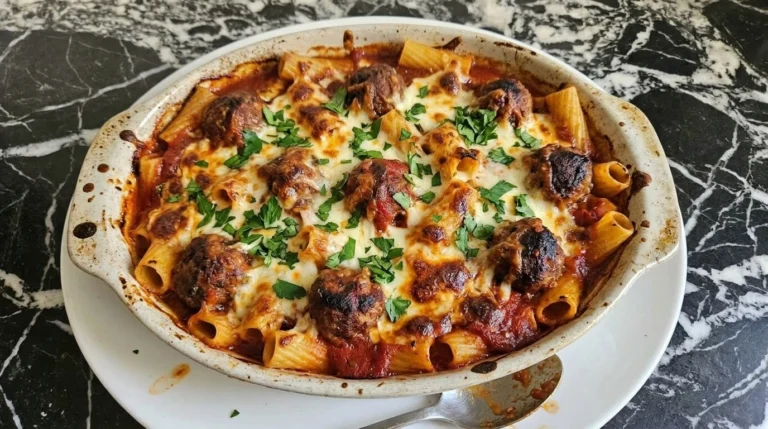
Friendsgiving Food Not Turkey
When you’re greedy like me and want real holiday flavor in every bite, not just a tiny hint of “kind of festive.. maybe? ”, finding Friendsgiving Food Not Turkey ideas that actually work is harder than it sounds. I honestly thought it would be easy: choose some cozy recipes, set them around the table, and call it a Friendsgiving feast.
But it wasn’t that simple. Some dishes felt way too heavy, while others just didn’t have that warm, comforting holiday vibe I was looking for. Finding the best friendsgiving food ideas not turkey took more experimenting than I expected. I ended up creating a menu around rich flavors, familiar ingredients, and dishes that people actually want to share.
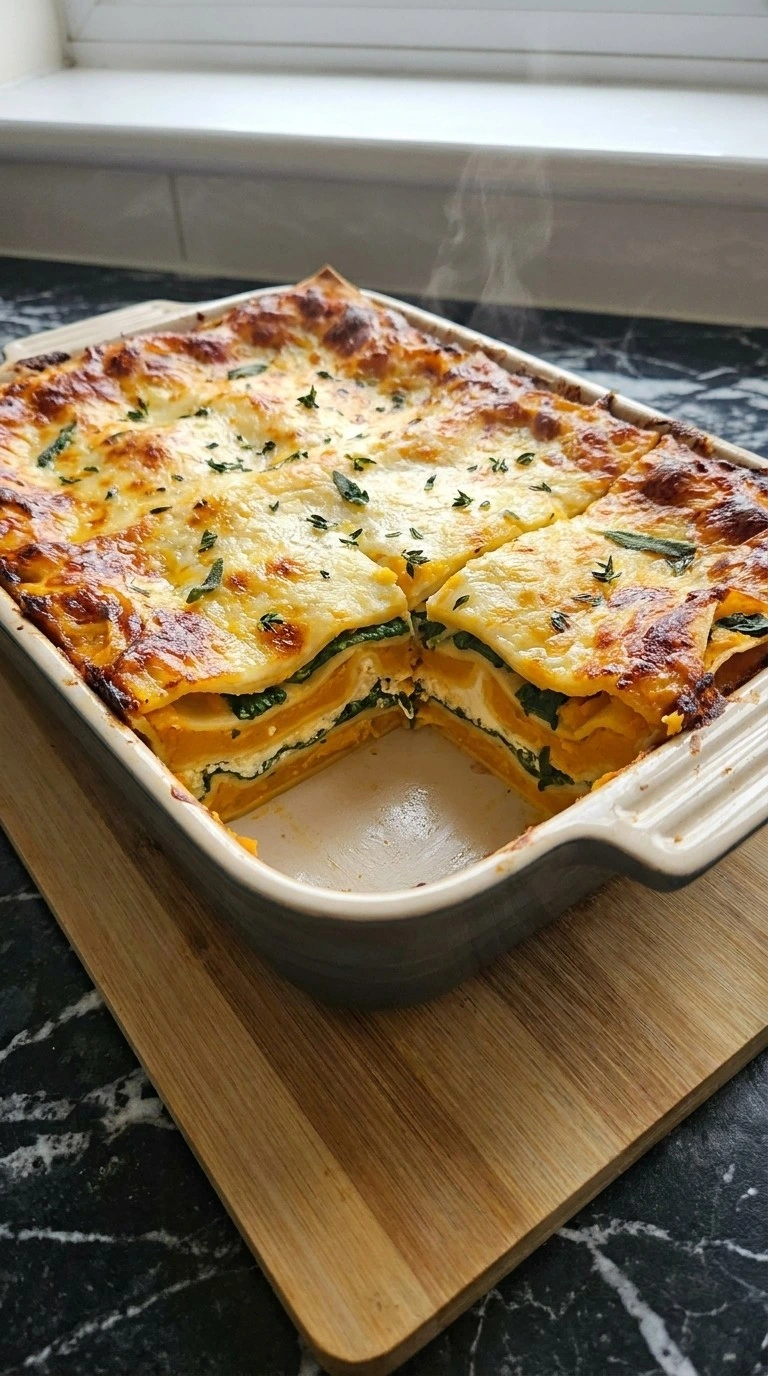
This Friendsgiving Food Not Turkey collection brings together satisfying recipes that feel festive and memorable without depending on the usual turkey centerpiece. If you enjoy cozy holiday cooking, you can also try our Crockpot Thanksgiving Ham for another seasonal main dish that’s perfect for the table.
Why You’ll Love This Friendsgiving Food Not Turkey
Friendsgiving Food Not Turkey works because roasting butternut squash at 375°F concentrates its natural sweetness before it meets the creamy filling. The combination of ricotta and spinach creates contrast while the lasagna layers hold moisture during baking.
The key technique is resting the baked dish for 15 minutes before slicing. This helps the layers settle and keeps portions intact.
For another comforting seasonal recipe, try our Crockpot Thanksgiving Ham for a different holiday centerpiece.
What You’ll Need

- butternut squash: Cut into uneven 1-inch cubes for sweet roasted pieces.
- olive oil: Used to coat vegetables before roasting.
- salt: Seasoned throughout the layers for balanced flavor.
- black pepper: Adds gentle warmth to the filling.
- fresh spinach: Folded into the filling for color and texture.
- whole milk ricotta cheese: Creates a creamy layer with soft richness.
- fresh lasagna sheets: Forms the structured layers of the baked dish.
- shredded mozzarella cheese: Melts into golden pockets across the top.
- grated parmesan cheese: Adds salty flavor and browned finish.
Tools You’ll Need
- 9×13 ceramic baking dish: A ceramic baking dish holds the layered bake evenly and keeps heat stable during cooking — avoid thin metal pans that can overbrown the edges before the center sets.
- Large mixing bowl: A large bowl gives space for folding the filling without crushing the roasted vegetables — choose a sturdy bowl that won’t slide during mixing.
- Sharp chef knife: A sharp knife creates clean vegetable cuts and portions without crushing ingredients — a dull blade can make uneven pieces that cook at different speeds.
Let’s Make Friendsgiving Food Not Turkey
Step 1: Roast the autumn vegetables
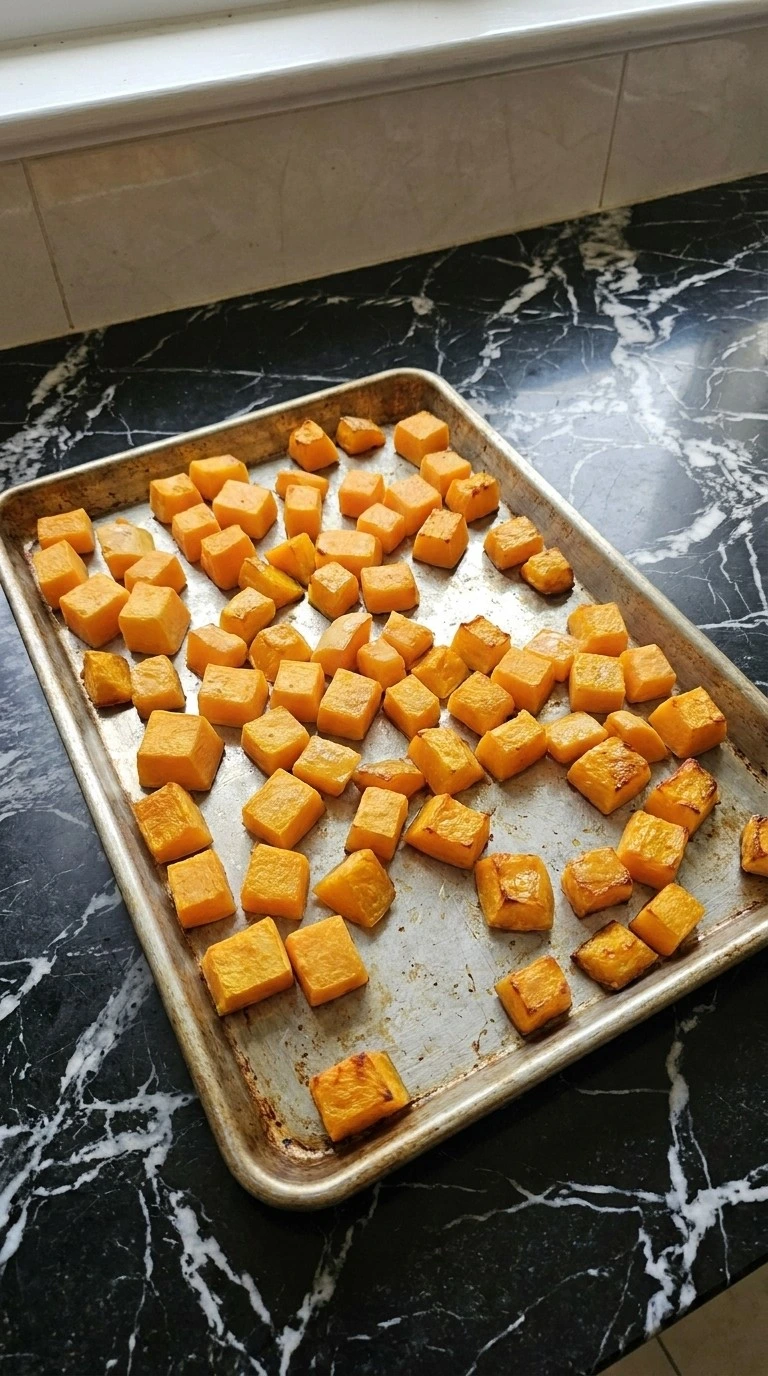
Preheat the oven to 375°F. Cut 2 medium butternut squash into uneven 1-inch cubes and toss with olive oil, salt and herbs in a 375°F oven for 25 to 30 minutes. Spread the cubes loosely and turn them halfway with a spatula so the edges caramelize evenly.
Watch for deep golden corners and a soft center when pressed. You’ll smell the roasted squash sweetness when the vegetables are ready. Miss this window and the cubes become watery instead of creamy.
Roast at 375°F for 30 minutes, steady heat develops natural sugars without drying the squash.
Tip: Choose firm butternut squash with a matte skin because softer squash can release too much water during roasting.
Step 2: Build the creamy filling
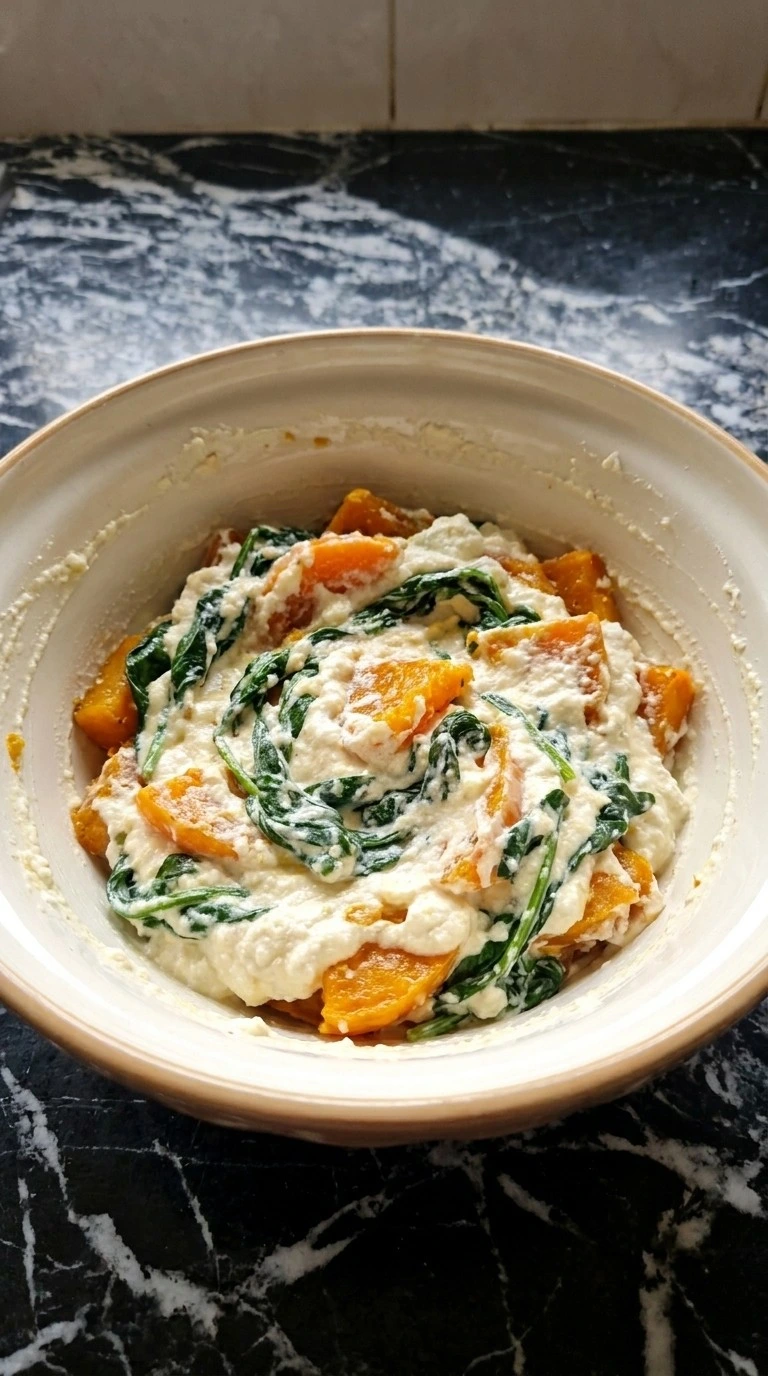
Combine the roasted butternut squash with ricotta cheese, spinach and seasonings in a mixing bowl at room temperature for 10 minutes. Fold gently with a rubber spatula using a scoop-and-turn motion until the filling keeps some texture.
The mixture should look creamy with visible squash pieces and bright green spinach ribbons. I tried blending everything completely once and it lost the homemade texture I wanted.
Keep some pieces intact for better contrast. Fold gently for 10 minutes, the texture stays layered instead of becoming flat.
Tip: Use whole milk ricotta when possible because lower-fat versions can make the filling grainy after baking.
Step 3: Layer the holiday bake
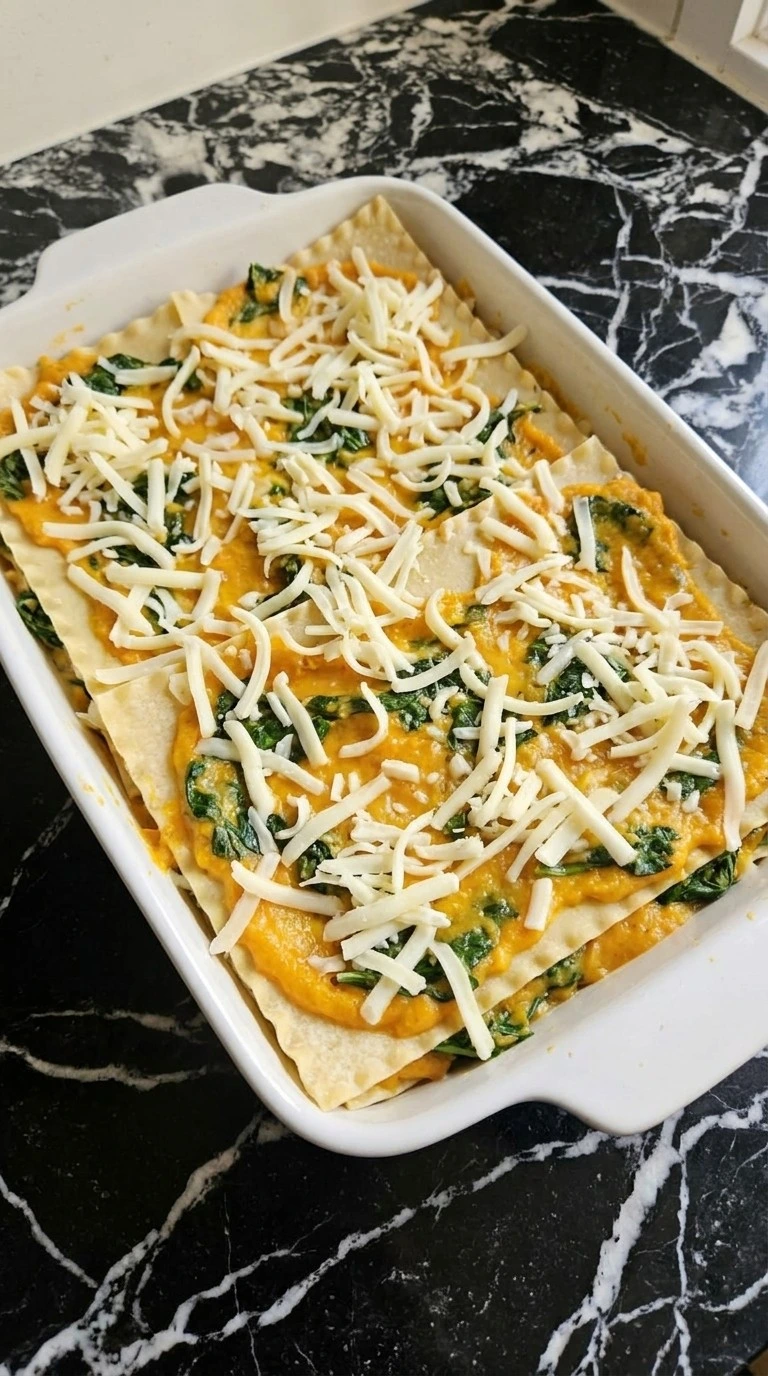
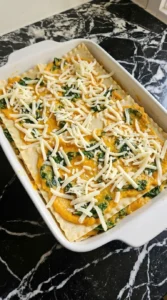
Spread the filling into a 9×13 ceramic baking dish and layer with cooked lasagna sheets, shredded mozzarella and grated parmesan cheese. Bake at 350°F for 25 to 30 minutes until the cheese melts and the top begins to color.
The surface should show melted cheese pockets and irregular golden patches. You’ll hear gentle bubbling around the edges when the layers have warmed through.
Skip this timing and the center can stay loose. Bake at 350°F for 30 minutes, balanced heat sets the layers without burning the cheese.
Tip: Leave a few uneven cheese patches uncovered because they create the best golden baked spots.
Step 4: Rest and serve the baked dish
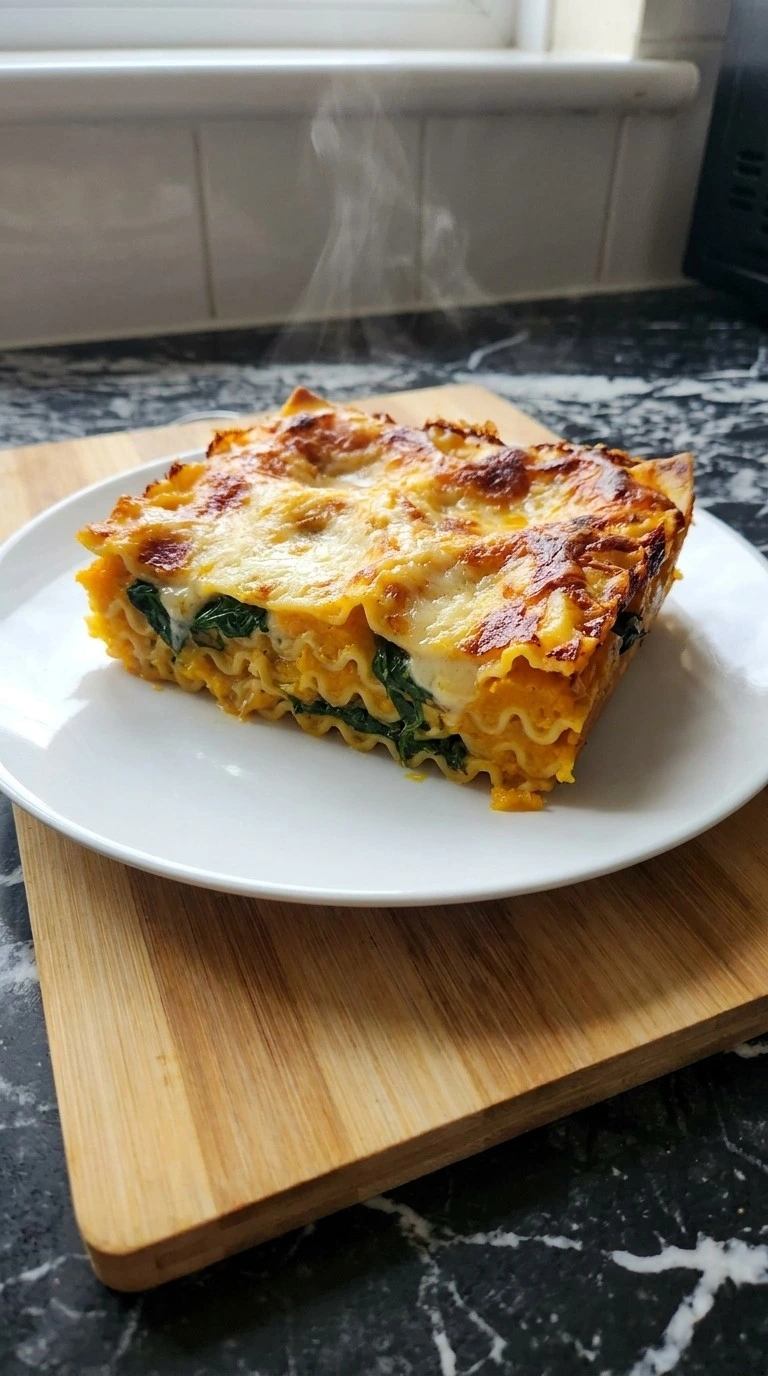
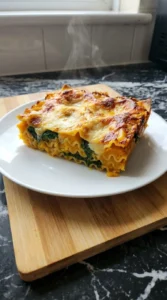
Remove the Friendsgiving Food Not Turkey bake from the oven and rest it at 350°F residual heat for 15 minutes before slicing. Cut through the layers slowly with a sharp knife and lift portions carefully onto plates.
The top should remain golden while the inside shows creamy layers and softened vegetables. I found that rushing this step made the first slices slide apart.
Resting gives the filling time to hold its shape. Rest 15 minutes before serving, the filling firms as moisture redistributes.
Tip: Serve the first portion from the center because it shows the layered texture guests want to see.
Pro Tips
- Roast the butternut squash in a single loose layer at 375°F for 25 to 30 minutes so each cube develops caramelized edges instead of steaming.
- Choose a deep orange butternut squash because the stronger color usually brings a sweeter flavor and a creamier finished filling.
- Let the baked dish rest for exactly 15 minutes before cutting because the layers tighten and the first slice holds together better.
- Use a ceramic baking dish around 9×13 inches because thicker sides protect the filling from drying before the cheese develops golden spots.
- Avoid adding wet spinach directly into the filling because excess moisture can make the center watery after 30 minutes of baking.
- Finish each serving with a small sprinkle of fresh herbs after baking for 2 minutes because the fresh aroma balances the rich cheese layers.
- Add 1 cup roasted mushrooms and 1 teaspoon fresh thyme for an earthy version that works well for autumn gatherings.
- Replace the butternut squash with roasted pumpkin for a seasonal twist with a slightly sweeter flavor and softer texture.
- Mix 1/2 cup toasted walnuts into the filling for added crunch and a nutty contrast against the creamy layers.
- Add 1 tablespoon smoked paprika and 1/2 cup crispy bacon pieces for a smoky holiday variation.
Substitutions & Variations
- whole milk ricotta cheese: cottage cheese blended until smooth — Use the same 2 cups because cottage cheese is lighter and creates a slightly softer filling with a mild tang. The texture won’t be as rich but it works well for a lighter holiday bake.
- fresh lasagna sheets: gluten-free lasagna sheets — Use the same quantity if the package size matches. Gluten-free sheets can become softer after baking, so reduce resting time to 10 minutes for cleaner slices.
- shredded mozzarella cheese: dairy-free mozzarella alternative — Use 2 cups of a melting dairy-free cheese. The top may brown less and the flavor will be slightly different because plant-based cheeses vary widely.
- fresh spinach: frozen spinach — Use 2 cups frozen spinach that has been thawed and squeezed very dry. Extra moisture can make the layers loose and watery.
- butternut squash: sweet potato — Replace with 2 medium sweet potatoes for a similar creamy texture. The flavor becomes sweeter and slightly earthier after roasting.
Storing and Reheating Friendsgiving Food Not Turkey
Keep leftover Friendsgiving Food Not Turkey in an airtight glass container in the refrigerator for up to 4 days. You can freeze the fully assembled unbaked casserole for up to 2 months.
Wrap the baking dish tightly with plastic wrap and foil to prevent freezer moisture from changing the cheese texture. Reheat individual portions at 350°F for 15 to 20 minutes until the center is warm and the cheese softens again.
Add 1 tablespoon of fresh ricotta on top if the filling feels dry after reheating. Discard leftovers if you notice sour smells, unusual liquid separation, or mold growth.
Friendsgiving Food Not Turkey
Ingredients
- 2 medium butternut squash Cut into uneven 1-inch cubes for sweet roasted pieces.
- 3 tablespoons olive oil Used to coat vegetables before roasting.
- 1 teaspoon salt Seasoned throughout the layers for balanced flavor.
- 1/2 teaspoon black pepper Adds gentle warmth to the filling.
- 3 cups fresh spinach Folded into the filling for color and texture.
- 2 cups whole milk ricotta cheese Creates a creamy layer with soft richness.
- 12 sheets fresh lasagna sheets Forms the structured layers of the baked dish.
- 2 cups shredded mozzarella cheese Melts into golden pockets across the top.
- 1/2 cup grated parmesan cheese Adds salty flavor and browned finish.
Instructions
- Preheat the oven to 375°F. Cut 2 medium butternut squash into uneven 1-inch cubes and toss with olive oil, salt and herbs in a 375°F oven for 25 to 30 minutes. Spread the cubes loosely and turn them halfway with a spatula so the edges caramelize evenly. Watch for deep golden corners and a soft center when pressed. You’ll smell the roasted squash sweetness when the vegetables are ready. Miss this window and the cubes become watery instead of creamy. Roast at 375°F for 30 minutes, steady heat develops natural sugars without drying the squash.
- Combine the roasted butternut squash with ricotta cheese, spinach and seasonings in a mixing bowl at room temperature for 10 minutes. Fold gently with a rubber spatula using a scoop-and-turn motion until the filling keeps some texture. The mixture should look creamy with visible squash pieces and bright green spinach ribbons. I tried blending everything completely once and it lost the homemade texture I wanted. Keep some pieces intact for better contrast. Fold gently for 10 minutes, the texture stays layered instead of becoming flat.
- Spread the filling into a 9×13 ceramic baking dish and layer with cooked lasagna sheets, shredded mozzarella and grated parmesan cheese. Bake at 350°F for 25 to 30 minutes until the cheese melts and the top begins to color. The surface should show melted cheese pockets and irregular golden patches. You’ll hear gentle bubbling around the edges when the layers have warmed through. Skip this timing and the center can stay loose. Bake at 350°F for 30 minutes, balanced heat sets the layers without burning the cheese.
- Remove the Friendsgiving Food Not Turkey bake from the oven and rest it at 350°F residual heat for 15 minutes before slicing. Cut through the layers slowly with a sharp knife and lift portions carefully onto plates. The top should remain golden while the inside shows creamy layers and softened vegetables. I found that rushing this step made the first slices slide apart. Resting gives the filling time to hold its shape. Rest 15 minutes before serving, the filling firms as moisture redistributes.
Notes
Nutrition
Questions I Get Asked
Yes, assemble the dish up to 24 hours before baking and cover it tightly in the refrigerator. Let it sit at room temperature for 30 minutes before placing it into a 350°F oven so the center heats evenly.
Store leftovers in an airtight container for up to 4 days. Reheat portions at 350°F for 15 to 20 minutes until the cheese softens and the center reaches a warm serving temperature.
The most common cause is excess moisture from vegetables or spinach. Drain spinach well and roast squash at 375°F for 25 to 30 minutes because concentrated vegetables create firmer layers.
Freeze the assembled unbaked dish for up to 2 months by wrapping it tightly with plastic wrap and foil. Thaw overnight in the refrigerator and bake at 350°F for about 35 to 40 minutes until bubbling.
Double the ingredients and divide the mixture between two 9×13 baking dishes instead of making one deeper casserole. Bake both dishes at 350°F for 30 to 35 minutes because thicker layers need extra time.
A Final Note
Every time I make this I think about the first time I tried it, nervous about getting a Friendsgiving menu wrong, convinced I’d need more experience. Turns out this Friendsgiving Food Not Turkey idea is one of those dishes that forgives you for being a beginner. You can adjust the timing like I did during those first attempts and it still turns out comforting.
The special part is that friendsgiving food ideas not turkey don’t have to feel like a backup plan. This version brings together cozy layers and simple techniques that make sharing food with friends feel memorable. If you try it, leave me a comment below, I read every single one.
And if you enjoyed this, check out some of my other recipes that use similar techniques.
Friendsgiving has grown into a relaxed celebration where friends come together and make their own holiday traditions. Many hosts skip the usual dishes and go for non-traditional options because the focus isn’t on following a strict menu. It’s really about sharing comforting food, enjoying good company, and creating a meal that feels personal.