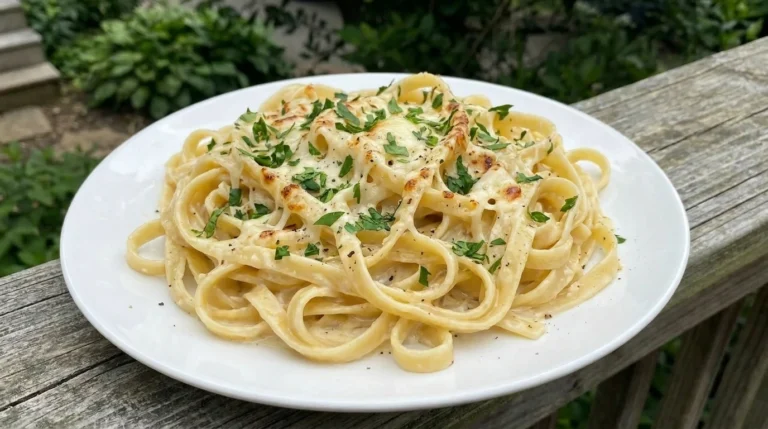
chicken alfredo
I wanted a chicken alfredo where every bite actually tastes creamy and cheesy, not just coated in something that slides off the noodles. Sounds simple. It isn’t. I kept running into the same issues.
Thin sauces, dry chicken, or pasta that felt heavy instead of silky. It took a few rounds to get the balance right, kind of like dialing in something comforting but still fresh, like this Creamy Tomato Pasta.
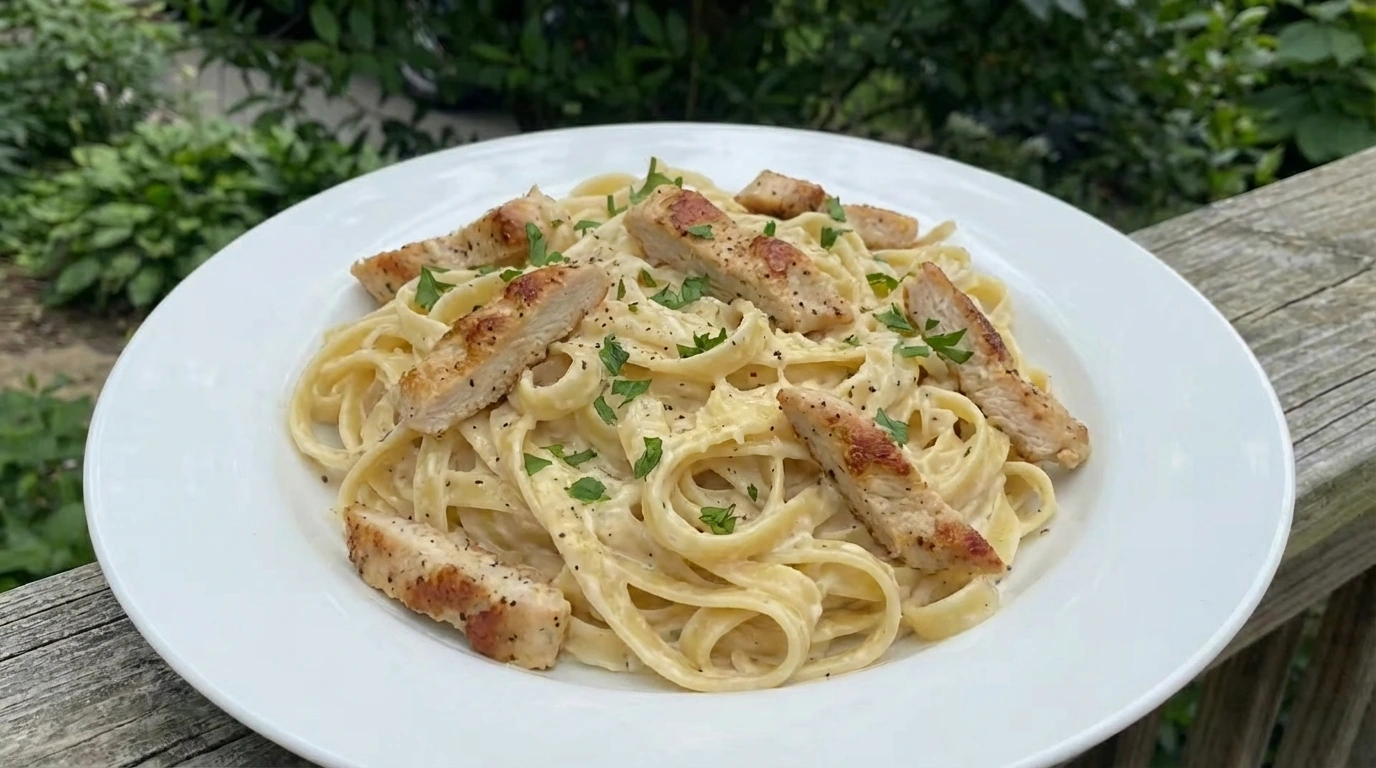
Now it hits all the marks. Juicy chicken, pasta that stays tender, and a sauce that clings just enough without turning thick or sticky.
Why You Will Love This
Cooking the pasta just shy of done and finishing it in the sauce at about medium-low heat helps the starch bind with the cream. Slowly melting finely grated parmesan into warm cream, not boiling, keeps it smooth instead of clumpy. Letting the chicken brown undisturbed builds flavor that carries through the whole dish.
Ingredients You Will Need
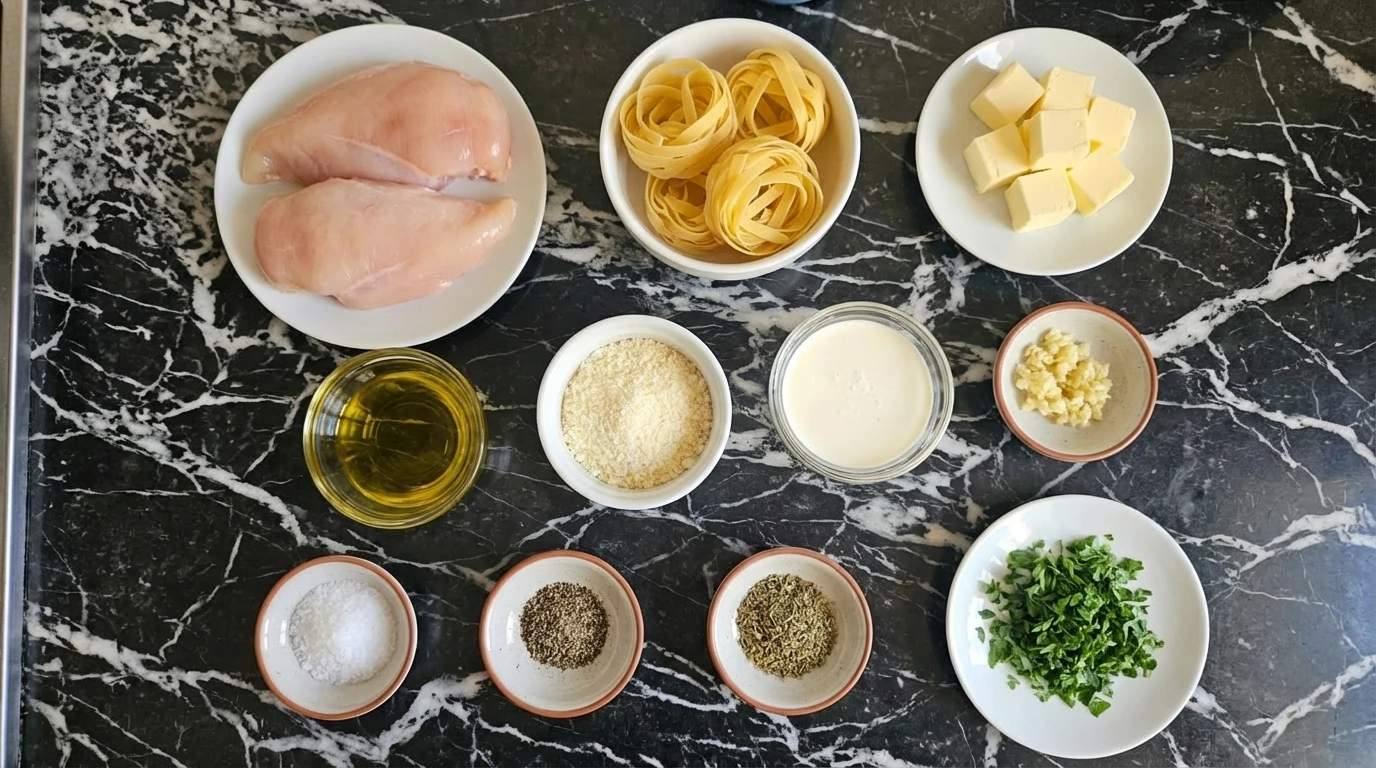
- boneless skinless chicken breasts: Cut into strips so they cook quickly and stay juicy inside.
- fettuccine: Wide noodles that hold onto the sauce better than thin pasta.
- unsalted butter: Melted first to build a rich base without overpowering the cheese.
- garlic: Minced fine so it softens quickly and blends into the sauce.
- heavy cream: Full-fat cream that thickens gently without curdling.
- finely grated parmesan cheese: Grated very fine so it melts smoothly into the sauce.
- olive oil: Used for searing to help the chicken brown evenly.
- kosher salt: Season in layers so the sauce doesn’t taste flat.
- black pepper: Freshly cracked for a little warmth against the cream.
- Italian seasoning: Light herb blend to flavor the chicken without overpowering.
- fresh parsley: Chopped at the end for color and a fresh finish.
Kitchen Equipment
Method
Step 1: Slice and season the chicken
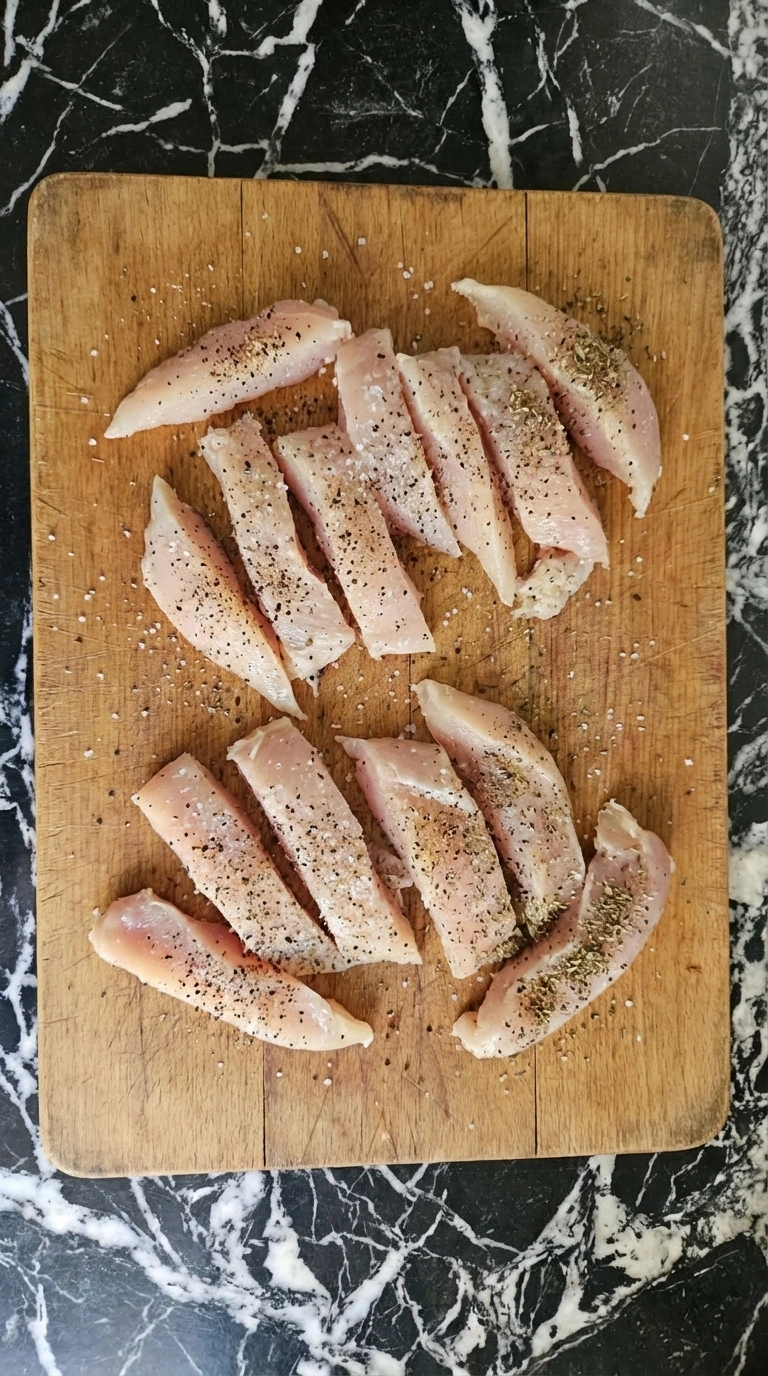
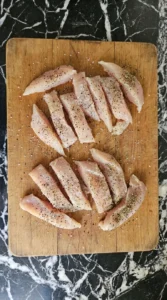
Slice the chicken into uneven strips about 1 inch thick. Work on a cool cutting board, around 70°F room temp, and take about 3 to 4 minutes to get them all cut. Then scatter them out and season with salt, pepper, and Italian seasoning using a light pinch and drop motion so it sticks unevenly. Let the chicken sit for 5 minutes before cooking. You’ll see the surface turn slightly glossy as the salt pulls moisture. Miss this short rest and the seasoning won’t stick well and the meat can cook bland inside.
Tip: Pat the chicken dry before seasoning so you get better browning later.
Step 2: Cook the fettuccine until softened
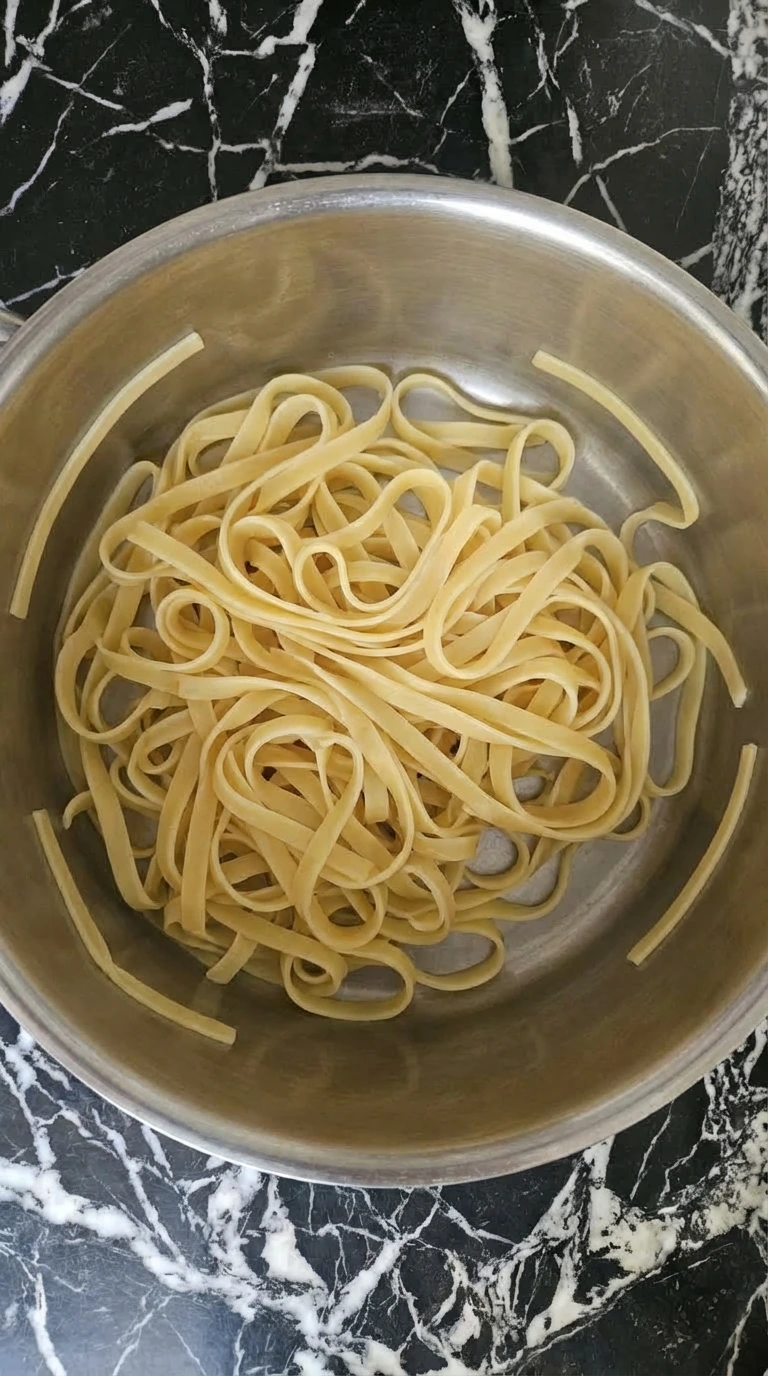
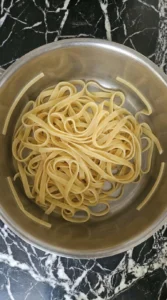
Bring a large pot of water to a rolling boil at 212°F, then add salt and the fettuccine. Stir with tongs right away and again at minute 2 so strands don’t stick. Cook for 8 to 10 minutes, but start checking at minute 7. You’re looking for noodles that bend easily but still have a slight bite in the center. They should feel soft but not fully tender. Go past that and they’ll turn too soft once they hit the sauce and lose their shape.
Tip: Scoop out about 1/2 cup of pasta water before draining.
Step 3: Brown the chicken pieces
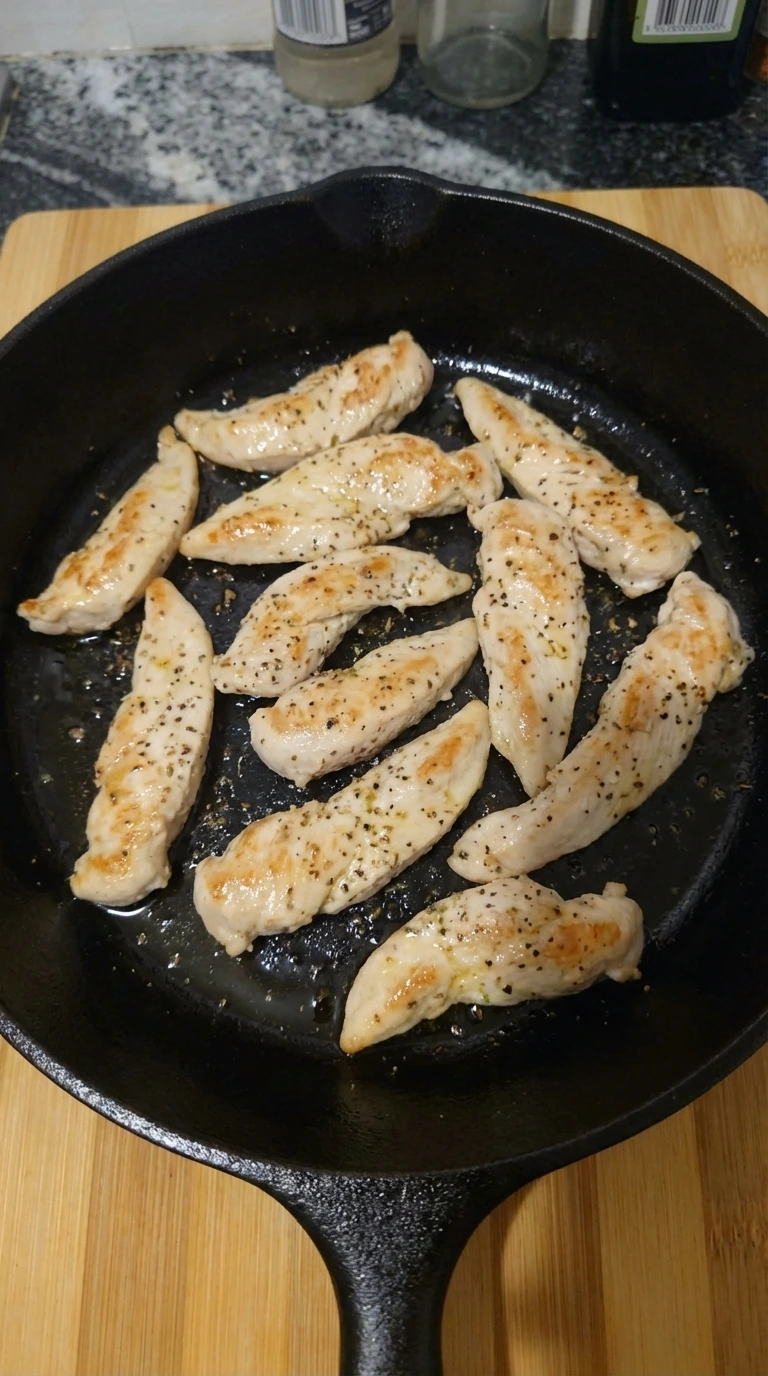
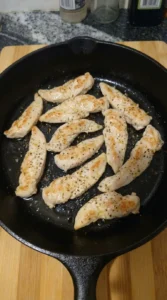
Heat olive oil in a skillet over medium heat, about 6 on a 10-dial, for 2 minutes until it shimmers. Add the chicken in a single layer and leave it untouched for 3 to 4 minutes so it can brown properly. Flip and cook another 3 to 5 minutes until the edges turn golden and you hear a steady sizzle. The centers should be just cooked through. Move them too early and you lose that browning, which means less flavor overall.
Tip: Cook in batches if needed so the pan doesn’t overcrowd.
Step 4: Simmer the cream and parmesan sauce
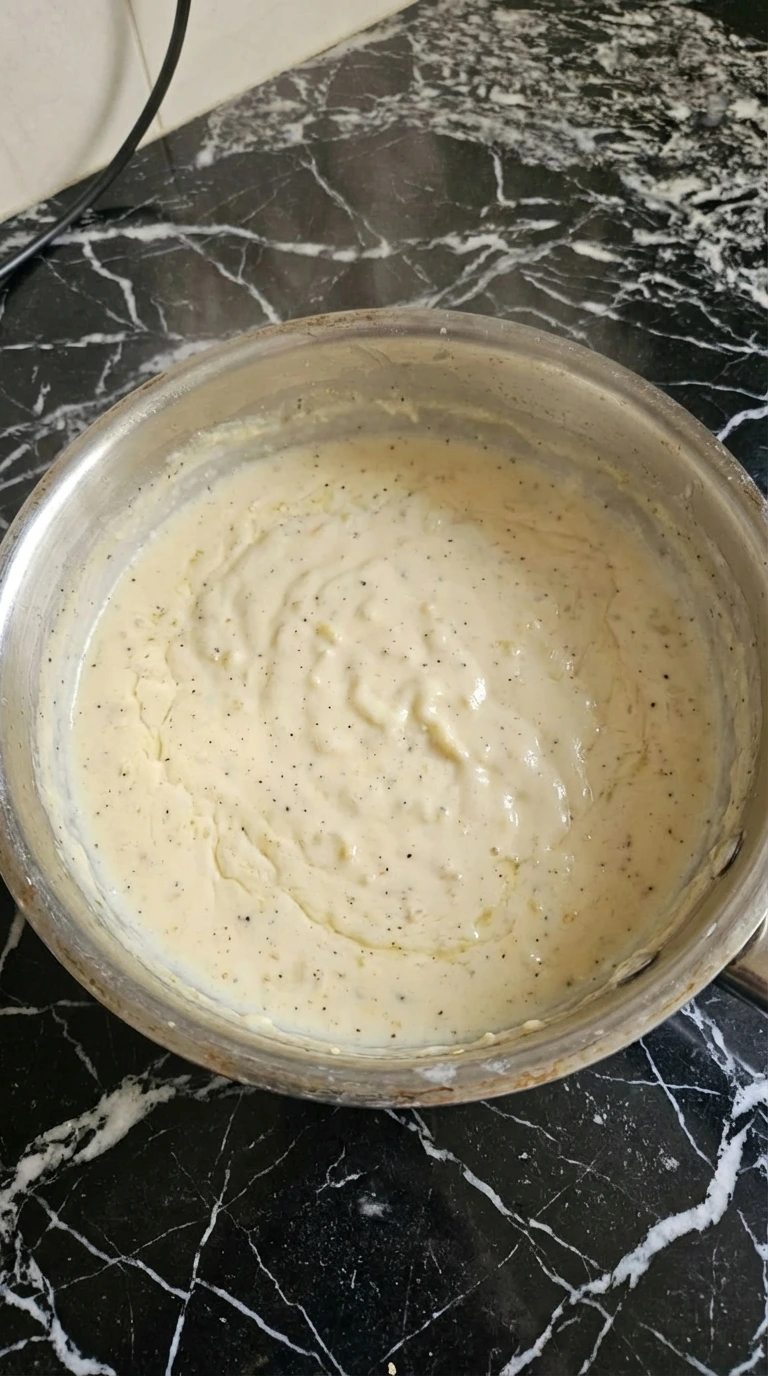
In a saucepan over medium-low heat, about 4 on a 10-dial, melt the butter for 1 minute, then add garlic and stir for 60 to 90 seconds until fragrant. Pour in the cream and let it warm for 3 to 4 minutes without boiling. Add the parmesan in small handfuls, stirring constantly in a slow circular motion for about 4 minutes. The sauce should thicken and coat the back of a spoon. If it boils, the cheese can clump and the sauce turns grainy. (I rushed this once and the sauce split. Low heat really matters here.)
Tip: Keep the heat low once cheese is added to avoid a gritty texture.
Step 5: Fold the pasta and chicken into the sauce
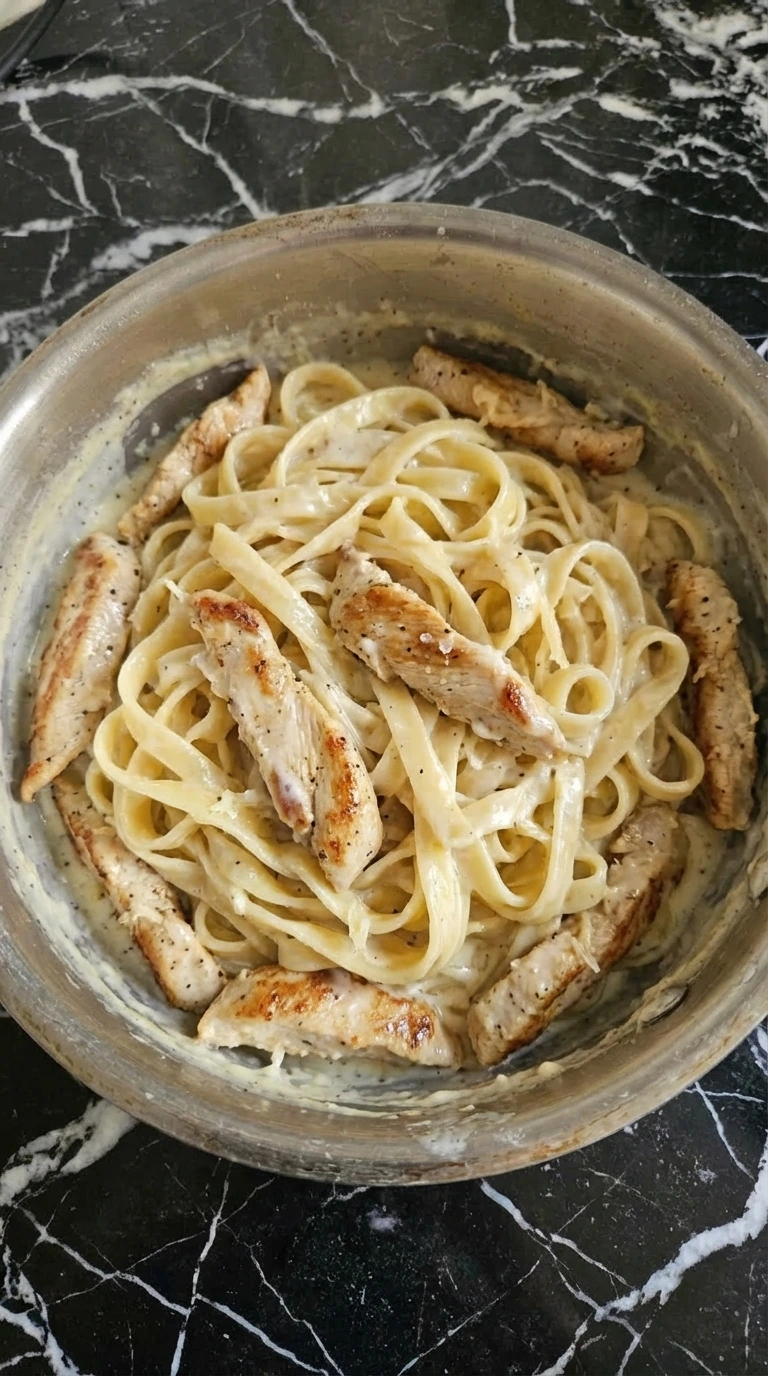
Add the drained pasta and cooked chicken into the sauce over low heat, about 3 on a 10-dial. Use tongs to fold everything together in a lifting and turning motion for 2 to 3 minutes so the sauce coats evenly. Watch how the sauce clings to the noodles and gathers in the folds. If it looks too thick, add a splash of reserved pasta water and toss again for 1 minute. Skip this step and the sauce can sit heavy instead of silky.
Tip: Toss gently so the noodles don’t break apart.
Step 6: Plate and finish with parmesan and parsley
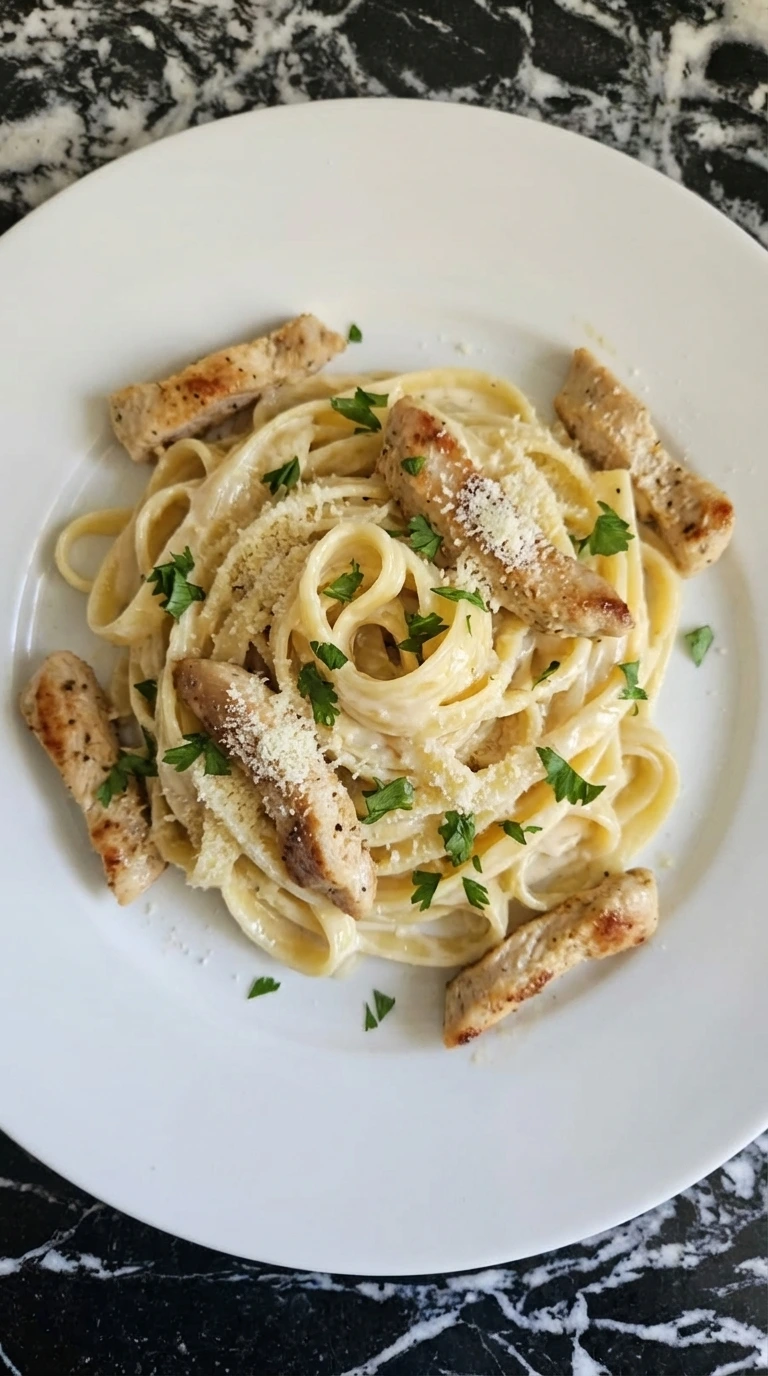
Twirl the pasta into a loose mound using tongs and plate immediately while hot, around 140°F serving temp. This should take about 1 minute per plate. Scatter the chicken on top, then add parmesan and parsley right away. The cheese should soften on contact and the parsley should stay bright green. Wait too long and the sauce thickens as it cools, making the dish feel heavy instead of smooth.
Tip: Warm your plate slightly so the sauce stays fluid longer.
My Best Tips
- Keep chicken pieces similar in thickness so they cook evenly but still look natural.
- Use very finely grated parmesan so it melts smoothly into the sauce.
- Always save a bit of pasta water to adjust the sauce texture at the end.
- Add parsley right before serving so it stays fresh and bright.
Make It Your Own
- heavy cream: half-and-half — lighter result but the sauce won’t be as rich or thick.
- parmesan cheese: pecorino romano — saltier and sharper flavor, use a little less.
- fettuccine: gluten-free pasta — works fine but can soften faster, check early.
- butter: dairy-free butter — slightly different flavor but still creamy enough.
- chicken breasts: chicken thighs — juicier and richer, but a bit heavier in the final dish.
- olive oil: avocado oil — neutral flavor and similar cooking performance, pairs well like in this <a href=”https://leagueofcooking.com/?p=3219″>Grilled Chicken Salad</a>.
Storing Leftovers
Store leftovers in a sealed container in the fridge for up to 3 days. Keep parsley separate if you want it to stay fresh. Reheat gently over low heat, about 3 on a 10-dial, with a splash of milk or cream for 3 to 5 minutes. This keeps the sauce smooth instead of stiff.
chicken alfredo
Ingredients
- 2 large boneless skinless chicken breasts
- 12 ounces fettuccine
- 4 tablespoons unsalted butter
- 3 cloves minced garlic
- 2 cups heavy cream
- 1 1/4 cups finely grated parmesan cheese
- 1 tablespoon olive oil
- 1 1/4 teaspoons divided kosher salt
- 3/4 teaspoon divided black pepper
- 1 teaspoon Italian seasoning
- 2 tablespoons chopped fresh parsley
Instructions
-
Cut the two chicken breasts into uneven bite sized strips and then scatter them loosely across a wooden cutting board with salt and pepper and Italian seasoning clinging in patchy spots. The pieces should look irregular and slightly different in size and the seasoning should sit heavier on some edges than others.
-
The dry fettuccine changes from stiff pale bundles into softened ribbons that bend and curl through the water in a loose tangle. Some strands float higher and some sink lower so the pasta looks relaxed and uneven rather than neat or perfectly lined up.
-
The seasoned chicken strips turn opaque and then develop pale golden spots with deeper color on a few edges while their surfaces tighten and look slightly glossy from the oil. The pieces shift into a casual cluster with small gaps between them and a few browned bits collecting where the seasoning meets the meat.
-
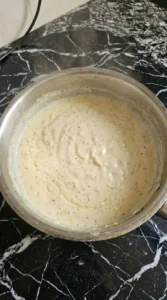
Butter and garlic melt into the cream and then the parmesan turns the mixture from thin and pale into a thicker sauce with soft ripples and a slightly uneven cheesy surface. A few darker pepper specks stay visible and the sauce gathers in gentle folds instead of running flat which shows it is ready to cling to the pasta.
-
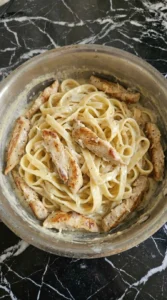
The softened fettuccine and browned chicken are added to the sauce and then everything changes into one glossy tangled mixture with ribbons coated from edge to edge and chicken tucked through the pasta. The sauce sits thicker in some folds and lighter in others so the dish looks rich and homemade with uneven coating and natural overlap.
-
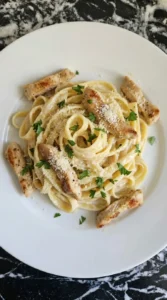
A single serving is twirled into a loose mound on the plate and then topped with scattered chicken and extra parmesan and parsley so the final dish shows creamy folds and melted cheese and a few browned spots from the chicken. The colors stay slightly uneven and the noodles fall in relaxed layers which makes the plate look homemade and ready to eat.
Notes
Common Questions
It usually means the heat was too high when adding the cheese. Keep it at medium-low and add parmesan slowly so it melts smoothly.
You can cook the chicken and pasta ahead, but the sauce is best fresh. Reheating can thicken it, so add liquid to loosen it back up.
Don’t overcook it. Sear until golden and just cooked through, then remove from heat. It finishes gently when mixed with the sauce.
Wrap Up
This chicken alfredo hits that creamy, cozy spot without feeling heavy. It’s simple once you know where to watch the timing.
If you liked this, try the <a href=”https://leagueofcooking. com/?
p=3162″>Spaghetti and Meatballs next for another classic dinner.
Classic Roman alfredo didn’t originally use cream, just butter, pasta water, and parmesan emulsified together.