Creamy Baked Mac and Cheese
This is the kind of mac and cheese you make when you want something warm, filling, and actually satisfying. Not dry, not bland. Just creamy pasta with a real cheese sauce that holds up.
It bakes up with that soft center and golden top that everyone digs into first. I usually serve it alongside something fresh like this Grilled Chicken Salad to balance things out. It’s simple, but the details matter here.
Get those right and you’ll have a dish that feels like it took way more effort than it did.
What Makes This Recipe Work
The sauce thickens properly because the butter and flour are combined before adding liquid, which prevents lumps. Heating the milk and cream slowly around medium heat keeps the sauce smooth and stable. And baking at 375°F finishes the top while keeping the inside creamy instead of drying out.
What You Will Need
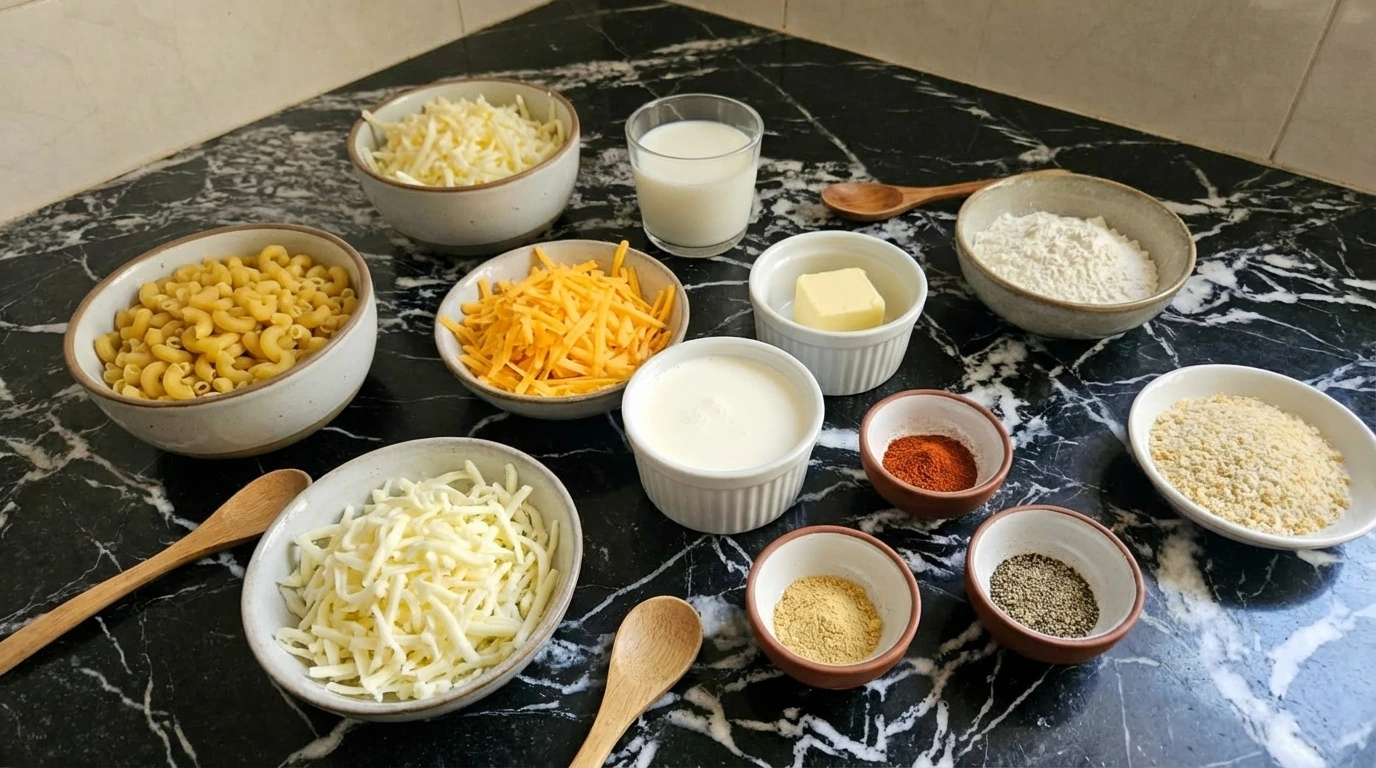
- elbow macaroni: short pasta that holds sauce well
- cheddar cheese: sharp cheese for flavor and melt
- mozzarella cheese: melty cheese for stretch
- milk: base liquid for the sauce
- heavy cream: adds body and richness
- butter: fat for the roux base
- flour: thickens the sauce
- salt: brings out all flavors
- black pepper: adds subtle heat
- paprika: adds warmth and color
- breadcrumbs: creates a light crisp topping
Kitchen Equipment
Instructions
Step 1: Measure and Arrange Ingredients
Set everything out before you start. Keep the butter slightly softened at room temperature around 70°F for about 10 minutes so it blends easily. Place each ingredient in its own bowl so nothing gets missed later. Take a second to look at textures. The cheese should feel soft and fluffy, not dry. If you skip this setup step, you’ll end up scrambling mid-recipe and the sauce can overcook before you’re ready.
Tip: Grate your cheese fresh for smoother melting instead of using pre-shredded.
Step 2: Combine Butter and Flour
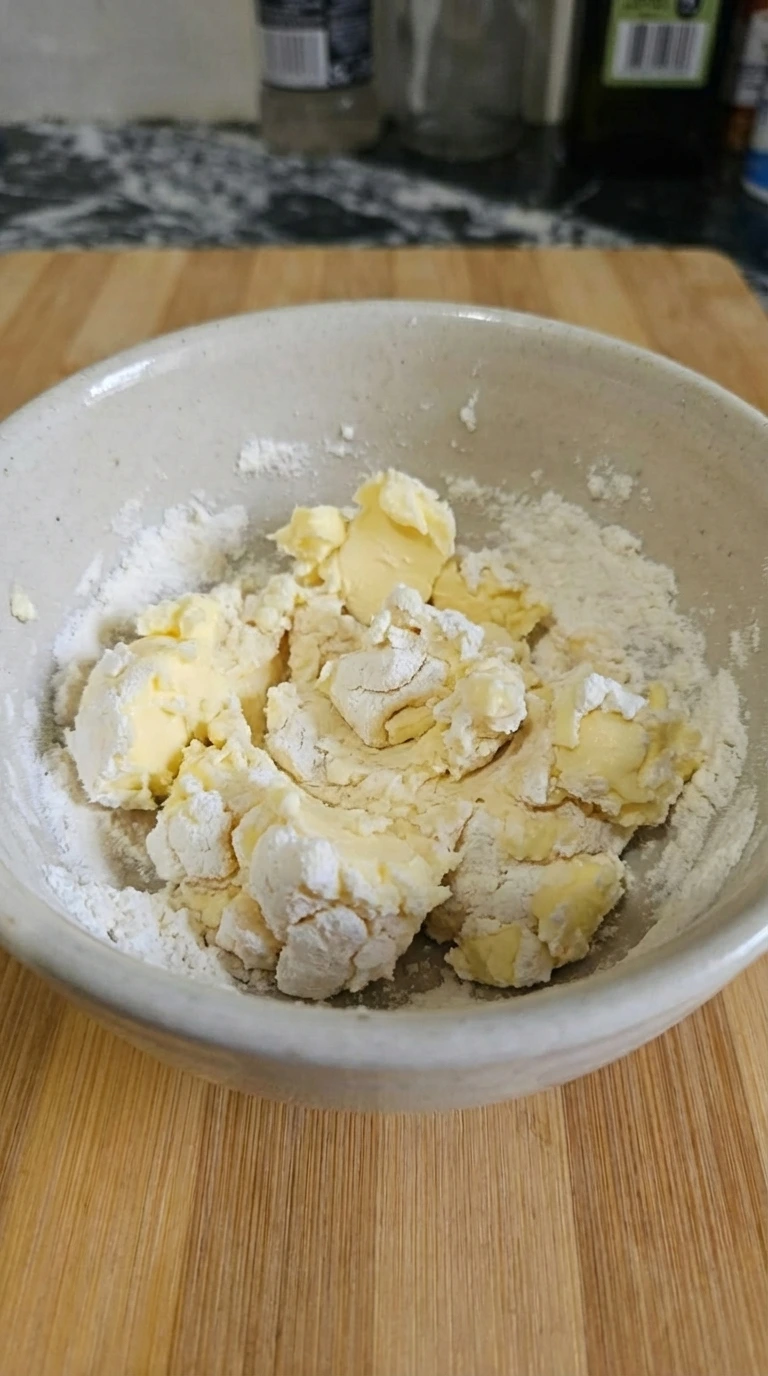
In a bowl, mix the softened butter and flour together using a pressing and folding motion. Work it for about 2 to 3 minutes until it forms a thick paste. Keep the mixture at room temp, around 70°F, not cold. You’re looking for a smooth but slightly grainy paste. If you rush this, dry flour pockets stay behind and your sauce will turn lumpy later.
Tip: Use the back of a spoon to press out stubborn lumps.
Step 3: Add Milk and Cream
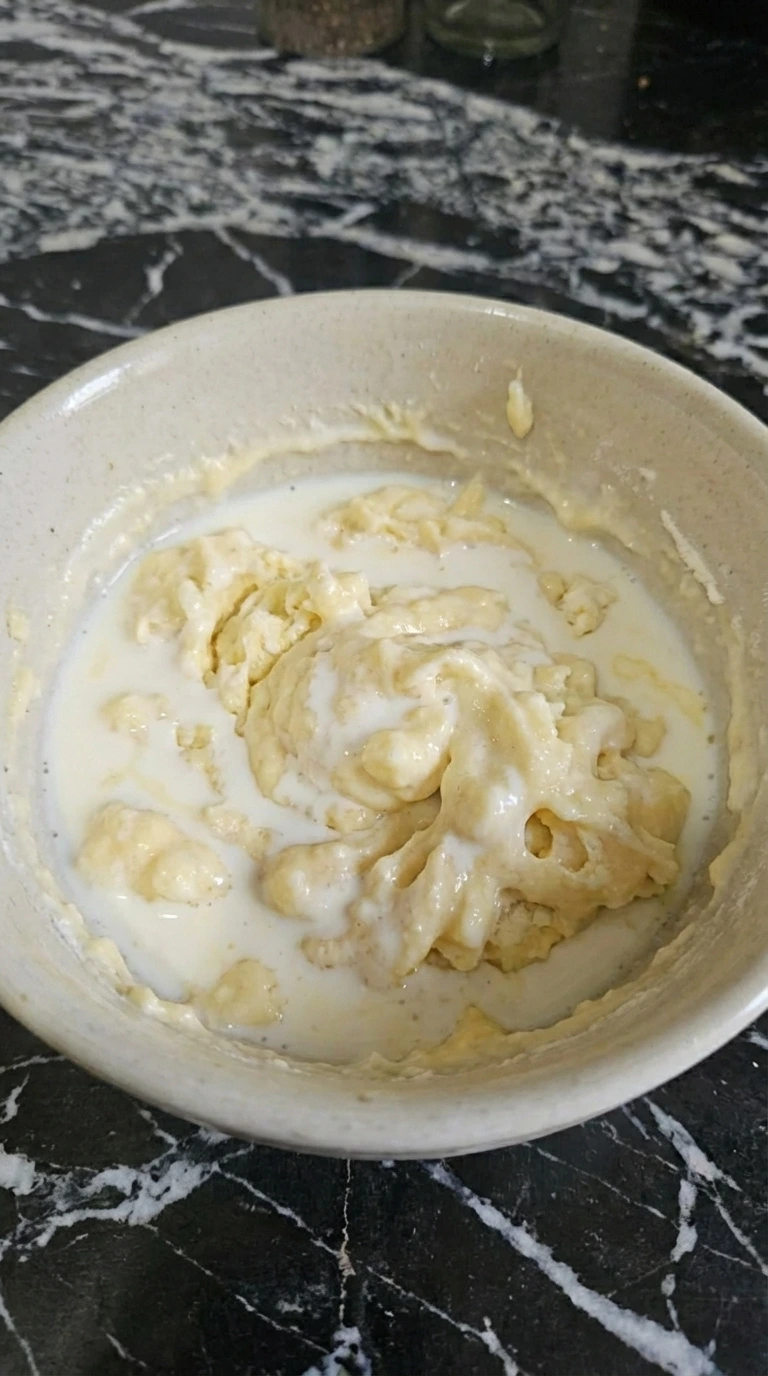
Pour the milk and cream in slowly while stirring in circles. Keep the mixture over medium heat, about 4 out of 10, and stir for 4 to 5 minutes until it loosens into a smooth base. Watch for the texture to change. It should go from thick to silky with no dry spots. Add the liquid too fast and the mixture separates instead of blending.
Tip: Warm the milk slightly before adding for smoother mixing.
Step 4: Season the Sauce
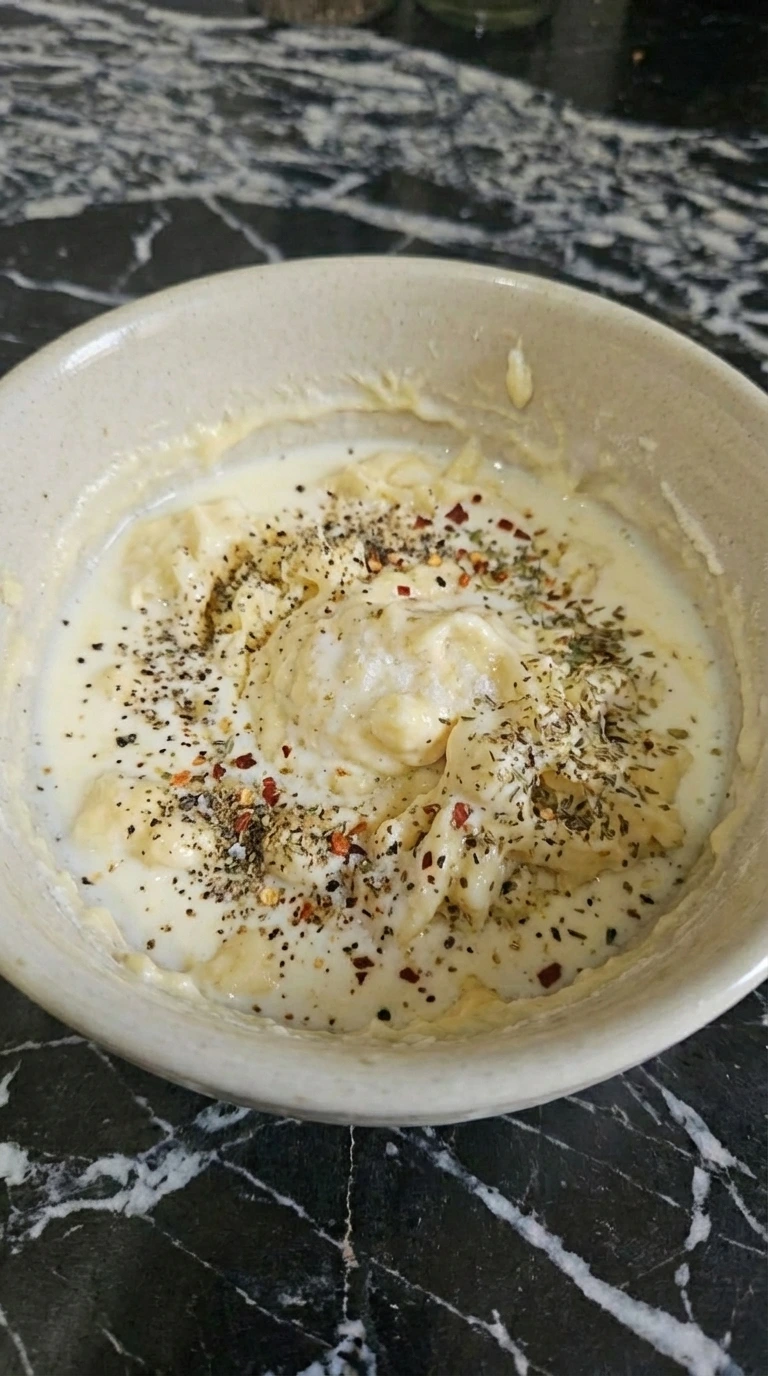
Sprinkle in the salt, pepper, and paprika evenly across the surface. Stir gently for about 1 to 2 minutes over medium-low heat until fully combined. You’ll see the color deepen slightly and smell the spices bloom. Miss this step or rush it and the sauce tastes flat instead of balanced.
Tip: Taste a small spoonful and adjust seasoning now, not later.
Step 5: Add Cheese to Sauce
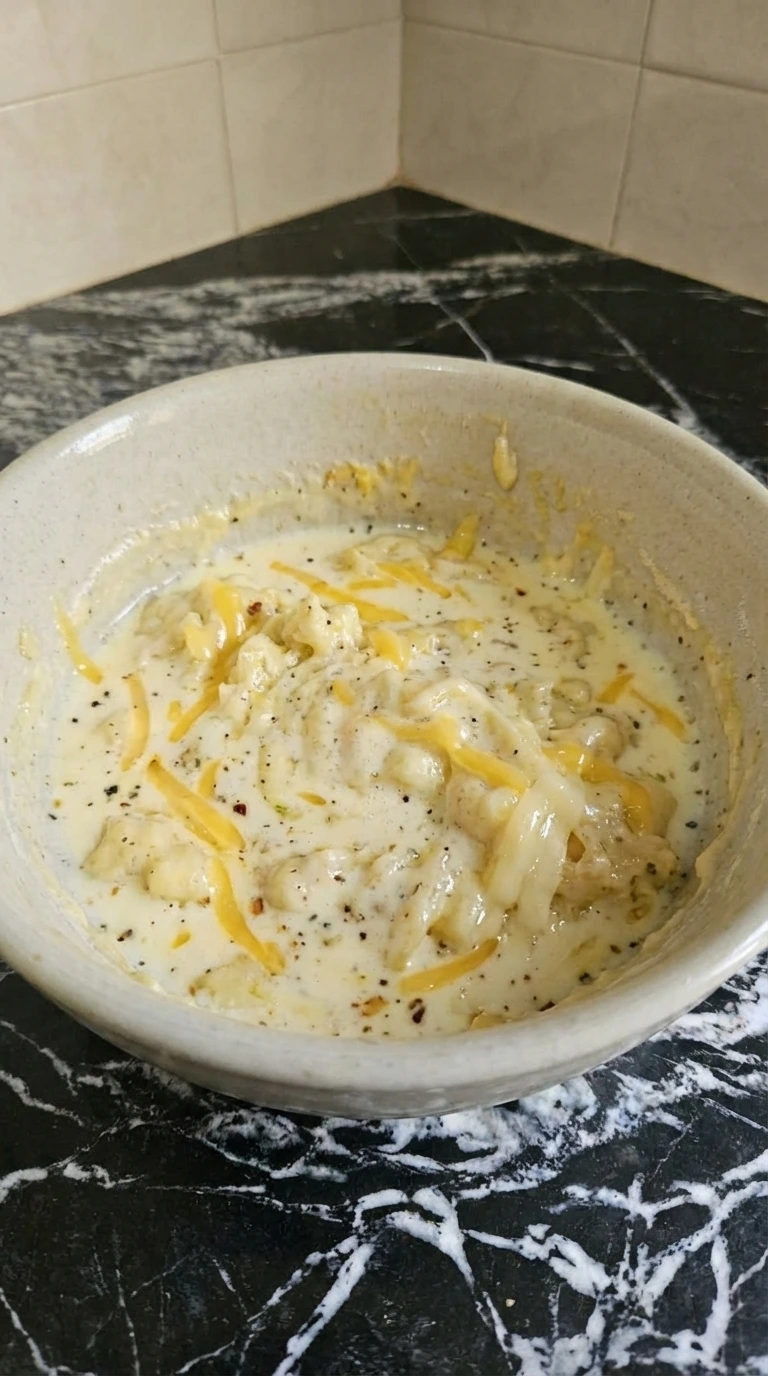
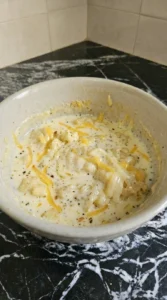
Add the shredded cheeses in handfuls while stirring constantly. Keep heat low, around 3 out of 10, and stir for 3 to 4 minutes until mostly melted. The sauce should turn glossy and stretchy. If the heat is too high, the cheese tightens and turns grainy instead of smooth. (I used to rush this part, and the sauce always broke. Low heat fixes it.)
Tip: Add cheese in batches instead of all at once.
Step 6: Mix Pasta into Sauce
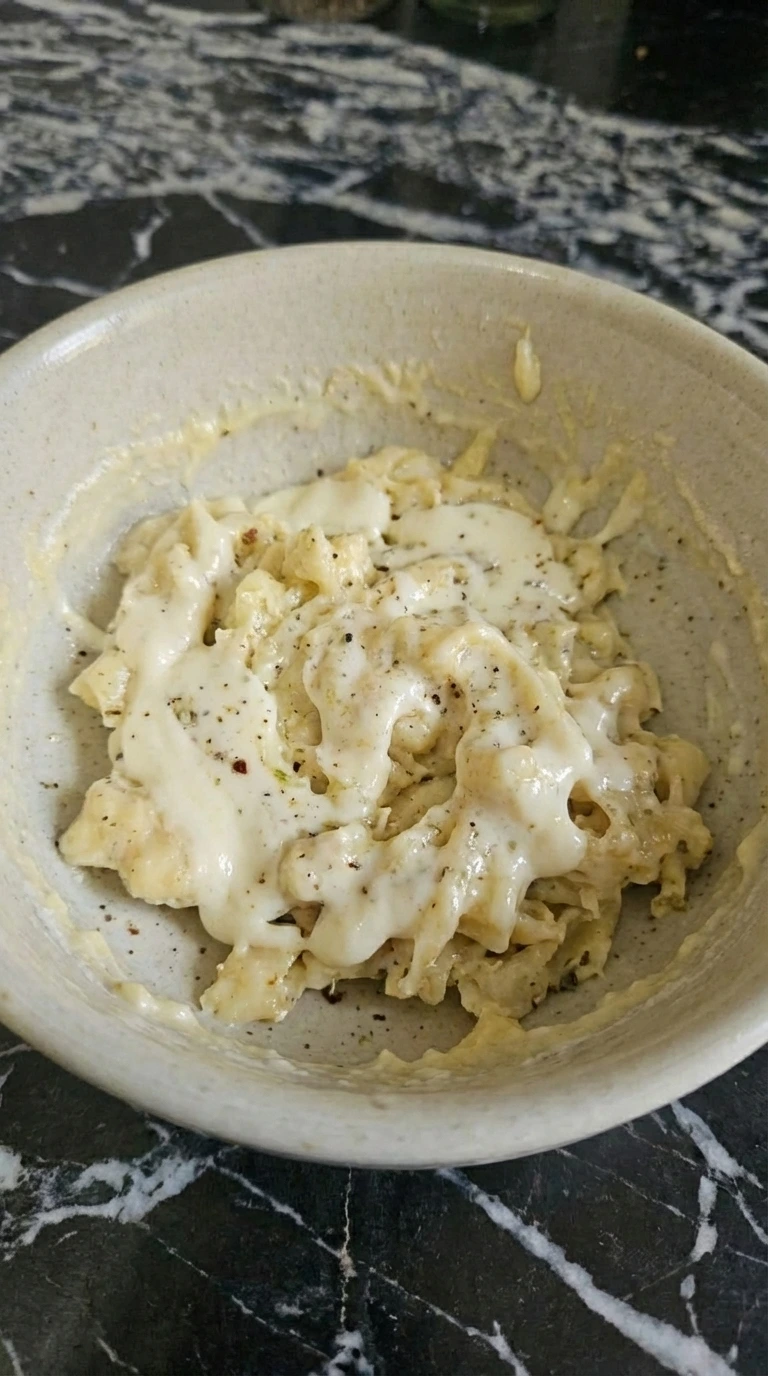
Add the cooked pasta and fold it in using a scooping motion from bottom to top. Do this for about 2 minutes so every piece gets coated. Keep everything warm, not hot. You’ll see the sauce cling to each noodle. If you stir too aggressively, the pasta breaks and the texture turns mushy.
Tip: Use a wide spoon or spatula for gentler mixing.
Step 7: Transfer to Baking Dish
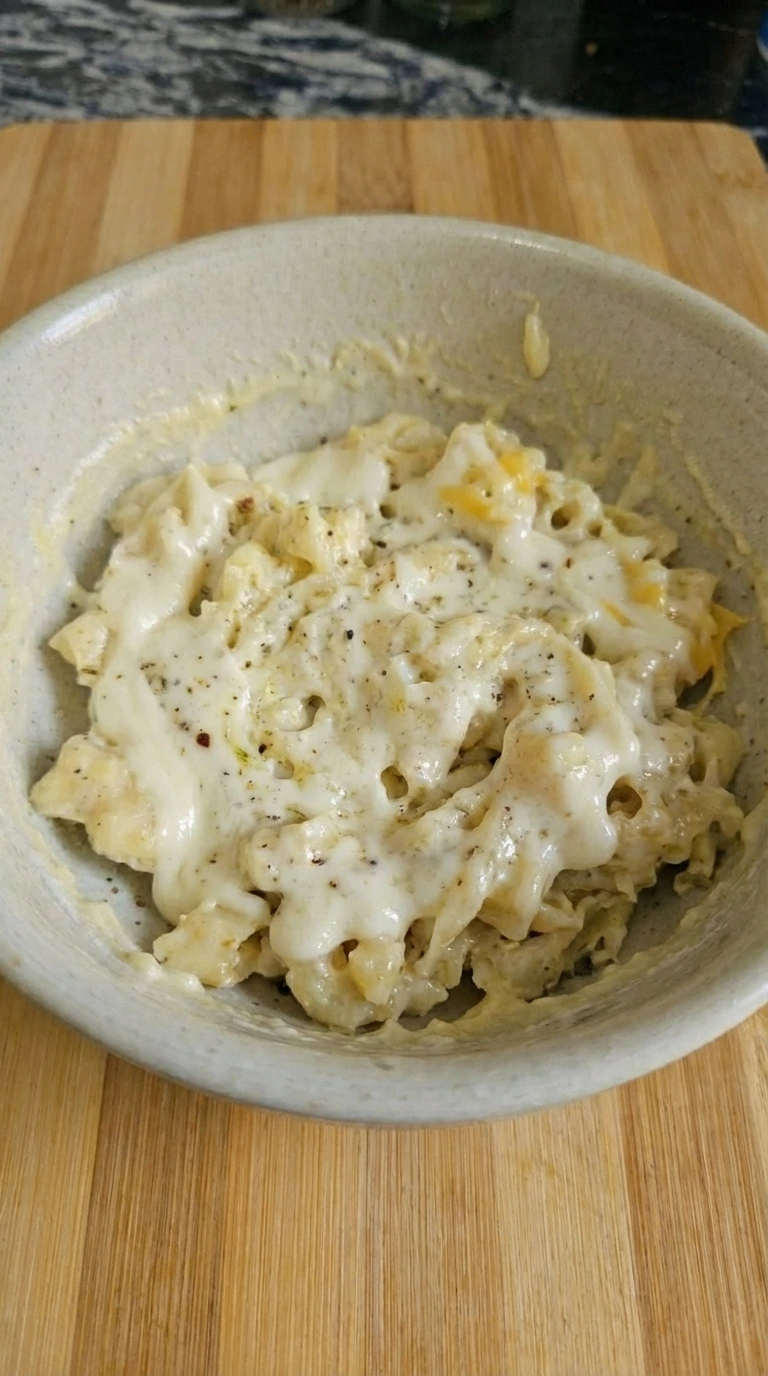
Spoon the mixture into a baking dish, letting it fall naturally into soft mounds. Don’t press it down. This takes about 2 minutes at room temp. You want a slightly uneven surface with visible sauce pockets. Pressing it flat makes the final dish dense and less creamy inside.
Tip: Use a lightly buttered dish to prevent sticking.
Step 8: Add Cheese and Breadcrumb Topping
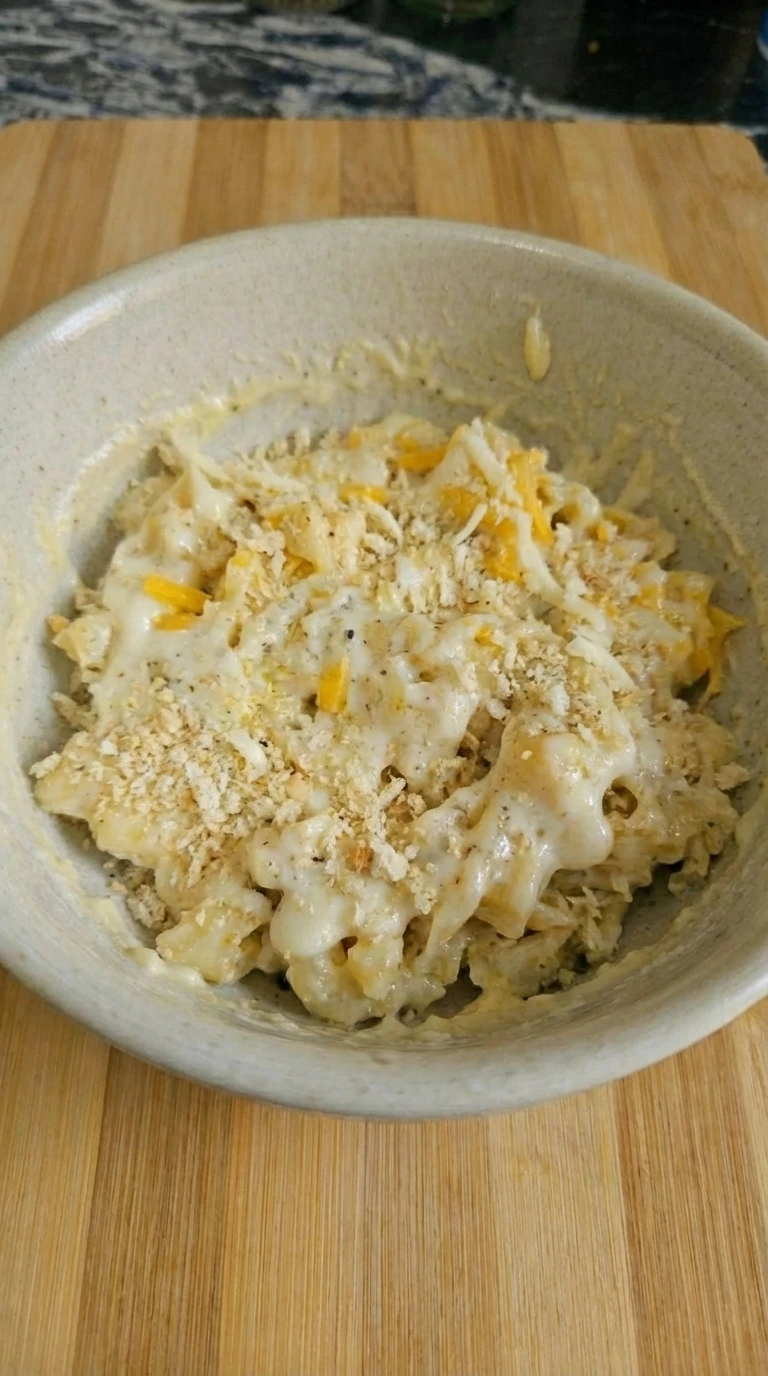
Scatter the remaining cheese and breadcrumbs loosely over the top. Don’t pack it down. This step takes about 1 minute before baking. Keep the topping uneven so it browns at different spots. Press it and you lose that mix of crunchy and soft texture.
Tip: Mix a little melted butter into breadcrumbs for extra crispness.
Step 9: Final Dish Ready
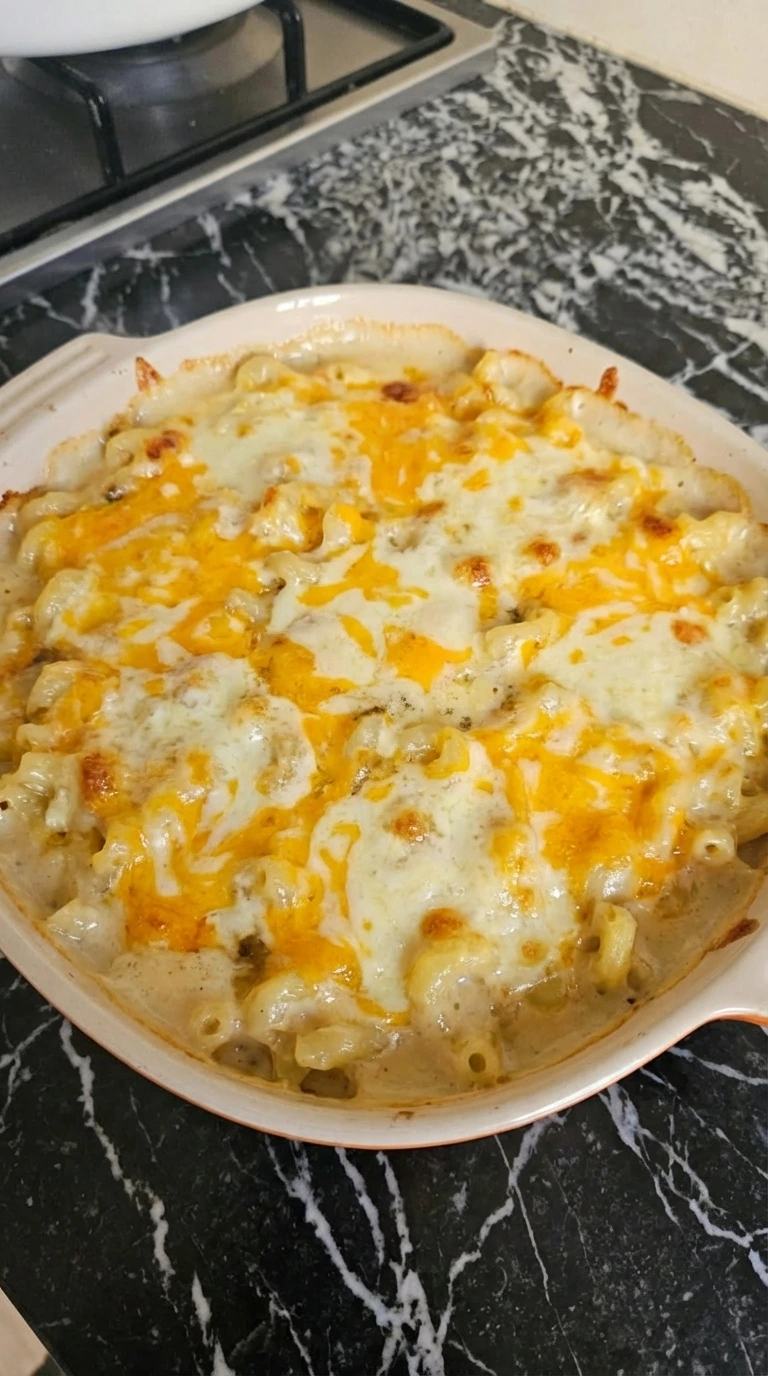
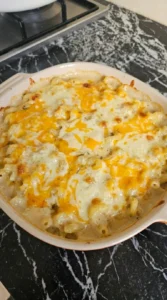
Bake in a preheated 375°F oven for 20 to 25 minutes. Rotate the dish once at minute 12 for even browning. You’ll know it’s done when the top turns golden with darker spots and the edges bubble slightly. Leave it in too long and the bottom dries out instead of staying creamy.
Tip: Let it sit for 5 minutes so the sauce sets slightly before serving.
Helpful Tips
- Blend two cheeses for better depth
- Mix just enough to keep it smooth
- Sprinkle toppings loosely, don’t pack them
- Let it rest so the sauce thickens properly
Substitutions & Variations
- milk: unsweetened almond milk — works but the sauce is slightly thinner and less rich
- heavy cream: half-and-half — still creamy but not as thick
- cheddar cheese: Colby or gouda — milder flavor, less sharp bite
- mozzarella cheese: provolone — melts well but has a stronger taste
- flour: gluten-free flour blend — works fine but texture may be slightly softer, pair with Healthy Quinoa Salad
How to Store
Store leftovers in an airtight container in the fridge for up to 3 days. Reheat gently in the oven at 325°F for about 10 to 15 minutes or microwave in short bursts so the sauce doesn’t separate.
Creamy Baked Mac and Cheese
Ingredients
- 2 cups elbow macaroni
- 2 cups shredded cheddar cheese
- 1 cup shredded mozzarella cheese
- 2 cups milk
- 1 cup heavy cream
- 3 tbsp softened butter
- 3 tbsp flour
- 1 tsp salt
- 1/2 tsp black pepper
- 1/2 tsp paprika
- 1/2 cup breadcrumbs
Instructions
-
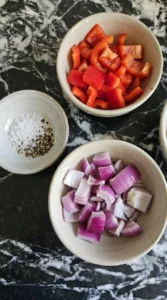
The pasta, cheeses, and liquids are placed into separate bowls, each with slightly uneven amounts and textures visible. The shredded cheese appears soft and fluffy, while the milk and cream sit still with a smooth surface. The butter looks slightly softened and irregular in shape, while the flour appears loosely piled. The ingredients are not perfectly aligned, giving a natural and casual preparation feel.
-
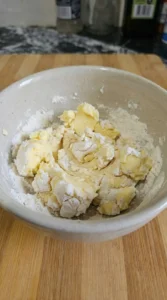
Softened butter and flour are added into a bowl together, appearing unevenly combined with visible lumps and streaks of flour. The mixture looks slightly crumbly at first. As mixing continues, the texture becomes smoother but still imperfect, with small pockets of flour remaining and a slightly thick paste forming.
-
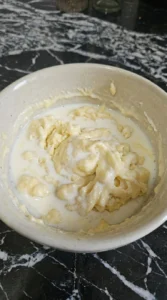
Milk and cream are poured over the butter-flour mixture, creating visible streaks and swirls. The liquid sits unevenly, partially soaking into the paste. As it is stirred, the mixture loosens and becomes smoother, though still slightly uneven with thicker and thinner areas forming a creamy base.
-
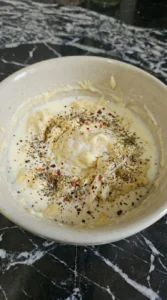
Salt, pepper, and paprika are sprinkled over the creamy mixture in uneven patches. The spices sit visibly on the surface before mixing. Once stirred, the sauce takes on a slightly warmer color with specks of seasoning distributed irregularly throughout.
-
Shredded cheeses are scattered over the sauce in uneven piles, with some areas heavily covered and others lightly sprinkled. As mixing continues, the cheese begins to soften and partially melt into the sauce, creating thick, stretchy sections while some shreds remain visible.
-
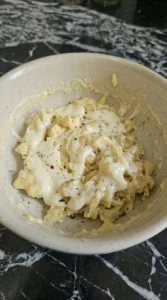
Cooked pasta is added into the bowl, landing unevenly across the thick sauce. Some pieces are more coated than others initially. As the mixture is folded, the pasta becomes increasingly coated, though the sauce clings unevenly, leaving some spots thicker than others.
-
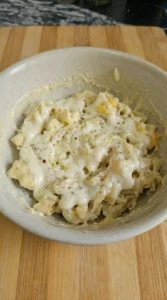
The coated pasta is spooned into a baking dish, falling in soft mounds rather than a flat layer. Some areas appear higher than others. The surface is slightly uneven, with visible sauce pooling in small pockets between pasta pieces.
-
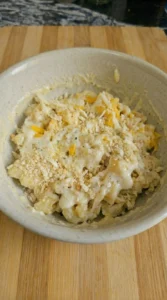
Remaining cheese is scattered loosely over the top, creating irregular patches. Breadcrumbs are sprinkled unevenly, with some areas more covered than others. The surface now shows a mix of textures, with soft cheese and dry crumbs sitting on top in a casual arrangement.
-
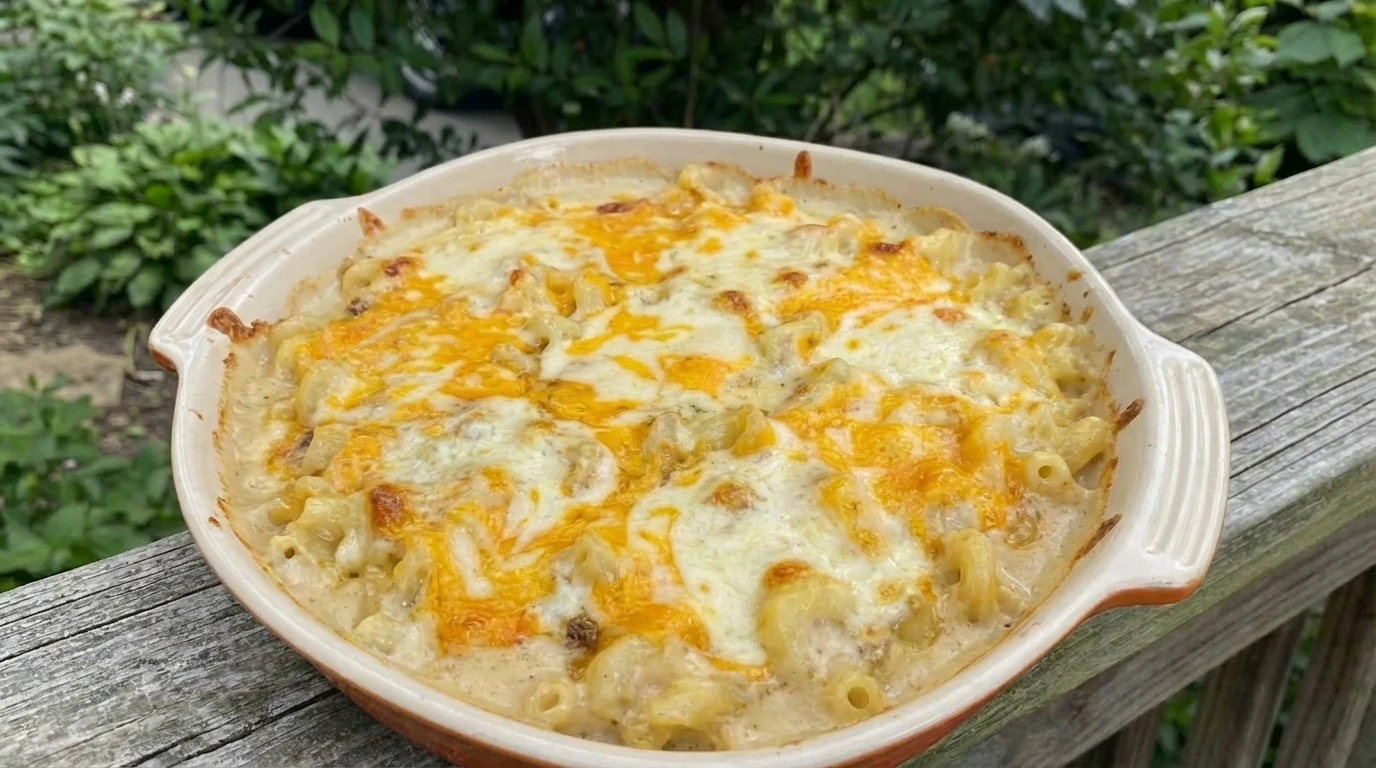
The dish now يظهر fully transformed, with melted cheese forming uneven golden patches across the top. Some areas appear slightly darker, while others remain creamy and soft. The sauce is visibly thick and rich between the pasta, with a slightly browned, textured surface that looks homemade and inviting.
Notes
Questions I Get Asked
Yes, assemble everything and store it covered in the fridge. Bake at 375°F for 25 to 30 minutes when ready. You may need a few extra minutes since it starts cold.
The heat was likely too high when adding cheese. Keep it low and stir steadily. High heat causes the cheese to tighten instead of melt smoothly.
You can, but the texture changes. Freeze before baking for best results. Thaw overnight and bake fresh so it stays creamy.
Wrap Up
This mac and cheese hits that perfect balance of creamy and baked.
It’s simple, but when you follow the steps closely, it really shows.
Try it alongside something fresh like the Quinoa Veggie Bowl and you’re set.
The earliest written recipe for baked macaroni and cheese dates back to a 14th-century Italian cookbook called Liber de Coquina.