Spaghetti and Meatballs
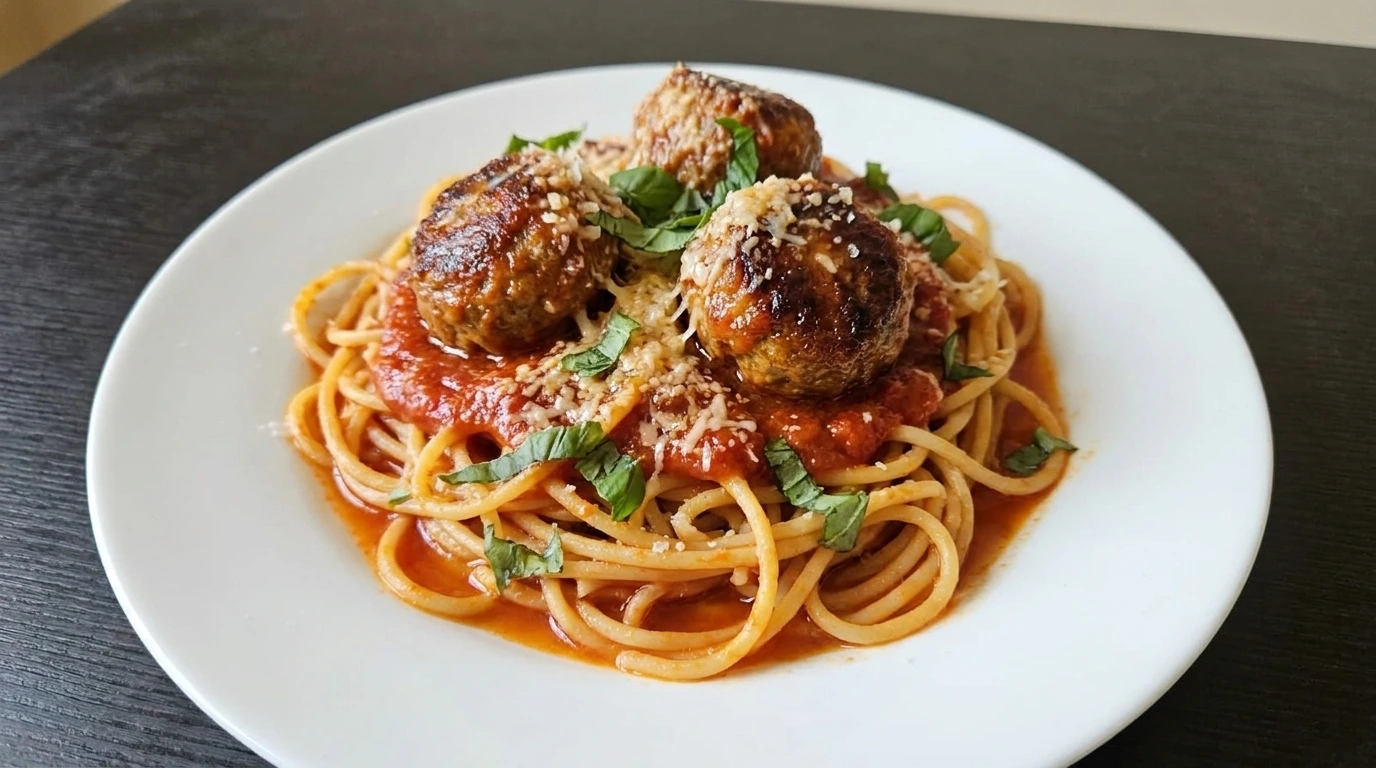
Some nights you just want dinner to feel settled. A pot on the stove, something warm, nothing complicated. This is that kind of meal. The sauce clings to the pasta, the meatballs stay soft inside, and everything lands right where it should.
If you’re in the mood for another cozy option, try the Creamy Tomato Pasta too. And once you’ve made this a couple times, it becomes automatic.
You don’t overthink it. You just cook.
Why You Will Love This
Letting the meatballs brown at medium heat builds a crust that holds them together later in the sauce. Keeping the sauce at a gentle 200°F simmer prevents it from breaking and keeps the texture smooth. Finishing the pasta directly in the sauce helps starch bind everything so it actually coats instead of sliding off.
Ingredient List
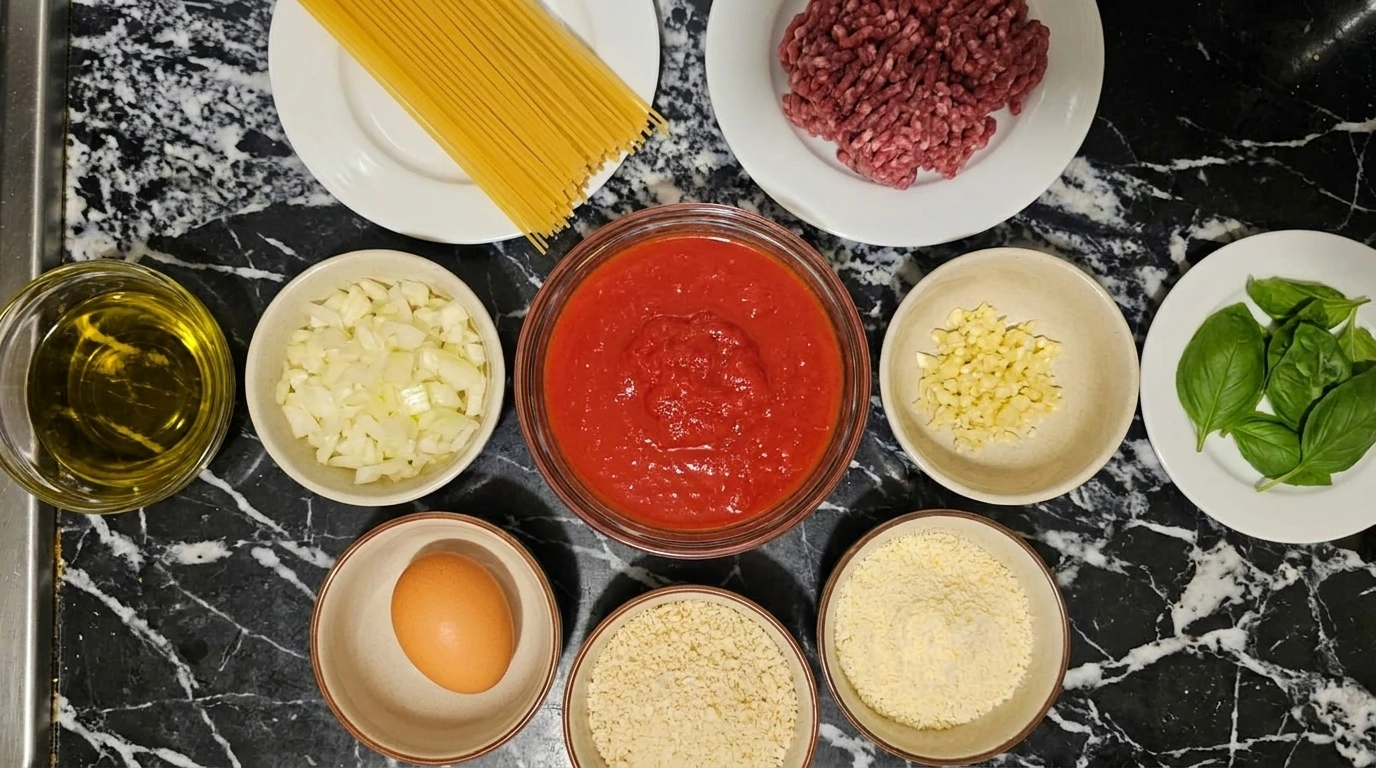
- dried spaghetti pasta: Classic long pasta that cooks evenly and holds sauce when left slightly firm at the center.
- ground beef chuck: Around 80/20 fat ratio so the meatballs stay moist and don’t dry out.
- fresh garlic cloves: Finely minced so it blends evenly into both the meat mixture and sauce.
- yellow onion: Cut small so it softens quickly and melts into the sauce without chunks.
- canned crushed San Marzano tomatoes: Smooth, slightly sweet tomatoes that create a balanced sauce base.
- fresh basil leaves: Torn by hand right before serving for the brightest flavor.
- large chicken egg: Lightly beaten so it distributes evenly and binds the meatballs.
- panko breadcrumbs: Light crumbs that keep the meatballs tender instead of dense.
- grated Parmigiano Reggiano cheese: Finely grated so it melts into the mixture and adds saltiness.
- extra virgin olive oil: Used to brown the meatballs and start the sauce with good flavor.
Kitchen Equipment
Instructions
Step 1: Mix and shape the meatballs
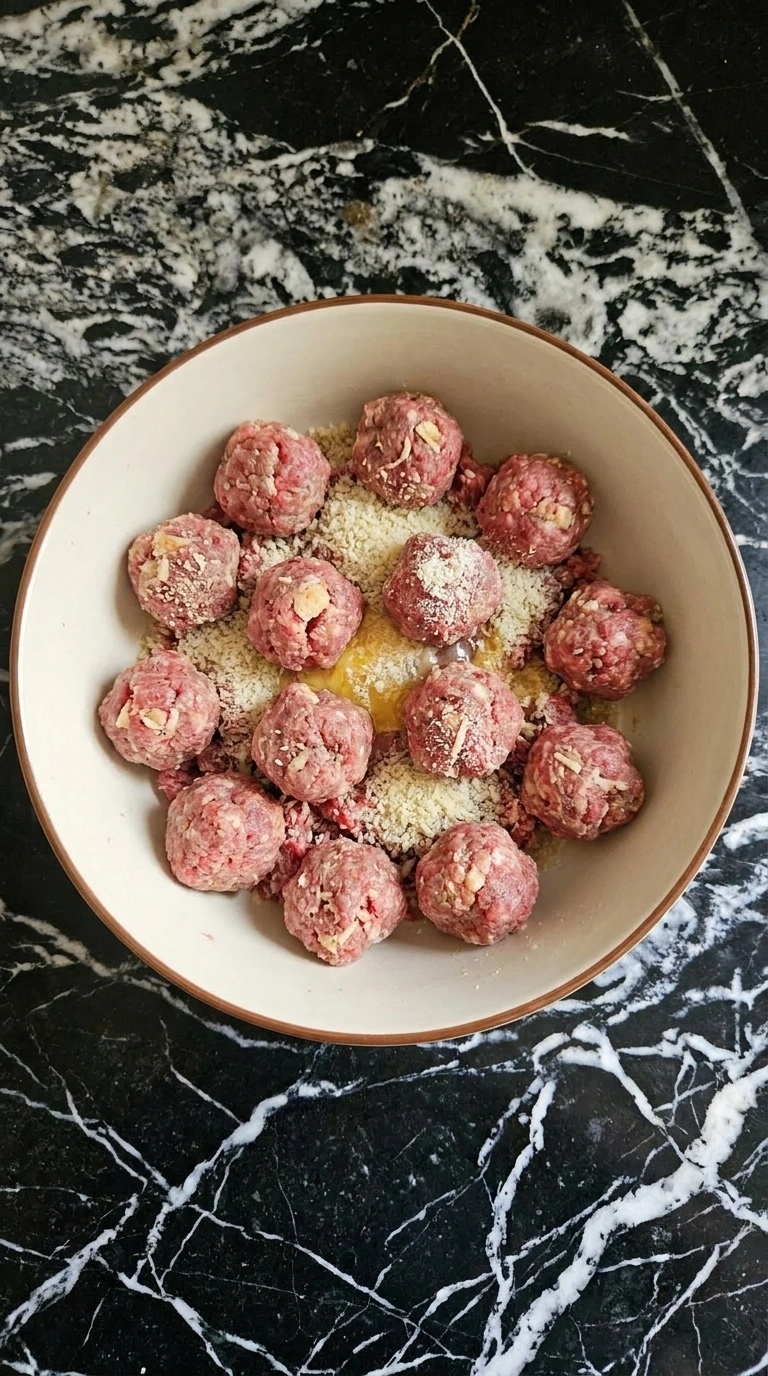
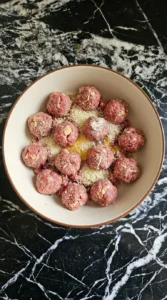
In a bowl, combine the beef, egg, breadcrumbs, cheese, and garlic at room temperature about 68°F. Mix with your hands for 60 to 90 seconds using a folding motion, like turning the mixture over itself. Don’t squeeze. It should feel soft but hold when pressed. If you overwork it, the meat turns tight and the meatballs cook up dense. Shape into balls about 1.5 inches wide, rolling lightly between your palms for 20 to 30 seconds each. You’ll see a slightly rough surface and that’s right. Smooth means overmixed. Let them sit at room temperature for 5 minutes so they cook evenly. If they go in cold, they can split before they brown.
Tip: Keep the size consistent so they cook at the same rate.
Step 2: Brown the meatballs
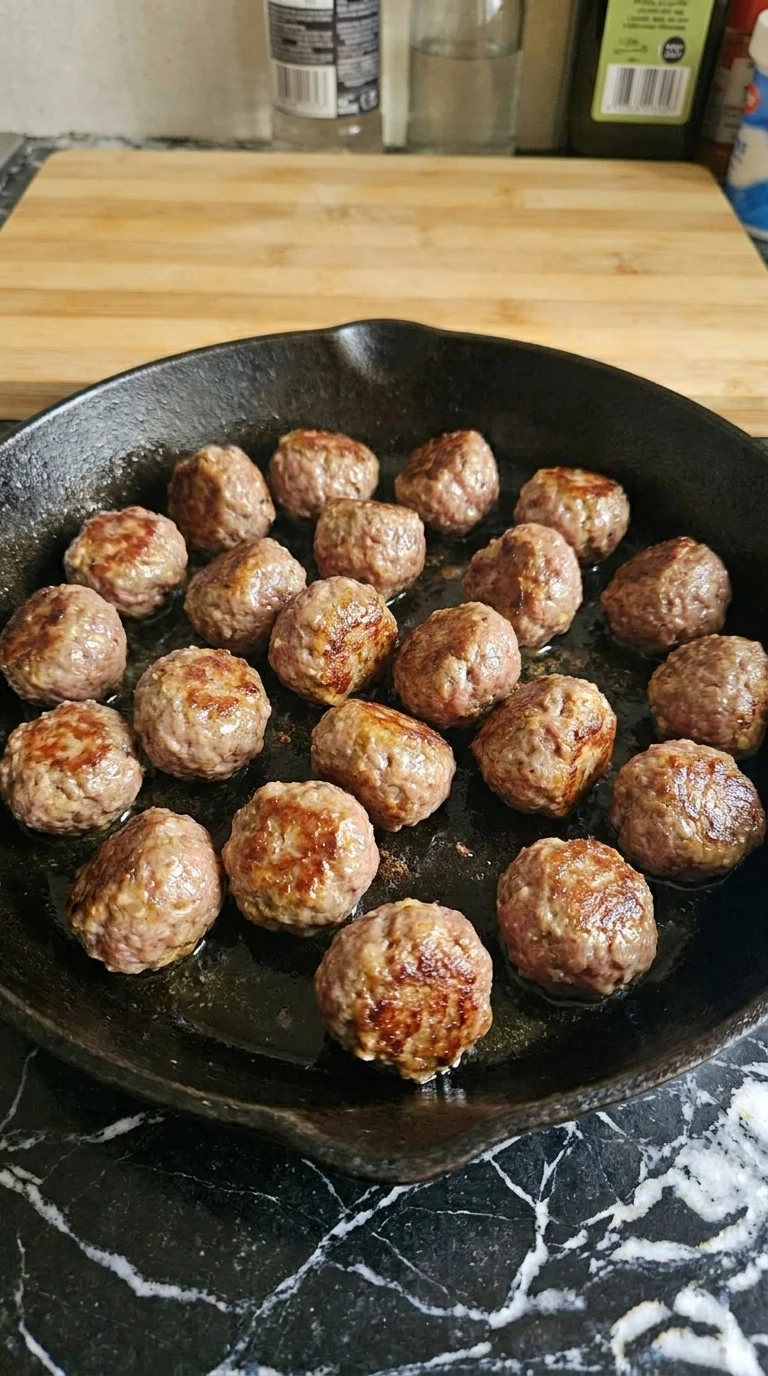
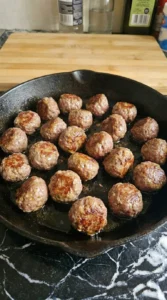
Heat olive oil over medium heat, about 5 on a 10 dial, for 2 minutes until it shimmers. Place the meatballs in with space between them and leave them untouched for 2 to 3 minutes. You should hear a steady sizzle and see the bottoms turning deep golden. Turn them gently with tongs every 2 minutes for 8 to 10 minutes total. Rotate, don’t poke. The crust builds flavor and keeps them together later. Miss this and they can fall apart in the sauce. (I used to flip them too soon and they tore. Waiting fixed it.)
Tip: Use a wide pan so heat stays even and they brown instead of steam.
Step 3: Simmer the tomato sauce
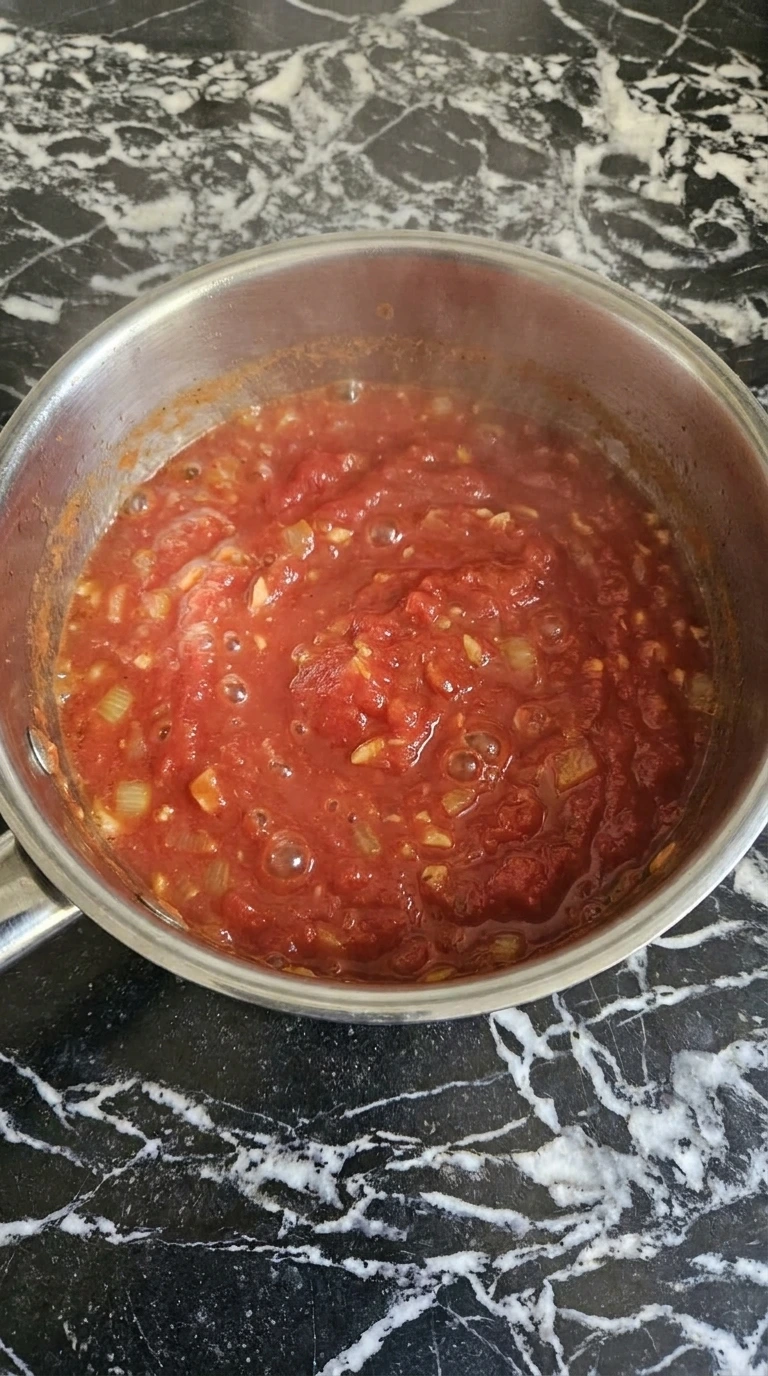
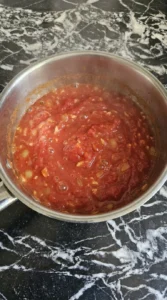
Lower the heat to medium-low, about 4 on a 10 dial. Add onion and cook for 5 to 6 minutes, stirring every minute until soft and lightly golden. Add garlic and stir for 30 seconds until you smell it bloom. Pour in the tomatoes and bring to a gentle simmer around 200°F. Small bubbles should rise slowly, not boil. Let it cook for 12 to 15 minutes, stirring every few minutes and scraping the bottom once at minute 6. The sauce thickens and coats the back of a spoon. If it boils too hard, it turns sharp and can separate.
Tip: Use a wooden spoon to scrape the bottom so nothing sticks and burns.
Step 4: Cook the spaghetti
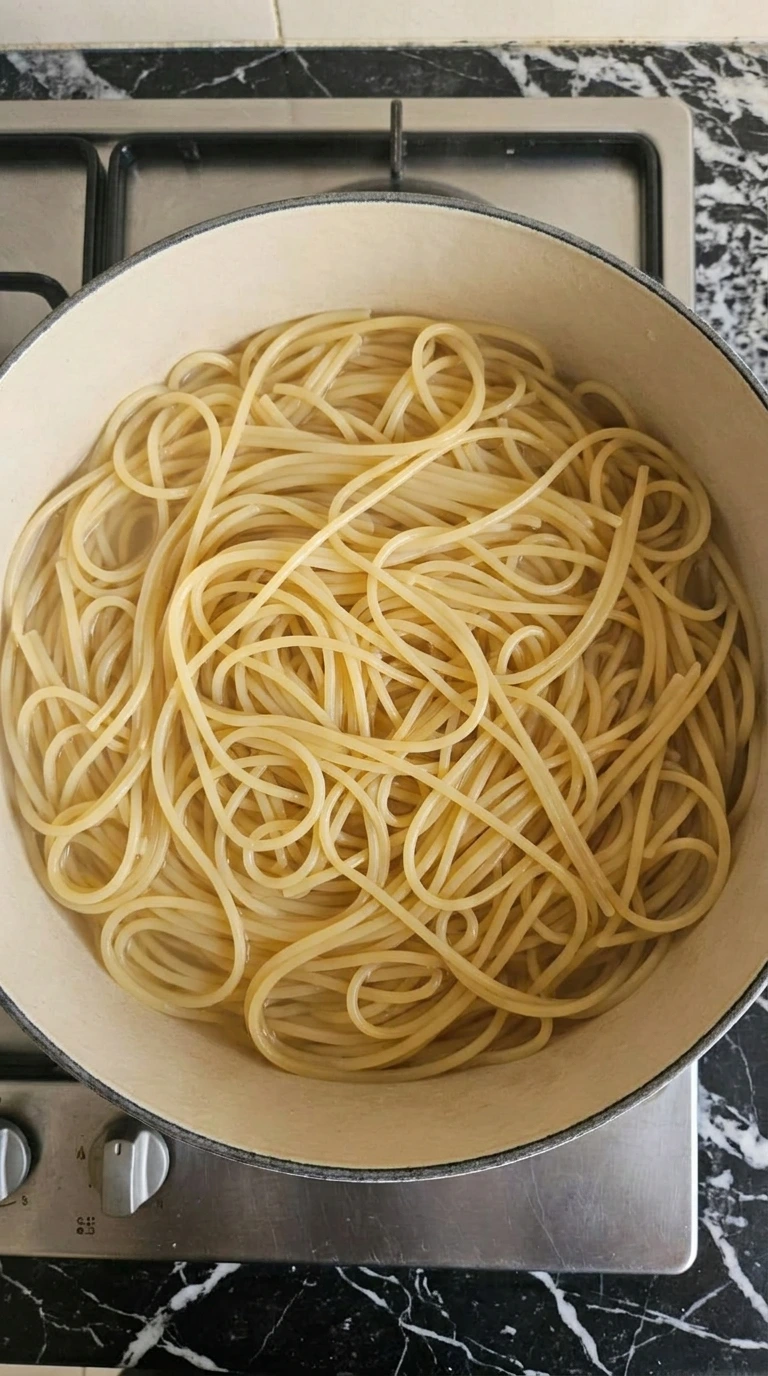
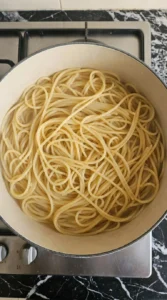
Bring a large pot of salted water to a rolling boil at 212°F. Add the spaghetti and stir right away for 10 seconds so it doesn’t clump. Cook for 8 to 10 minutes, giving it a quick stir at minute 4. At minute 8, pull a strand and bite. It should have a slight bite in the center. That’s al dente. You’ll feel resistance but no crunch. Overcook it and it goes soft and won’t hold sauce. Drain but don’t rinse so the starch stays on the surface.
Tip: Reserve a cup of pasta water before draining.
Step 5: Combine pasta and sauce
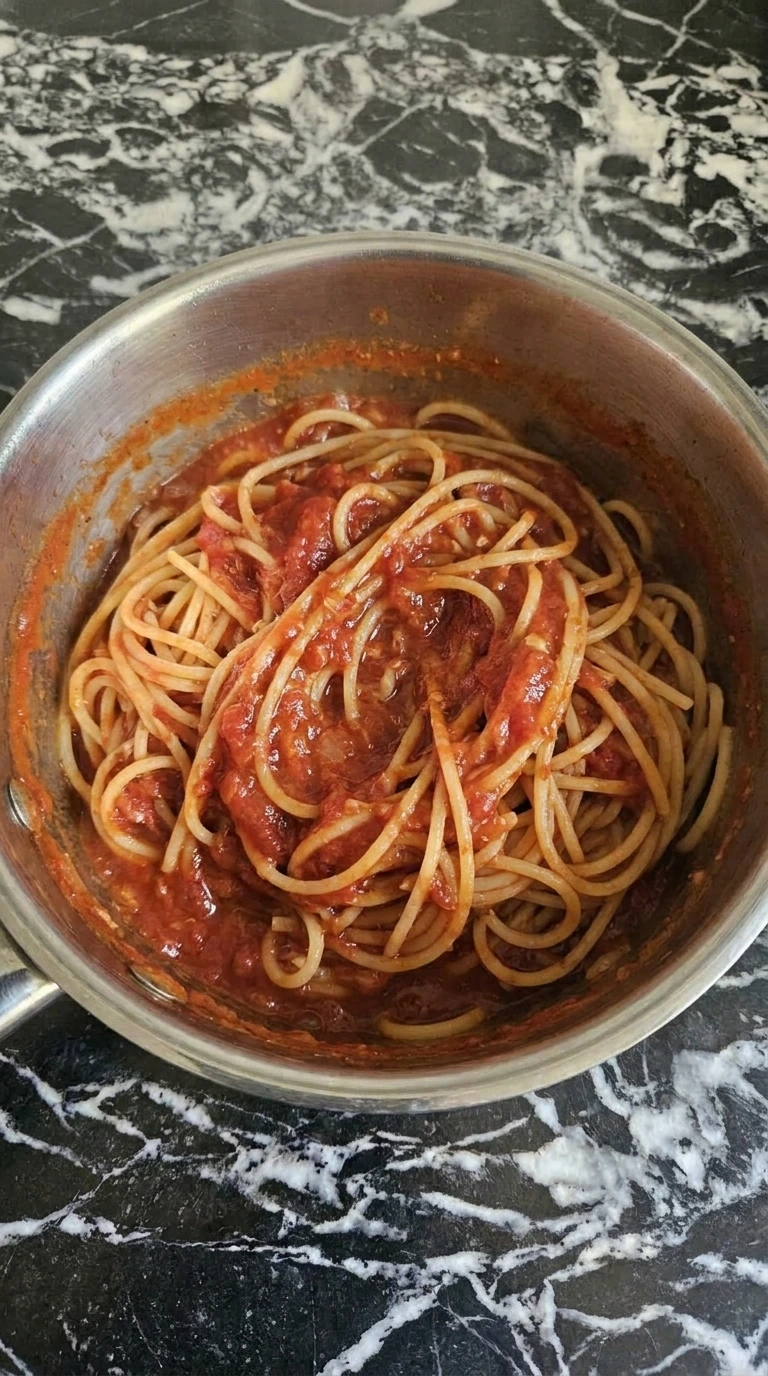
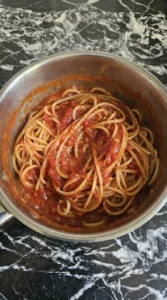
Add the drained spaghetti straight into the simmering sauce over low heat, about 3 on a 10 dial. Toss with tongs using a lifting and folding motion for 1 to 2 minutes. Keep the pasta moving so it absorbs the sauce evenly. You’ll see the strands turn glossy and evenly coated. If it looks dry, add a splash of pasta water and toss again. Skip this step and the sauce just sits on top instead of soaking in.
Tip: Keep the heat low so the sauce doesn’t tighten while tossing.
Step 6: Add meatballs and finish
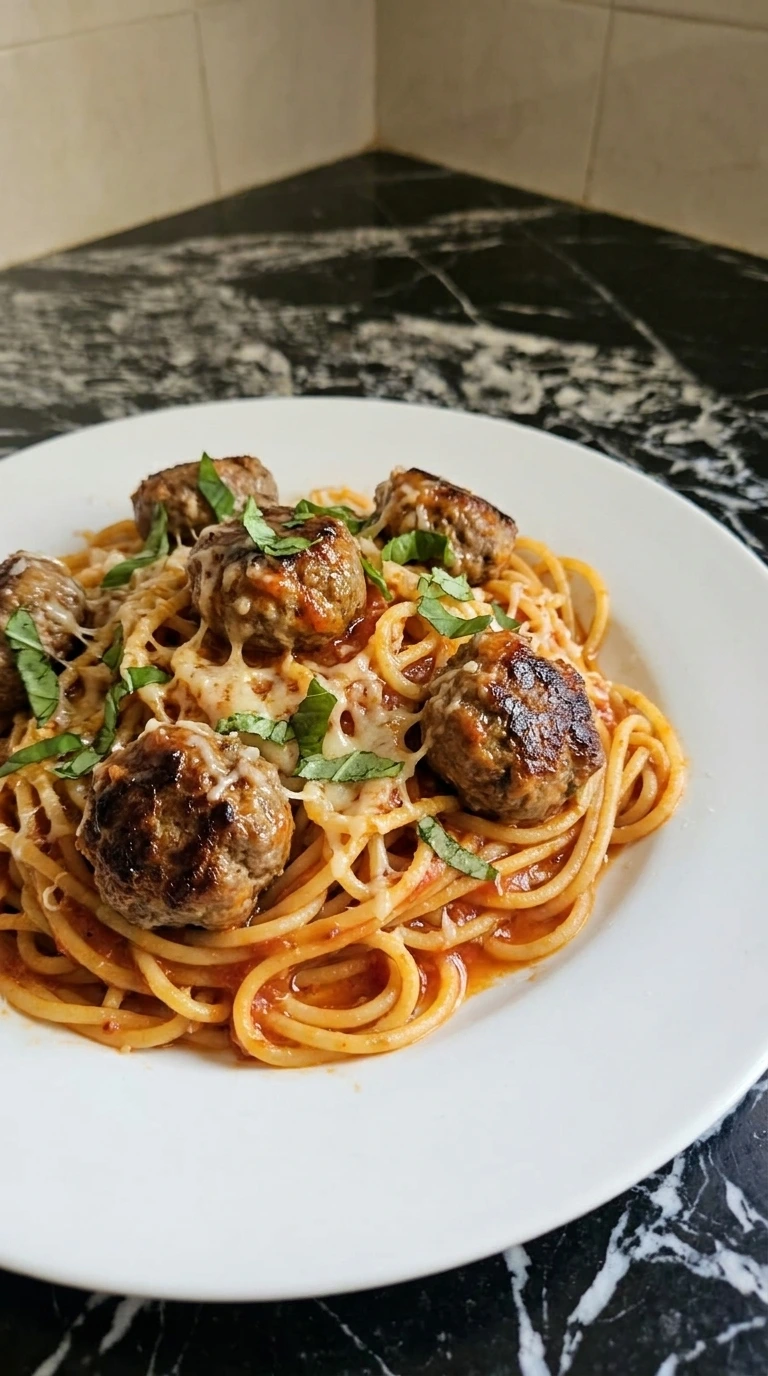
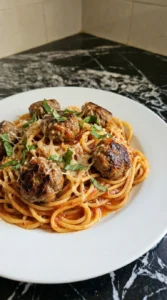
Return the meatballs to the pan over low heat, about 3 on a 10 dial. Spoon sauce over them and let everything warm together for 5 minutes. The sauce should gently bubble around them, not boil. Sprinkle grated cheese and let it melt for about 1 minute. Add torn basil right at the end and give one light toss. You’ll smell it immediately. Add it too early and it fades into the sauce instead of staying bright.
Tip: Let it rest for 2 minutes before serving so the sauce settles onto the pasta.
My Best Tips
- Add basil at the very end for the best aroma
- Give meatballs space so they brown instead of steam
- Let the sauce simmer a bit longer for deeper flavor
- Save pasta water to adjust the sauce texture
Make It Your Own
- ground beef chuck: ground turkey — lighter flavor and slightly drier, so season a bit more
- panko breadcrumbs: gluten-free breadcrumbs — works fine but texture is slightly softer
- Parmigiano Reggiano: nutritional yeast — good dairy-free option but less depth
- spaghetti: zucchini noodles — lower carb but won’t absorb sauce the same way
- San Marzano tomatoes: regular crushed tomatoes — slightly more acidic, you may want a pinch of sugar. Try with One Pot Chicken Alfredo Pasta if you want a richer sauce instead
How to Store
Store leftovers in a sealed container in the fridge for up to 3 days. The sauce will thicken as it sits and that’s normal. Reheat over low heat for 5 to 7 minutes, stirring occasionally. Add a splash of water to loosen the sauce so it coats again instead of clumping.
Spaghetti and Meatballs
Ingredients
- dried spaghetti pasta
- ground beef chuck
- fresh garlic cloves
- yellow onion
- canned crushed San Marzano tomatoes
- fresh basil leaves
- large chicken egg
- panko breadcrumbs
- grated Parmigiano Reggiano cheese
- extra virgin olive oil
Instructions
- In a bowl, combine the beef, egg, breadcrumbs, cheese, and garlic at room temperature about 68°F. Mix with your hands for 60 to 90 seconds using a folding motion, like turning the mixture over itself. Don’t squeeze. It should feel soft but hold when pressed. If you overwork it, the meat turns tight and the meatballs cook up dense. Shape into balls about 1.5 inches wide, rolling lightly between your palms for 20 to 30 seconds each. You’ll see a slightly rough surface and that’s right. Smooth means overmixed. Let them sit at room temperature for 5 minutes so they cook evenly. If they go in cold, they can split before they brown.
- Heat olive oil over medium heat, about 5 on a 10 dial, for 2 minutes until it shimmers. Place the meatballs in with space between them and leave them untouched for 2 to 3 minutes. You should hear a steady sizzle and see the bottoms turning deep golden. Turn them gently with tongs every 2 minutes for 8 to 10 minutes total. Rotate, don’t poke. The crust builds flavor and keeps them together later. Miss this and they can fall apart in the sauce. (I used to flip them too soon and they tore. Waiting fixed it.)
- Lower the heat to medium-low, about 4 on a 10 dial. Add onion and cook for 5 to 6 minutes, stirring every minute until soft and lightly golden. Add garlic and stir for 30 seconds until you smell it bloom. Pour in the tomatoes and bring to a gentle simmer around 200°F. Small bubbles should rise slowly, not boil. Let it cook for 12 to 15 minutes, stirring every few minutes and scraping the bottom once at minute 6. The sauce thickens and coats the back of a spoon. If it boils too hard, it turns sharp and can separate.
- Bring a large pot of salted water to a rolling boil at 212°F. Add the spaghetti and stir right away for 10 seconds so it doesn’t clump. Cook for 8 to 10 minutes, giving it a quick stir at minute 4. At minute 8, pull a strand and bite. It should have a slight bite in the center. That’s al dente. You’ll feel resistance but no crunch. Overcook it and it goes soft and won’t hold sauce. Drain but don’t rinse so the starch stays on the surface.
- Add the drained spaghetti straight into the simmering sauce over low heat, about 3 on a 10 dial. Toss with tongs using a lifting and folding motion for 1 to 2 minutes. Keep the pasta moving so it absorbs the sauce evenly. You’ll see the strands turn glossy and evenly coated. If it looks dry, add a splash of pasta water and toss again. Skip this step and the sauce just sits on top instead of soaking in.
- Return the meatballs to the pan over low heat, about 3 on a 10 dial. Spoon sauce over them and let everything warm together for 5 minutes. The sauce should gently bubble around them, not boil. Sprinkle grated cheese and let it melt for about 1 minute. Add torn basil right at the end and give one light toss. You’ll smell it immediately. Add it too early and it fades into the sauce instead of staying bright.
Notes
Questions I Get Asked
Yes, you can. It stays similar in texture but the flavor is lighter. Add a bit more seasoning so it doesn’t taste flat.
Yes, after browning. Let them cool fully, then freeze for up to 2 months. Reheat them directly in sauce so they stay moist.
Spaghetti is classic because it holds sauce well. Linguine or fettuccine work too but feel a bit heavier.
Yes, and it actually improves. Store it in the fridge for up to 3 days and reheat gently before using.
Usually they weren’t browned long enough or the mixture was too loose. Let them form a crust before turning.