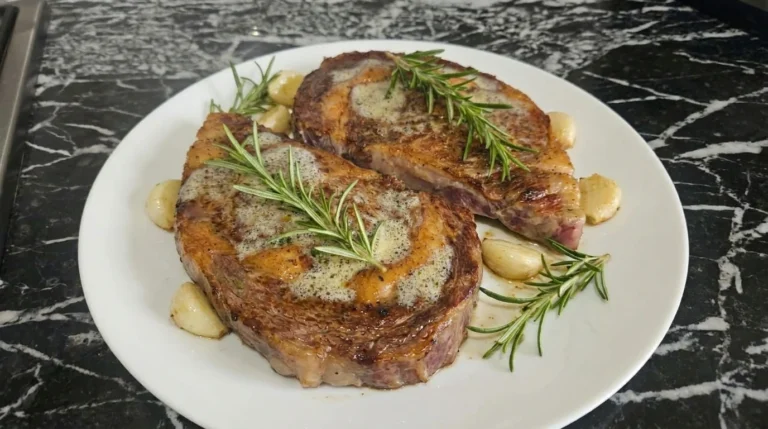
Steak with Garlic Butter
This is the kind of thing I wish I’d learned sooner. The first time I made it was for a quiet anniversary dinner back in 2020, when we couldn’t go out, and I overcooked the meat by almost 10 minutes. It was still the best part of the meal somehow. That’s when I realized this recipe is way more forgiving than most people admit.
Since then I’ve made it for big holiday dinners, random Tuesday nights when friends dropped by, and even for a potluck where people kept asking if I’d ordered it from a steakhouse. If you love rich and savory flavors, you should definitely try serving this alongside my Honey Glazed Ham for a massive feast. It’s juicy, packed with flavor, and genuinely simple even if the technique feels a bit professional. But the real magic happens when the butter hits the pan and starts to foam up.
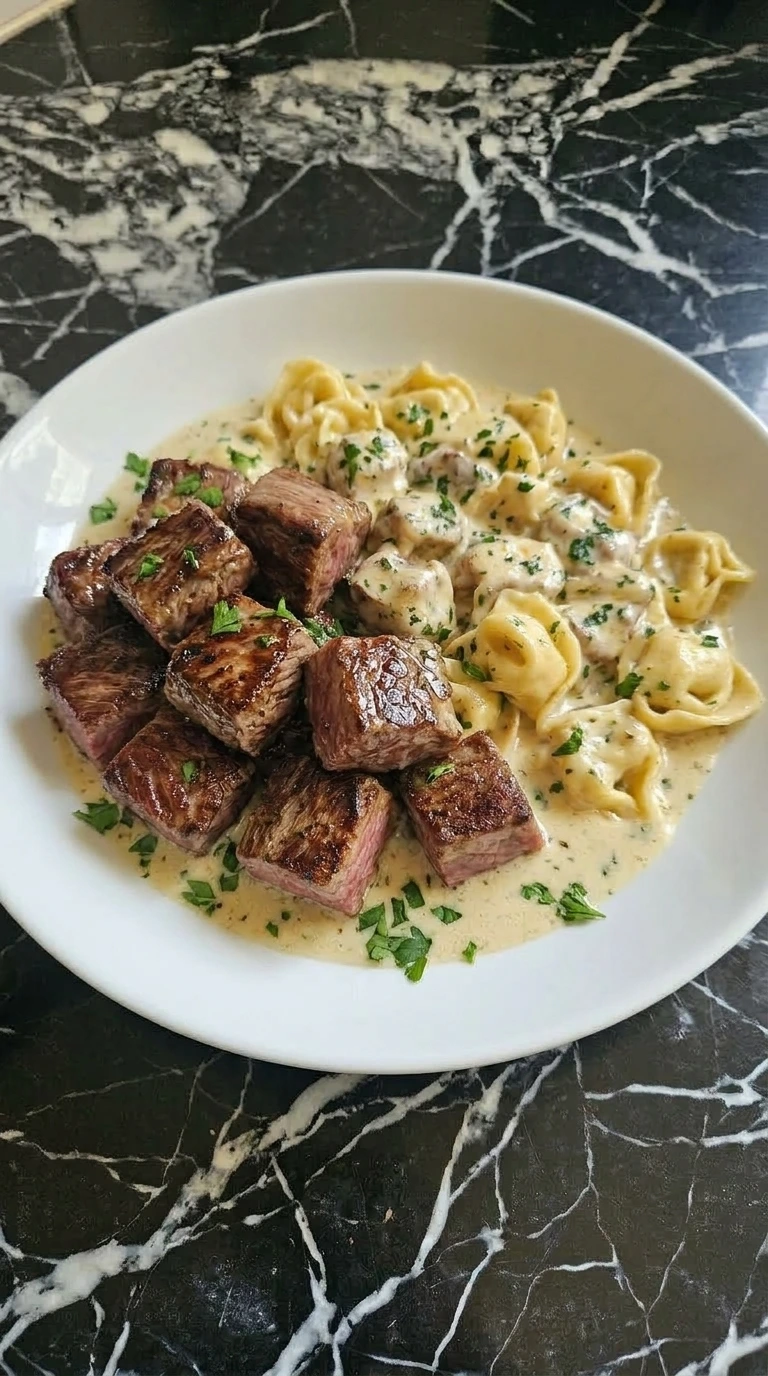
It picks up all those little browned bits from the beef and creates a sauce that you’ll want to pour over everything. And because we’re using tenderloin, it stays soft and buttery every single time.
Why You’ll Love It
The high-heat sear in a cast iron skillet triggers the Maillard reaction, which develops deep savory flavors and a crisp crust. This creates a flavorful base for the sauce when the butter and cream are added later.
Using beef tenderloin ensures the meat remains soft and easy to chew even after the quick cooking process. This cut is perfect for steak bites because it doesn’t have the tough gristle found in cheaper cuts like sirloin.
For a perfect side, you might even pair this with my Coleslaw to add a cool and crunchy contrast to the rich meat.
Ingredient List
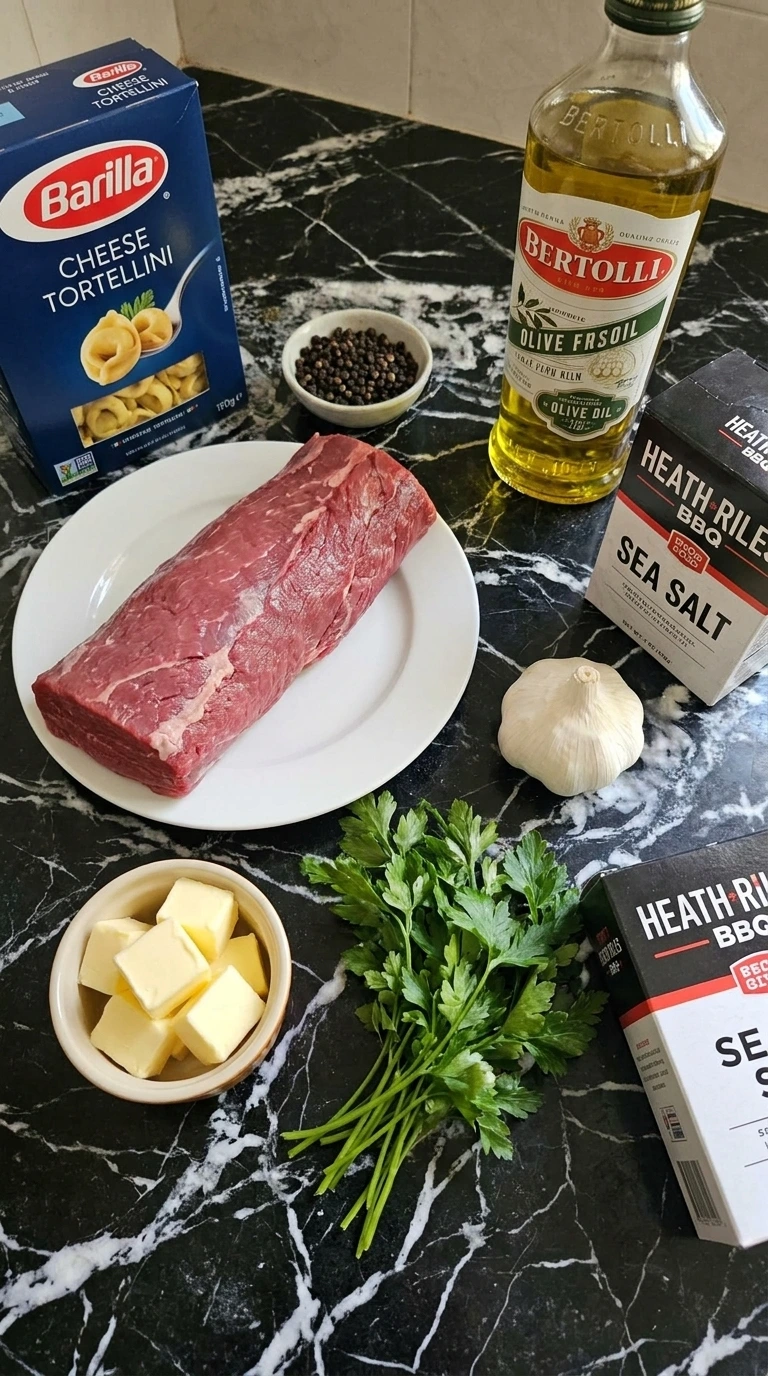
- beef tenderloin: Cut into 1.5-inch cubes. This lean and tender cut stays soft even with a high-heat sear.
- unsalted butter: Cold and cut into cubes for even melting. It forms the base of the rich garlic sauce.
- garlic clove: Finely minced to release the oils and flavor into the butter.
- heavy cream: Full-fat cream for a thick and stable sauce that won’t break when heated.
- cheese tortellini: Pre-cooked according to package directions. It adds a hearty element to the meal.
- olive oil: Used for searing the meat. It has a higher smoke point than butter.
- fresh parsley: Finely chopped for a fresh finish and a pop of color.
- sea salt: Used to season the raw meat and enhance the savory beef flavor.
- black pepper: Freshly cracked for a subtle heat that cuts through the rich butter.
The Gear
- 12-inch cast iron skillet: A heavy-bottomed cast iron skillet holds heat better than stainless steel — this is crucial for getting a dark crust on the steak without overcooking the center.
- Chef’s knife: An 8-inch sharp chef’s knife allows for clean cuts through the beef tenderloin so the pieces stay juicy and don’t tear while cooking.
Directions
Step 1: Slice the beef tenderloin
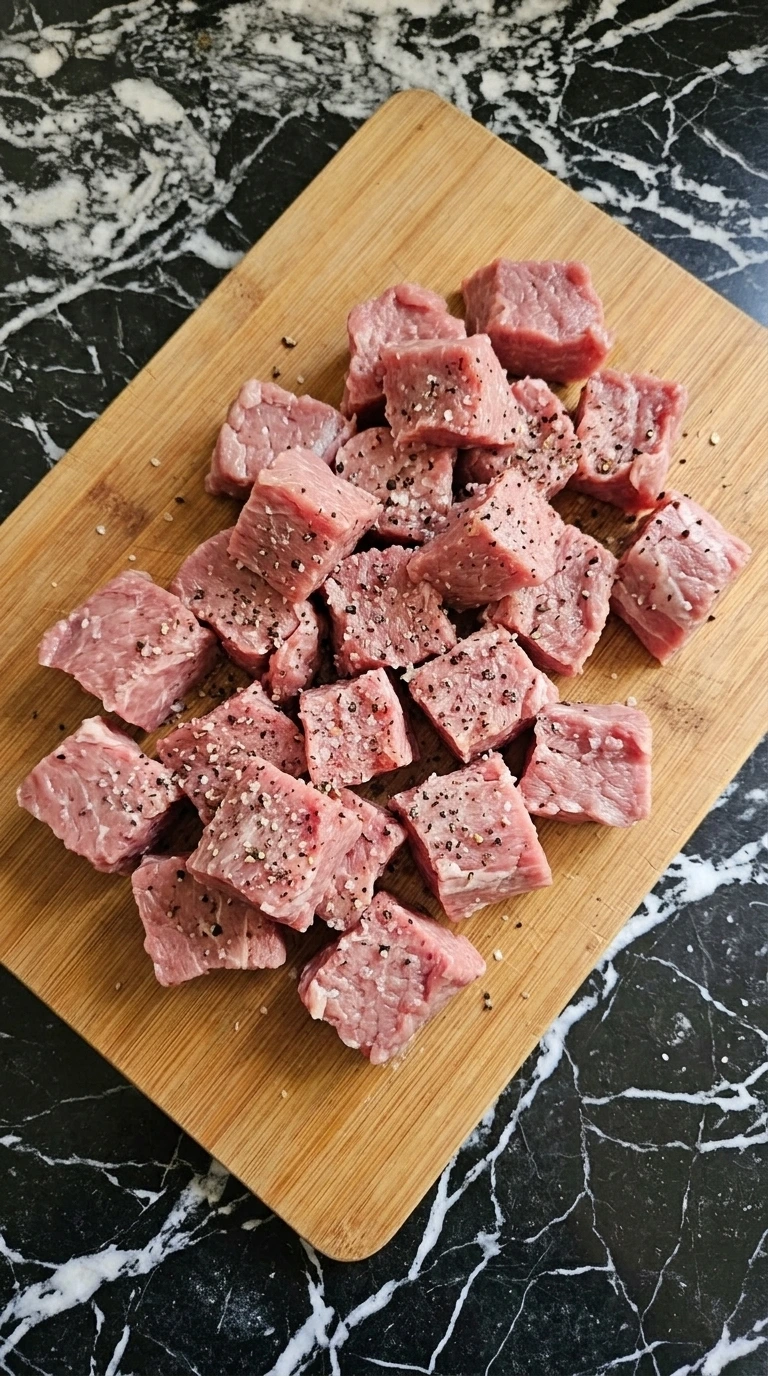
Start by patting the beef tenderloin dry with paper towels so you get a better sear. Use a sharp chef’s knife to cut the meat into 1. 5-inch cubes. Try to keep them as uniform as possible so they cook at the same rate.
(I tried using smaller 1-inch cubes once, they overcooked before I could even get the butter in the pan. Stick to the 1. 5-inch size for the best medium-rare center. ) Season the cubes heavily with sea salt and cracked black pepper on all sides.
This salt helps draw out moisture but it also creates that beautiful crust we want later. Cut the meat into uniform pieces, it ensures every bite reaches 135°F at the exact same time.
Tip: Always pat your meat dry before seasoning. If the surface is wet, the steak will steam instead of searing in the hot pan.
Step 2: Sear the steak cubes
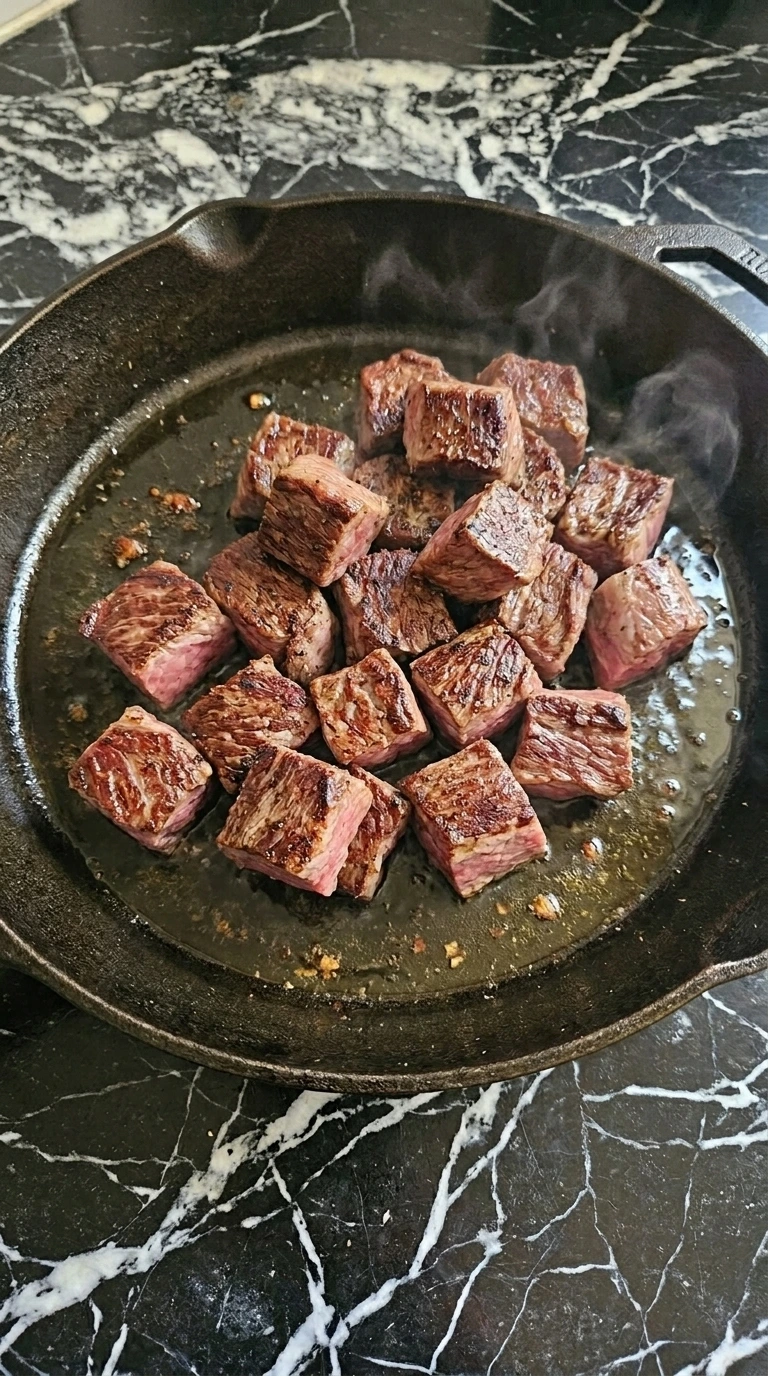
Heat 2 tablespoons of olive oil in a 12-inch cast iron skillet over medium-high heat (about 7 on a 10-dial) until the oil shimmers. Carefully place the beef cubes in the pan. Make sure you don’t crowd them so the heat stays high.
Sear the meat for exactly 2 minutes per side without moving them. You’ll hear a loud sizzling sound and smell the savory beef aroma. The edges will turn a deep mahogany and a thick crust will form on the surface.
Don’t move the meat too early or the crust will tear off and stick to the pan. Sear on high heat, the Maillard reaction creates all the flavor for our sauce later.
Tip: If your pan isn’t big enough, sear the meat in two batches. Crowding the pan drops the temperature and ruins the crust.
Step 3: Melt the garlic butter
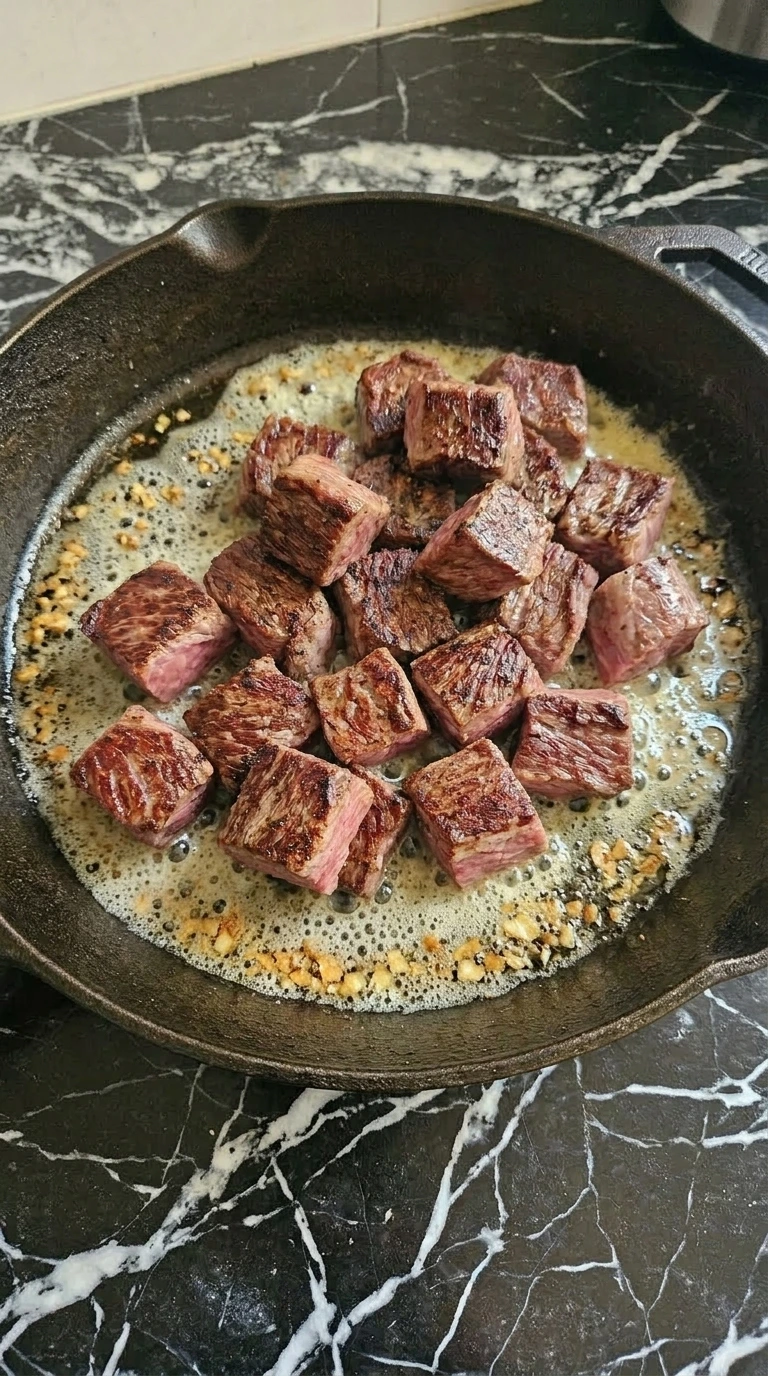
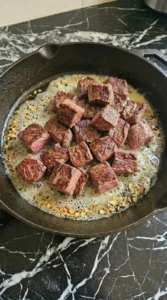
Turn the heat down to medium (about 5 on the dial) and add 4 tablespoons of unsalted butter and 4 cloves of minced garlic. Swirl the pan gently to melt the butter and move the garlic around so it doesn’t burn. Sauté for about 60 to 90 seconds until the butter starts to foam and turns slightly golden.
You’ll smell the garlic toast right when it’s ready. If you love this , it’s very similar to how I prep the base for my Shepherd’s Pie. Watch the garlic closely because it turns bitter the second it goes past golden brown.
Use medium heat, it keeps the butter solids from burning while the garlic infuses.
Tip: Use a spoon to baste the hot garlic butter over the steak cubes repeatedly. This adds extra flavor and keeps the meat moist.
Step 4: Assemble and finish the dish
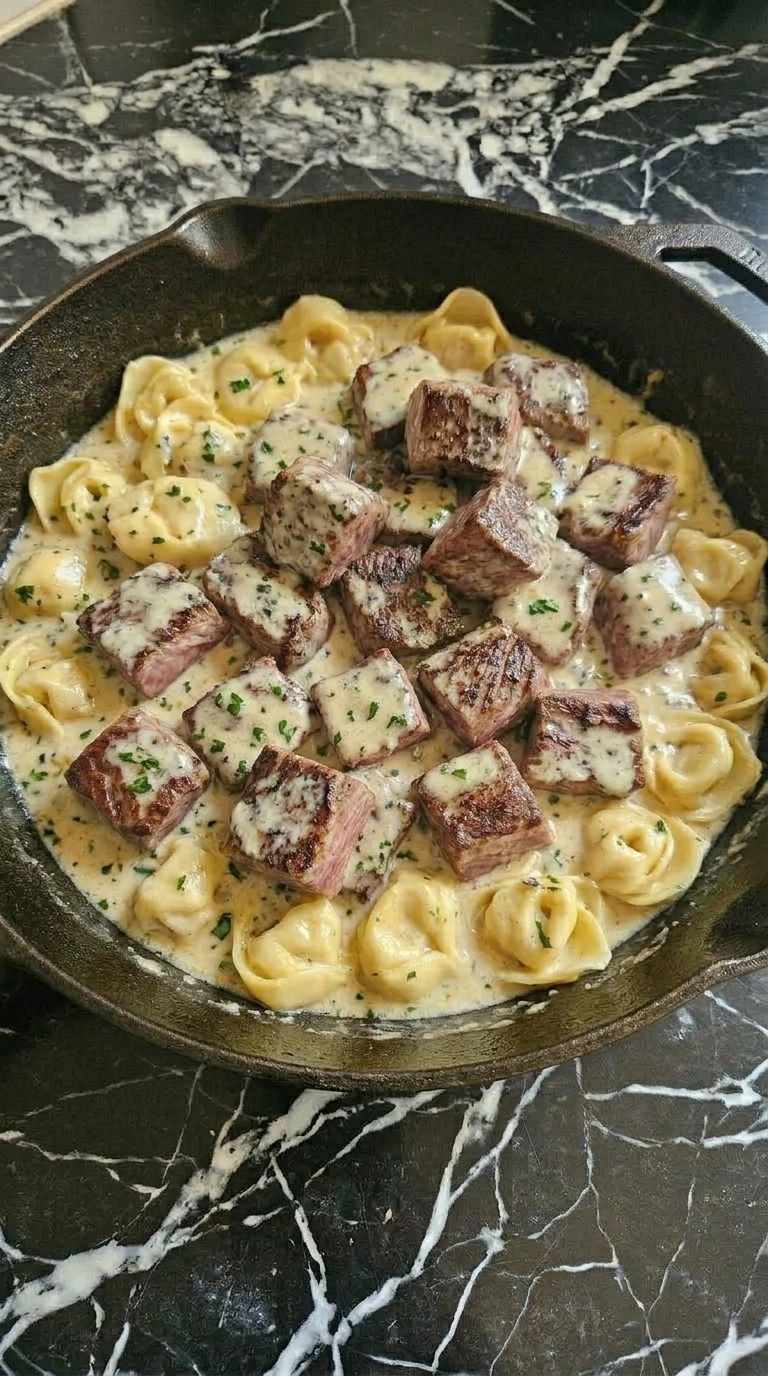
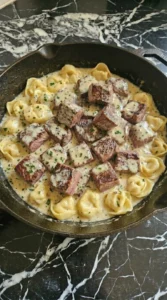
Add 1/2 cup of heavy cream and 1 cup of cooked cheese tortellini to the skillet. Stir gently with a wooden spoon for 2 to 3 minutes until the sauce thickens and coats the back of the spoon. Toss in a handful of chopped fresh parsley right at the end.
(I once tried using milk instead of cream. The sauce was way too thin and didn’t cling to the pasta, stick with the heavy cream for that restaurant-style finish. ) The sauce will turn a light ivory color and the tortellini will look glossy and fully coated.
If you miss this window and cook too long, the cream might break and look greasy. Finish with heavy cream, the fat emulsifies with the beef juices to create a smooth sauce.
Tip: If the sauce gets too thick, just add a splash of the pasta water or more cream to loosen it back up.
Pro Tips
- Let the steak sit at room temperature for 20 minutes before cooking. Cold meat won’t sear as well and can cause the pan temperature to drop.
- Mince the garlic fresh right before you use it. Pre-minced garlic in a jar has a muted flavor and won’t give you that sharp toasted aroma.
- Use a meat thermometer to check the beef bites. Pull them from the pan when they hit 130°F because they’ll reach a perfect 135°F while resting.
- Sear the meat in a single layer with space between cubes. If the pieces touch, they will steam instead of getting that dark mahogany crust.
- Chop the parsley very fine so it distributes evenly through the sauce. Large leaves can be distracting and won’t look as professional on the plate.
- Add a splash of beef broth if the sauce breaks. The extra liquid and protein help bring the fat and cream back together into a smooth emulsion.
- Use unsalted butter so you can control the seasoning yourself. Different brands of salted butter vary wildly in their salt content.
- Finish with a squeeze of lemon juice. The acidity cuts through the heavy cream and makes the garlic flavor really pop.
- Add 1 tablespoon of smoked paprika and 1/2 cup of bacon bites for a barbecue twist that pairs well with grilled meats.
- Toss in 1/2 cup of sliced mushrooms during the garlic sauté step for an earthy mushroom and garlic butter sauce.
- Whisk in 1 teaspoon of red pepper flakes with the garlic to give the steak bites a spicy kick that balances the cream.
- Swap the parsley for fresh basil and add a handful of halved cherry tomatoes for a Mediterranean .
Substitutions
- beef tenderloin: top sirloin steak — Sirloin is a great budget-friendly option. It’s slightly tougher so make sure to cut the pieces a little smaller and don’t overcook them.
- heavy cream: full-fat coconut milk — Use this for a dairy-free version. The flavor will be slightly different but the texture stays creamy and rich.
- cheese tortellini: zucchini noodles — If you want a lighter or gluten-free meal, zucchini noodles work well. They only need about 2 minutes in the sauce to soften. For another light option, try our Detox Green Smoothie for breakfast the next day.
Storage Tips
Store any leftovers in an airtight glass container in the refrigerator for up to 4 days. I don’t recommend freezing this dish because the heavy cream sauce and the pasta will change texture significantly when thawed. The cream often separates and the tortellini can become mushy.
When you’re ready to eat it again, reheat the steak and pasta in a small skillet over medium-low heat. Add 2 tablespoons of fresh cream or a splash of water to help the sauce emulsify. Watch for any sour smells or a greasy film as these are signs the cream has spoiled.
Reheating at a low temperature for 5 to 7 minutes is the best way to keep the meat tender.
Steak with Garlic Butter
Ingredients
- 1.5 pounds beef tenderloin Cut into 1.5-inch cubes. This lean and tender cut stays soft even with a high-heat sear.
- 4 tablespoons unsalted butter Cold and cut into cubes for even melting. It forms the base of the rich garlic sauce.
- 4 large garlic clove Finely minced to release the oils and flavor into the butter.
- 0.5 cups heavy cream Full-fat cream for a thick and stable sauce that won’t break when heated.
- 10 ounces cheese tortellini Pre-cooked according to package directions. It adds a hearty element to the meal.
- 2 tablespoons olive oil Used for searing the meat. It has a higher smoke point than butter.
- 0.25 cups fresh parsley Finely chopped for a fresh finish and a pop of color.
- 1 teaspoon sea salt Used to season the raw meat and enhance the savory beef flavor.
- 0.5 teaspoons black pepper Freshly cracked for a subtle heat that cuts through the rich butter.
Instructions
- Start by patting the beef tenderloin dry with paper towels so you get a better sear. Use a sharp chef’s knife to cut the meat into 1.5-inch cubes. Try to keep them as uniform as possible so they cook at the same rate. (I tried using smaller 1-inch cubes once, they overcooked before I could even get the butter in the pan. Stick to the 1.5-inch size for the best medium-rare center.) Season the cubes heavily with sea salt and cracked black pepper on all sides. This salt helps draw out moisture but it also creates that beautiful crust we want later. Cut the meat into uniform pieces, it ensures every bite reaches 135°F at the exact same time.
- Heat 2 tablespoons of olive oil in a 12-inch cast iron skillet over medium-high heat (about 7 on a 10-dial) until the oil shimmers. Carefully place the beef cubes in the pan. Make sure you don’t crowd them so the heat stays high. Sear the meat for exactly 2 minutes per side without moving them. You’ll hear a loud sizzling sound and smell the savory beef aroma. The edges will turn a deep mahogany and a thick crust will form on the surface. Don’t move the meat too early or the crust will tear off and stick to the pan. Sear on high heat, the Maillard reaction creates all the flavor for our sauce later.
- Turn the heat down to medium (about 5 on the dial) and add 4 tablespoons of unsalted butter and 4 cloves of minced garlic. Swirl the pan gently to melt the butter and move the garlic around so it doesn’t burn. Sauté for about 60 to 90 seconds until the butter starts to foam and turns slightly golden. You’ll smell the garlic toast right when it’s ready. If you love this , it’s very similar to how I prep the base for my Shepherd’s Pie. Watch the garlic closely because it turns bitter the second it goes past golden brown. Use medium heat, it keeps the butter solids from burning while the garlic infuses.
- Add 1/2 cup of heavy cream and 1 cup of cooked cheese tortellini to the skillet. Stir gently with a wooden spoon for 2 to 3 minutes until the sauce thickens and coats the back of the spoon. Toss in a handful of chopped fresh parsley right at the end. (I once tried using milk instead of cream. The sauce was way too thin and didn’t cling to the pasta, stick with the heavy cream for that restaurant-style finish.) The sauce will turn a light ivory color and the tortellini will look glossy and fully coated. If you miss this window and cook too long, the cream might break and look greasy. Finish with heavy cream, the fat emulsifies with the beef juices to create a smooth sauce.
Notes
Nutrition
Questions I Get Asked
You can prep the steak by slicing and seasoning it up to 24 hours in advance. Keep the raw cubes in an airtight container in the fridge until you’re ready to sear. However, it’s best to make the sauce fresh since cream-based sauces can separate when they’re reheated.
Stored in an airtight glass container, these steak bites and pasta will last for 3 to 4 days. Make sure to let the dish cool completely before sealing the lid to prevent excess moisture. To reheat, use a skillet on low heat with a splash of cream to keep it moist.
The sauce might be watery if the cream wasn’t reduced long enough or if the heat was too high. Simmer the sauce on medium-low for 3 to 5 minutes until it visibly thickens. It should coat the back of a spoon and leave a clean line when you draw your finger through it.
You can, but you must thaw it completely in the refrigerator first. Pat the meat extra dry with paper towels after it thaws to remove any surface ice crystals. If the meat is still slightly frozen in the center, it won’t cook evenly and the crust won’t form properly.
The best way is in a skillet over low heat for about 5 minutes. Add 1 or 2 tablespoons of heavy cream or water to the pan to help the sauce come back together. Avoid the microwave if possible because it can turn the beef rubbery and break the butter sauce.
In Conclusion
This is the kind of recipe I wish I had found years ago. It would have saved me so many stressful dinner nights when I wanted something fancy but didn’t have the time.
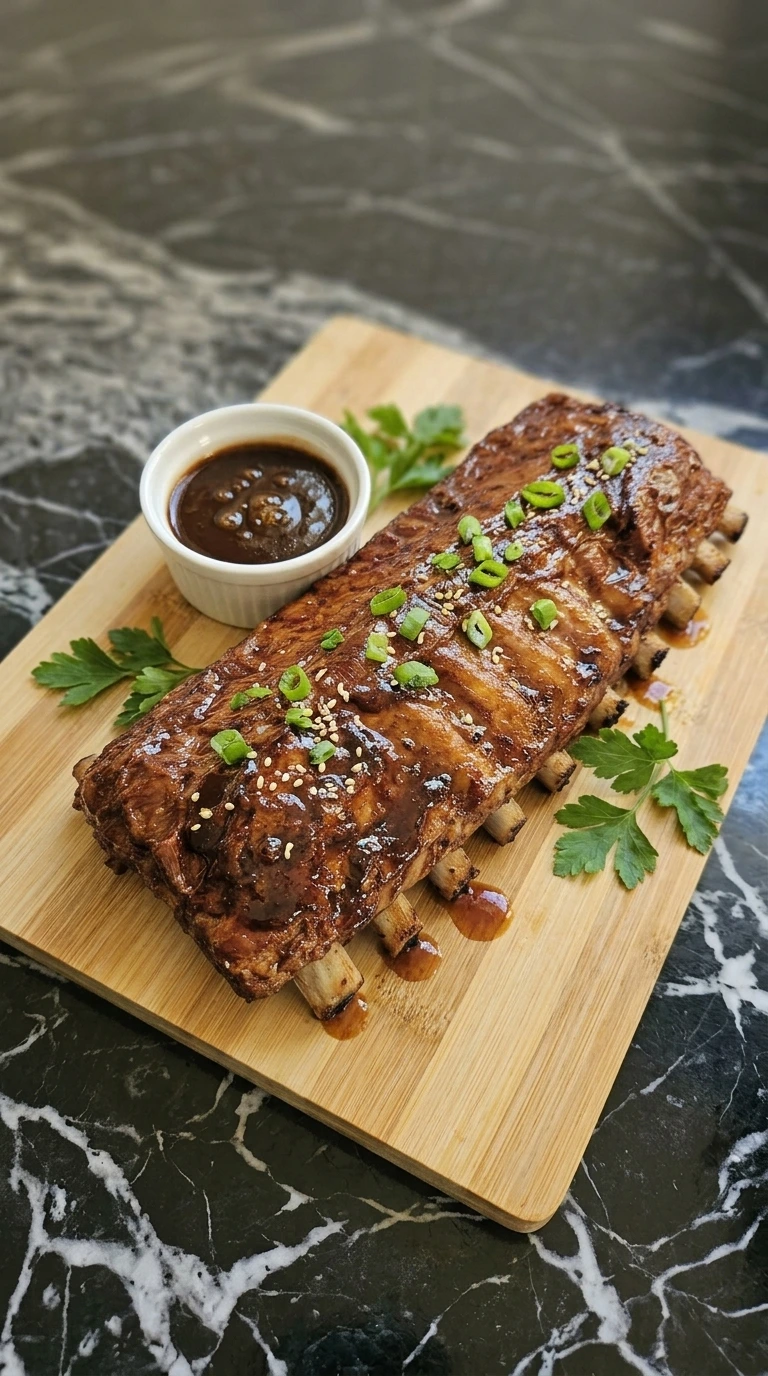
But now that I have it, I make it all the time and I think you will too. If you enjoyed this, check out some of my other popular recipes like the Bbq Ribs on the blog.
And leave a comment, I read every single one and it really makes my day.
The Maillard reaction, which gives the steak its crust, only happens at temperatures above 285°F.