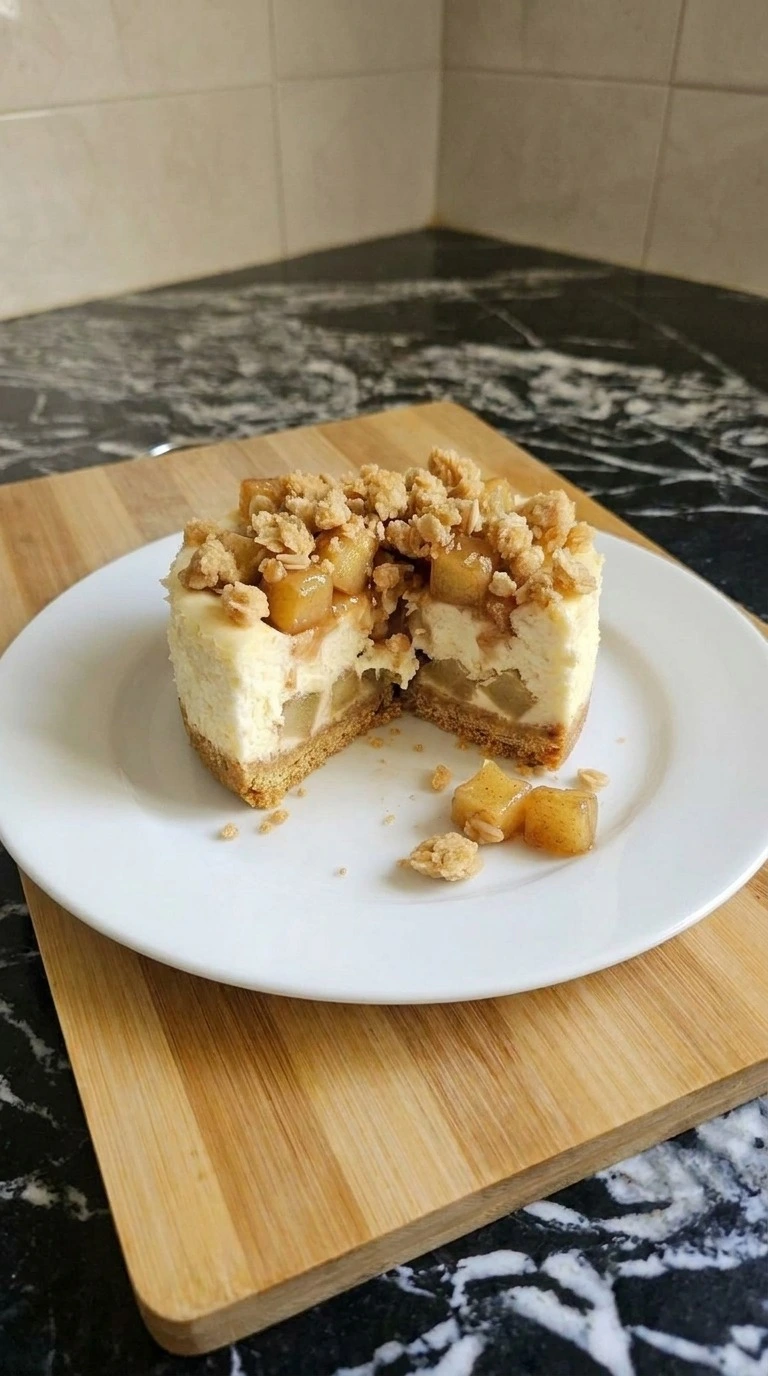
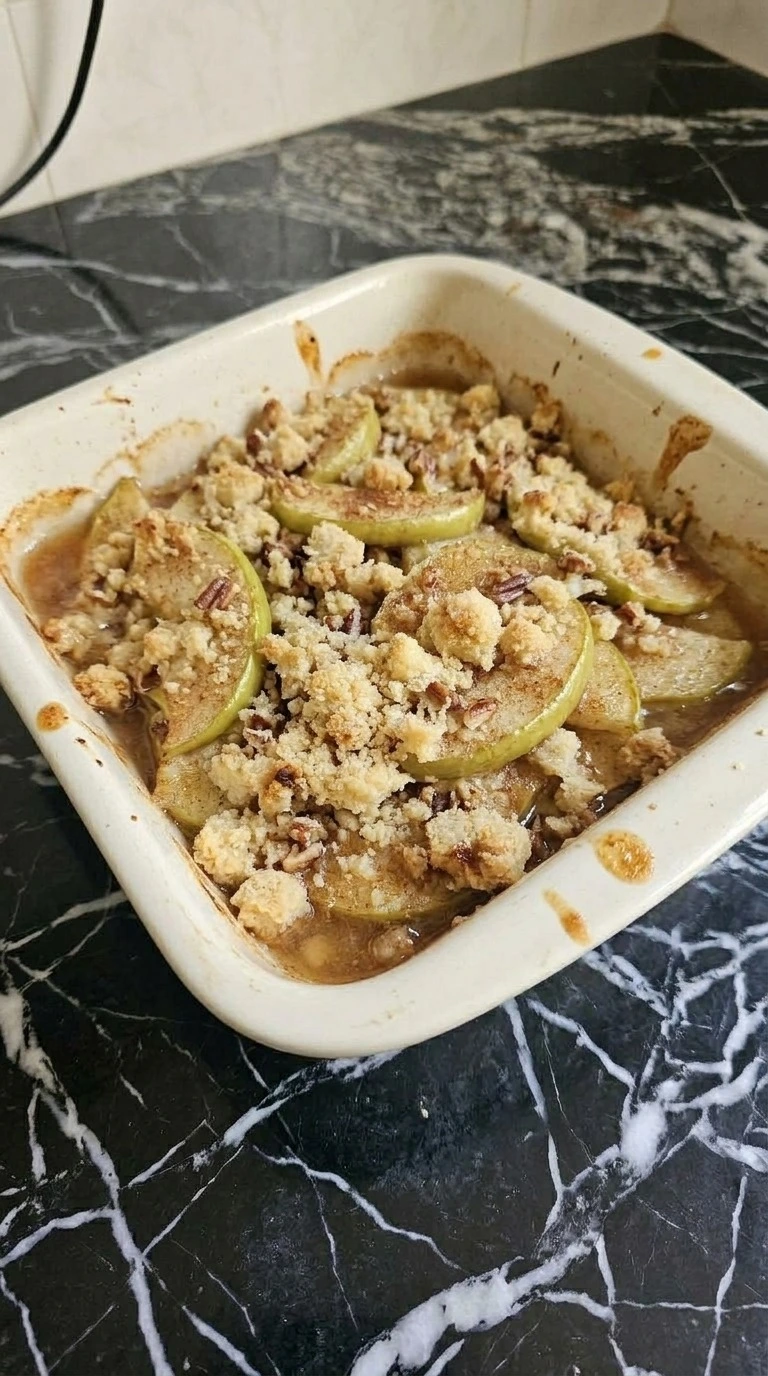
Fall Harvest Salad
Fresh apples, roasted squash and crisp greens make this the kind of dish I wish I’d learned sooner. The first time I made this Fall Harvest Salad was for Thanksgiving 2020 when we couldn’t travel, and I added the dressing too early. It still became the best part of the meal somehow.
That’s when I realized a good fall salad can be much more forgiving than people expect. Since then I’ve made this version for holiday dinners, random Tuesday nights when friends dropped by, and once for a potluck where three people asked for the recipe. This fall harvest salad brings together sweet fruit, roasted vegetables and crunchy toppings without feeling heavy.
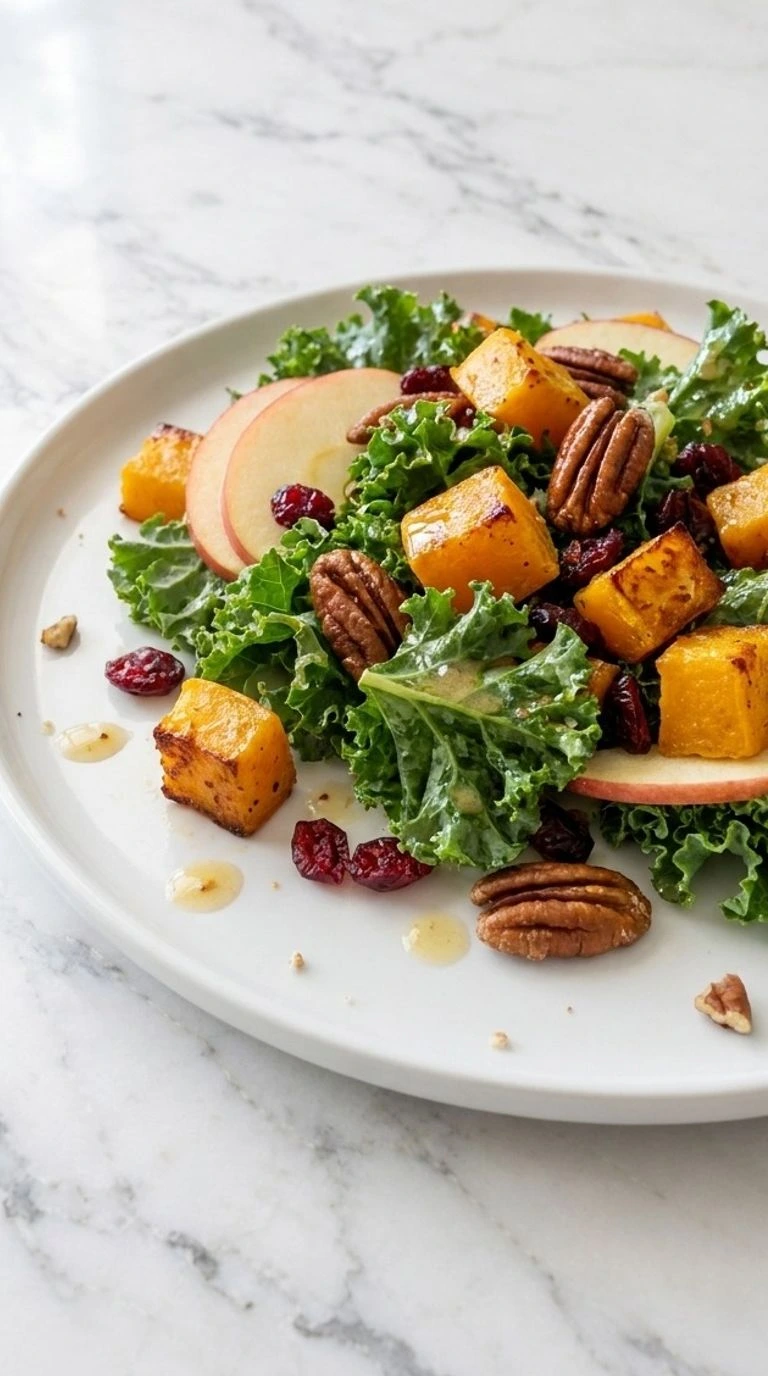
If you enjoy seasonal dishes, you might also like our Fall Pasta Salad Recipes with Cozy Harvest Flavor for another autumn-inspired idea. It’s colorful, fresh and packed with flavor while staying simple even if the ingredient list looks long. The roasted squash gives warmth, the apples add a bright bite and the maple dressing ties every part together.
Why This Recipe Works
Roasting butternut squash at 400°F creates caramelized edges while keeping the center soft. Massaging curly kale for 3 minutes breaks down tough fibers without making the leaves limp.
The maple dressing works because olive oil, vinegar and Dijon form a stable blend that coats each bite. If you enjoy seasonal salads, try our Fall Fruit Salad Thanksgiving Sides for another fresh combination.
Ingredients

- butternut squash: Cut into cubes and roasted until tender with caramelized edges.
- extra virgin olive oil: Used for roasting and creating a smooth dressing base.
- maple syrup: Adds natural sweetness to the squash and dressing.
- salt: Balances the sweet and savory flavors.
- black pepper: Adds mild warmth to the roasted vegetables.
- apple cider vinegar: Brings acidity to brighten the dressing.
- Dijon mustard: Helps the dressing blend smoothly.
- garlic: Minced to add a savory note.
- curly kale: Chopped and massaged to soften the leaves.
- Honeycrisp apple: Sliced for fresh sweetness and crunch.
- dried cranberries: Adds chewy fruit flavor.
- toasted pecans: Adds a nutty crunch throughout the salad.
- goat cheese: Crumbled on top for creamy contrast.
Kitchen Equipment
- Large mixing bowl: A 5-quart bowl gives enough room to massage kale and combine ingredients without crushing them, while a smaller bowl can spill and damage the salad texture.
- Half sheet baking tray: A sturdy metal tray around 13×18 inches spreads squash evenly for roasting, while thin trays can cause uneven browning and soft spots.
How to Make It
Step 1: Roast the butternut squash cubes
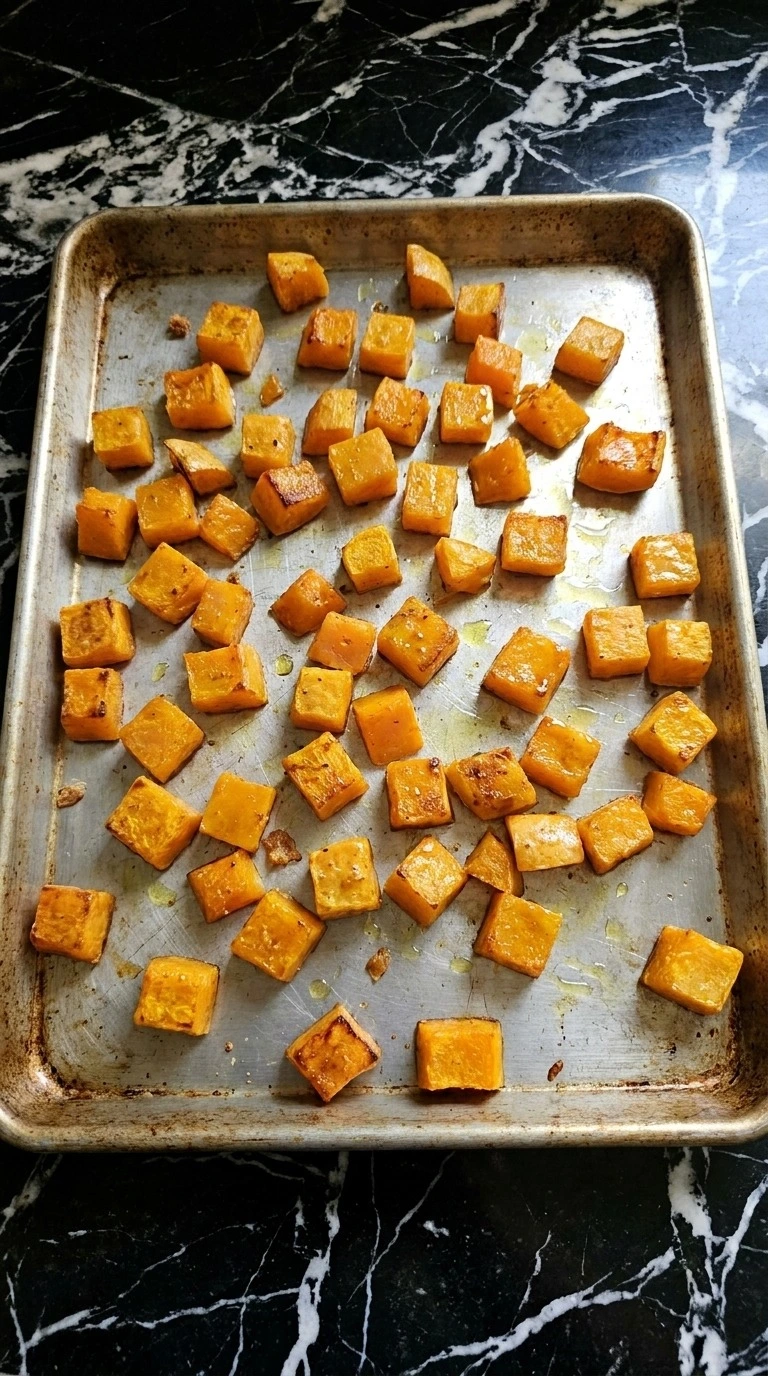
Cut 3 cups butternut squash cubes into even pieces and coat them with olive oil, maple syrup, salt and black pepper. Roast at 400°F for 25 to 30 minutes until the edges deepen in color. Flip the cubes halfway using a spatula motion so each side touches the hot tray.
You’ll smell the squash turn sweet and see caramelized corners appear. Don’t rush this step. The cubes should have tender centers and golden edges.
Miss this window and the squash stays watery. (I tested 425°F first and the outside darkened before the center softened. ) Roast at 400°F with space between cubes because steady heat creates caramelized edges.
Tip: Cut squash pieces close to 1-inch size so they finish together during the 25 to 30 minute roast.
Step 2: Whisk the maple dressing
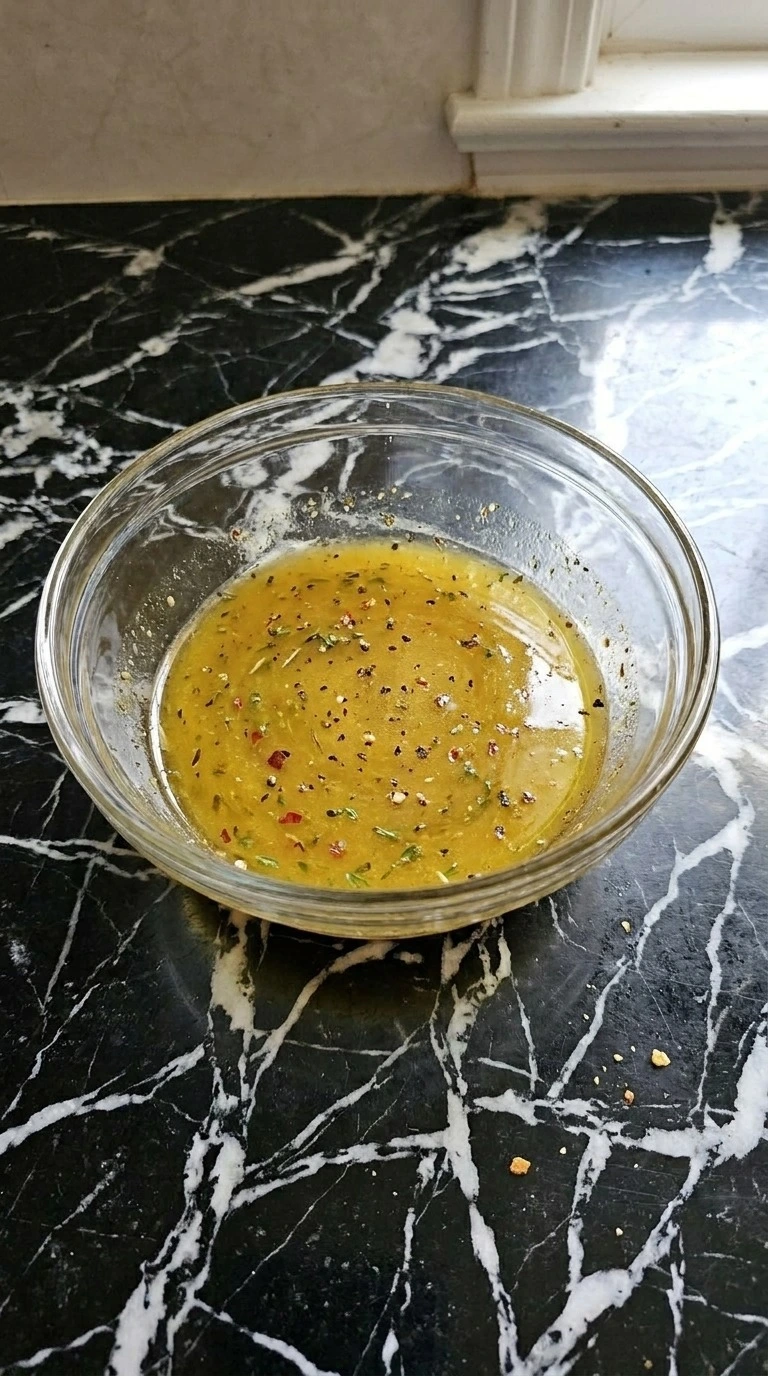
Combine 3 tablespoons extra virgin olive oil, 2 tablespoons maple syrup and 1 tablespoon apple cider vinegar with Dijon mustard, garlic and spices. Whisk for 60 to 90 seconds with a circular motion until the mixture looks slightly thickened. The dressing should cling lightly and smell bright from the vinegar.
Keep it moving. You’ll notice the oil and vinegar blend into a smooth golden mixture. Skip the whisking time and the dressing separates too fast.
Whisk for 90 seconds because the emulsion keeps flavors balanced.
Tip: Make the dressing up to 3 days ahead and shake it again for 20 seconds before serving.
Step 3: Massage the kale and combine ingredients
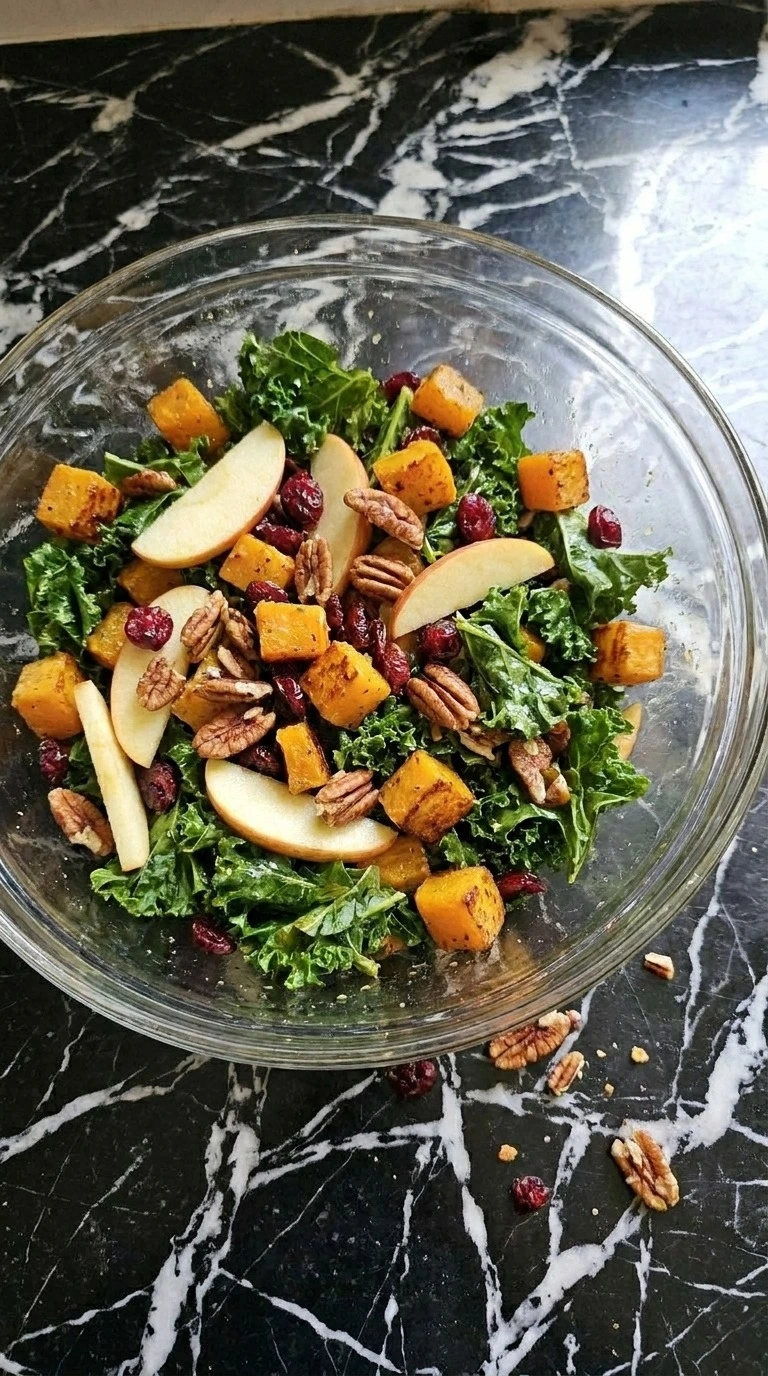
Add 8 cups chopped curly kale to a large bowl and massage the leaves with half of the dressing for 2 to 3 minutes using your fingertips. Add 2 sliced Honeycrisp apples, roasted butternut squash cubes, dried cranberries and toasted pecans, then fold gently with a spoon motion. The kale will soften and turn darker green while the fruit stays crisp.
Use gentle pressure. The salad should look mixed but not compressed. If you overwork the leaves, the texture becomes flat and loses bite.
Massage kale for 3 minutes because the fibers soften without losing structure.
Tip: Remove thick kale stems before chopping because they stay tough even after mixing.
Step 4: Finish and plate the salad

Transfer the mixed salad to a serving plate and drizzle the remaining dressing over the top. Add 1/4 cup crumbled goat cheese and a final sprinkle of toasted pecans while arranging pieces naturally by hand for 1 to 2 minutes. The colors should stay varied with creamy cheese, bright fruit and orange squash visible throughout.
Don’t pack it tightly. The finished salad has soft roasted bites, crisp apple pieces and a light coating of dressing. Miss this final balance and the toppings can disappear into the greens.
Plate gently because layered textures make every bite different.
Tip: Serve the salad within 15 minutes after dressing for the best contrast between crisp fruit and tender kale.
Pro Tips
- Massage the kale for exactly 2 to 3 minutes with clean hands until the leaves feel softer and darker green without becoming mushy.
- Choose firm Honeycrisp apples that feel heavy for their size because soft apples lose their crisp texture within the first hour.
- Roast the pecans at 350°F for 5 to 8 minutes before adding them because warm nuts release a stronger aroma.
- Keep the dressing separate for meal prep and combine it within 15 minutes of serving so the salad keeps its fresh bite.
- Avoid cutting squash cubes larger than 1 inch because pieces that size may stay firm after the 30 minute roasting window.
- Add goat cheese at the end using 1/4 cup because early mixing can hide its creamy texture among the greens.
- Use a bowl with at least 5 quarts of space because crowded greens tear easily during mixing.
- Add 1 cup cooked quinoa and extra maple dressing for a fall quinoa salad version with more protein and a heartier texture.
- Mix in 1/2 cup pomegranate seeds during winter gatherings for a brighter fruit flavor and a colorful seasonal twist.
- Replace butternut squash with 3 cups roasted sweet potato cubes for a sweeter version that keeps the same roasting method.
- Add 1 cup cooked penne and extra vegetables to create a fall harvest pasta salad with a fuller meal feel.
Substitutions & Variations
- goat cheese: crumbled feta cheese — Use the same 1/4 cup amount for a saltier and firmer topping. The flavor becomes sharper, but the creamy contrast stays similar.
- curly kale: baby spinach — Replace all 8 cups with spinach for a softer texture. Add the dressing just before serving because spinach wilts faster than kale.
- Honeycrisp apple: Fuji apple — Use 2 large Fuji apples for a sweeter crunch. The result has less tart flavor but keeps the crisp bite.
- toasted pecans: roasted sunflower seeds — Use 3/4 cup sunflower seeds for a nut-free option. They add crunch but give the salad a lighter nutty taste.
- maple syrup: honey — Use the same 3 tablespoons of honey for a floral sweetness. If you want a dairy-free meal, this recipe already works well with plant-based toppings and can pair with our Healthy Creamy Tuna Salad (high Protein & Easy Lunch) for another lunch idea.
Storage Instructions
Keep Fall Harvest Salad in an airtight glass container in the fridge for up to 2 days. Do not freeze the mixed salad because apples and dressed greens become soft after thawing.
Freeze only the roasted squash in a sealed freezer bag for up to 3 months. For leftovers, let the salad sit out for 10 minutes before eating and add 1 tablespoon of fresh dressing if the leaves seem dry.
Discard it if the greens smell sour or the fruit becomes slimy.
Fall Harvest Salad
Ingredients
- 3 cups butternut squash Cut into cubes and roasted until tender with caramelized edges.
- 5 tablespoons extra virgin olive oil Used for roasting and creating a smooth dressing base.
- 3 tablespoons maple syrup Adds natural sweetness to the squash and dressing.
- 1 teaspoon salt Balances the sweet and savory flavors.
- 1/2 teaspoon black pepper Adds mild warmth to the roasted vegetables.
- 1 tablespoon apple cider vinegar Brings acidity to brighten the dressing.
- 1 teaspoon Dijon mustard Helps the dressing blend smoothly.
- 1 clove garlic Minced to add a savory note.
- 8 cups curly kale Chopped and massaged to soften the leaves.
- 2 large Honeycrisp apple Sliced for fresh sweetness and crunch.
- 1/2 cup dried cranberries Adds chewy fruit flavor.
- 3/4 cup toasted pecans Adds a nutty crunch throughout the salad.
- 1/4 cup goat cheese Crumbled on top for creamy contrast.
Instructions
- Cut 3 cups butternut squash cubes into even pieces and coat them with olive oil, maple syrup, salt and black pepper. Roast at 400°F for 25 to 30 minutes until the edges deepen in color. Flip the cubes halfway using a spatula motion so each side touches the hot tray. You’ll smell the squash turn sweet and see caramelized corners appear. Don’t rush this step. The cubes should have tender centers and golden edges. Miss this window and the squash stays watery. (I tested 425°F first and the outside darkened before the center softened.) Roast at 400°F with space between cubes because steady heat creates caramelized edges.

- Combine 3 tablespoons extra virgin olive oil, 2 tablespoons maple syrup and 1 tablespoon apple cider vinegar with Dijon mustard, garlic and spices. Whisk for 60 to 90 seconds with a circular motion until the mixture looks slightly thickened. The dressing should cling lightly and smell bright from the vinegar. Keep it moving. You’ll notice the oil and vinegar blend into a smooth golden mixture. Skip the whisking time and the dressing separates too fast. Whisk for 90 seconds because the emulsion keeps flavors balanced.

- Add 8 cups chopped curly kale to a large bowl and massage the leaves with half of the dressing for 2 to 3 minutes using your fingertips. Add 2 sliced Honeycrisp apples, roasted butternut squash cubes, dried cranberries and toasted pecans, then fold gently with a spoon motion. The kale will soften and turn darker green while the fruit stays crisp. Use gentle pressure. The salad should look mixed but not compressed. If you overwork the leaves, the texture becomes flat and loses bite. Massage kale for 3 minutes because the fibers soften without losing structure.
- Transfer the mixed salad to a serving plate and drizzle the remaining dressing over the top. Add 1/4 cup crumbled goat cheese and a final sprinkle of toasted pecans while arranging pieces naturally by hand for 1 to 2 minutes. The colors should stay varied with creamy cheese, bright fruit and orange squash visible throughout. Don’t pack it tightly. The finished salad has soft roasted bites, crisp apple pieces and a light coating of dressing. Miss this final balance and the toppings can disappear into the greens. Plate gently because layered textures make every bite different.

Notes
Frequently Asked Questions
Yes, prepare the roasted squash and dressing up to 3 days ahead and keep them separate. Massage the kale up to 24 hours before serving, then add apples and toppings within 30 minutes so the fruit stays crisp.
Store the assembled salad in a sealed container for up to 2 days at 40°F or below. The kale keeps its texture longer than softer greens, but apples may lose some crunch after the first day.
Yes, replace goat cheese with roasted sunflower seeds or dairy-free cheese alternatives. Use the same amount and add the replacement after mixing so the topping keeps its texture.
Watery texture usually happens when warm squash is mixed with dressing too soon. Let the roasted squash cool for about 20 minutes before combining it with kale and fruit.
Yes, double every ingredient and roast the squash on two trays at 400°F for 25 to 30 minutes. Avoid stacking the cubes because trapped moisture prevents caramelized edges.
Freezing the finished salad is not recommended because kale, apples and dressing lose their texture after thawing. You can freeze roasted squash alone for up to 3 months and build a fresh salad later.
Final Thoughts
Making this on a weekend afternoon with music playing, the way I do, shows why this salad has stayed in my kitchen rotation for years. The little trick of roasting the squash until the edges deepen is what makes this fall salad stand out.
Try this Fall Harvest Salad for your next gathering and share your version with friends. It also pairs well with our Fall Pasta Salad Recipes with Cozy Harvest Flavor and Fall Fruit Salad Thanksgiving Sides. It works just as well when you are after fall quinoa salad, easy fall salad and fall harvest pasta salad.
Kale was once grown as an ornamental plant before it became popular in everyday meals. Massaging kale changes its texture by breaking down tough leaf fibers.