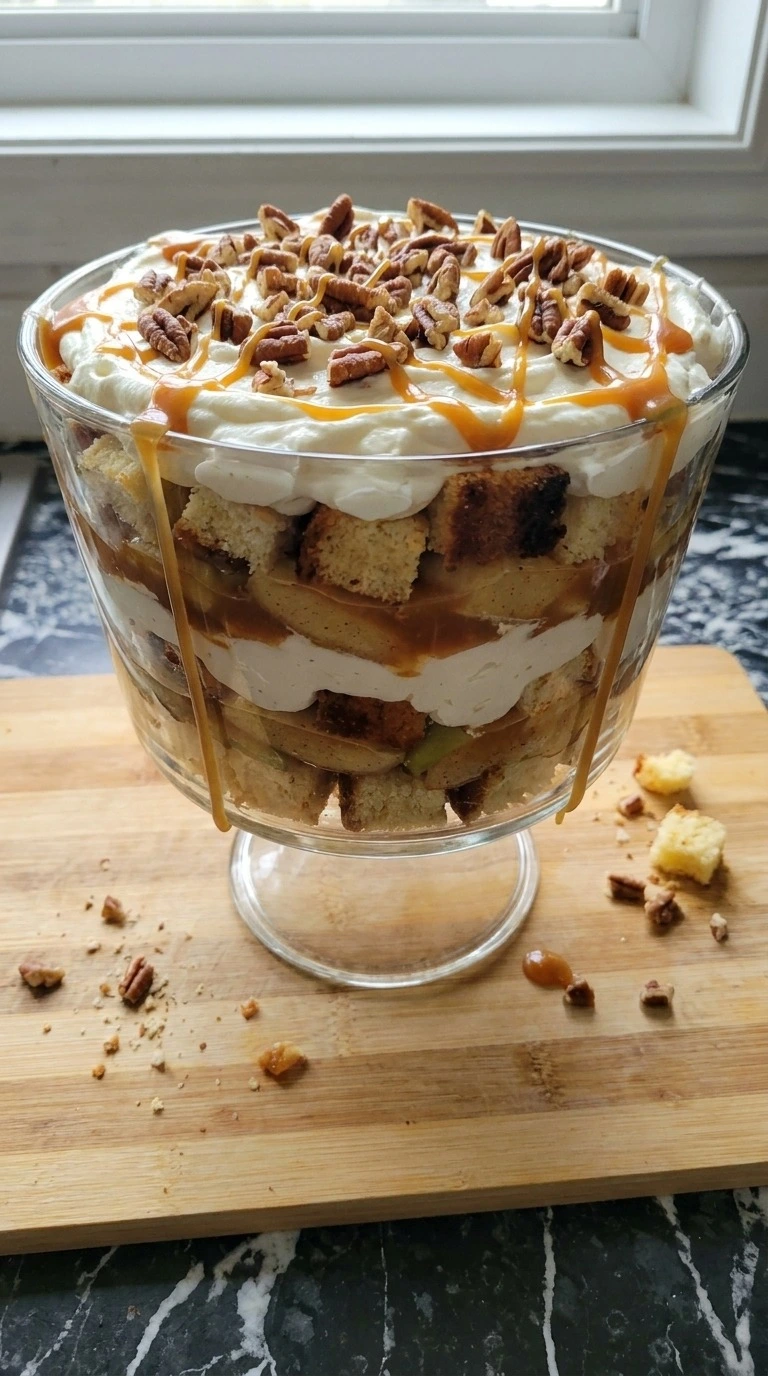
Loaded Baked Potato Soup
Cold evenings and family meals call for a bowl that feels familiar, and this Loaded Baked Potato Soup was one I had to share. This recipe is inspired by classic American comfort food and makes a filling potato soup recipe with creamy texture and rich toppings. The flavors come from baked russet potatoes, cheddar and bacon that create a cheesy potato soup with a thick homemade feel.
If you enjoy similar dishes, try our Bacon Cheeseburger Potato Soup Instant Pot Recipe for another hearty bowl. When people think about loaded potato soup, they often expect a heavy dish that takes too much work. But this version uses simple steps and careful heat control to create a creamy potato soup that feels special without being complicated.

The result is a warm bowl with smoky bacon and melted cheese in every spoonful.
Why This Recipe Works
Baking russet potatoes at 425°F before simmering gives the starch a deeper flavor and helps the soup keep small potato pieces instead of becoming flat. The bacon fat also carries the onion and garlic flavors through the broth.
Adding sharp cheddar over medium-low heat for 4 to 5 minutes keeps the dairy smooth. If you enjoy similar flavors, try our Creamy Cheeseburger Potato Soup Recipe for another rich bowl.
Ingredients
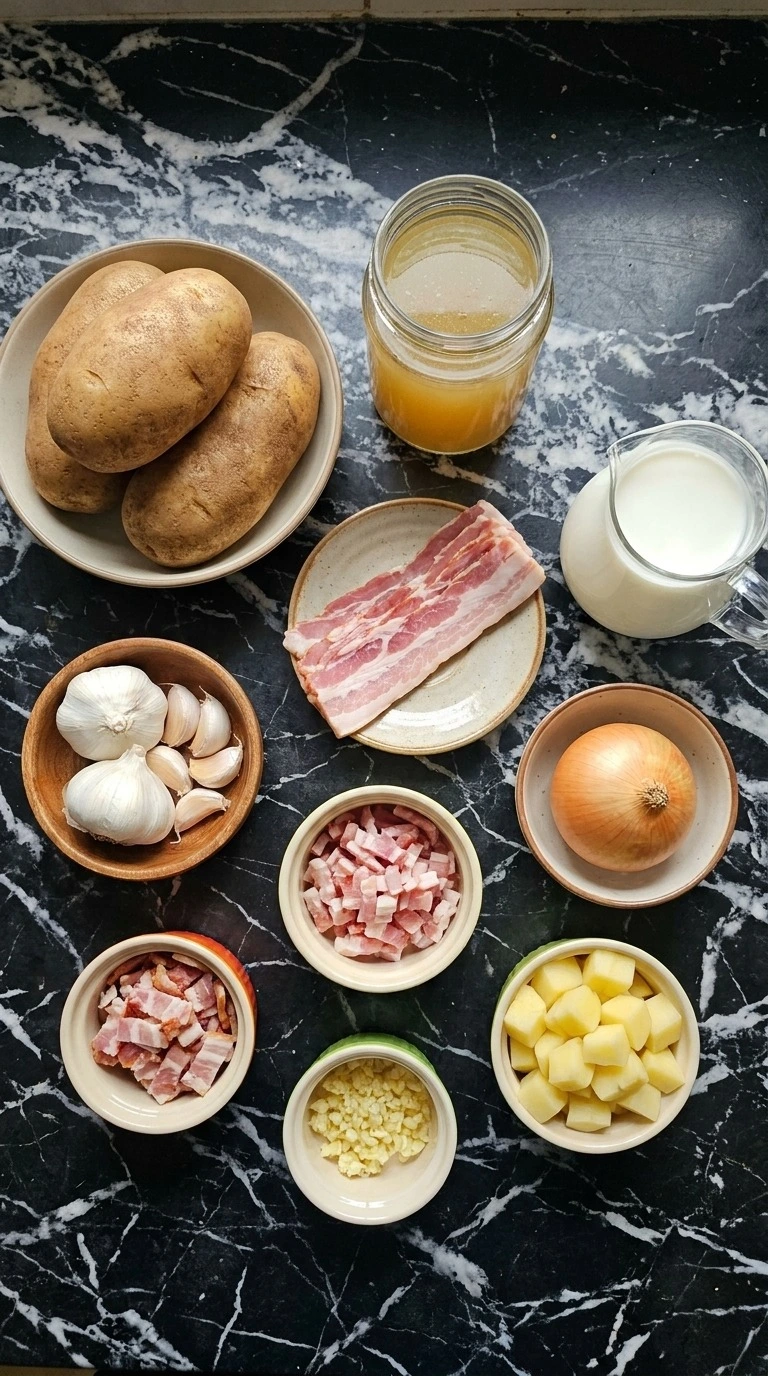
- russet potato: Baked until tender and cut into rustic pieces for natural thickness and potato flavor.
- bacon: Cooked until crisp and used for smoky flavor plus a crunchy topping.
- yellow onion: Diced and softened to build a sweet savory base.
- garlic cloves: Minced to add a warm aromatic layer.
- chicken broth: Used as the liquid base that carries the potato flavor.
- whole milk: Added for a lighter creamy texture.
- sharp cheddar: Shredded and melted for a rich cheesy finish.
- sour cream: Stirred in for tang and extra creaminess.
- green onion: Sliced and added as a fresh topping.
- salt: Balances the flavors in the soup.
- black pepper: Adds mild heat and depth.
Kitchen Equipment
- 6-quart heavy-bottom pot: A 6-quart heavy-bottom pot holds the soup comfortably and spreads heat evenly so the dairy base does not scorch during simmering.
- large baking tray: A large baking tray supports the russet potatoes while baking and should have enough space to avoid crowded potatoes that cook unevenly.
How to Make It
Step 1: Bake and cut the russet potatoes

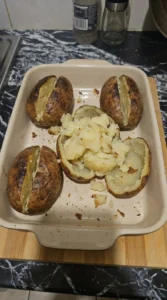
Bake 4 russet potatoes at 425°F for 50 to 60 minutes until the skins feel firm and the centers are soft. Split the potatoes with a knife, scoop the flesh and cut it into uneven 1-inch pieces with a gentle rocking motion. Keep the pieces rustic.
(I tested 375°F first, but the skins stayed pale and the centers needed much longer. 425°F gave the best texture. ) You’ll smell the baked potatoes when the centers soften and the edges show a slightly golden color.
Skip this timing and the soup can lose that deep baked flavor later. Bake at 425°F until tender because dry starch creates a fuller soup base.
Tip: Choose similar size russet potatoes so all four finish near the same time and the centers soften evenly.
Step 2: Cook the bacon and aromatics
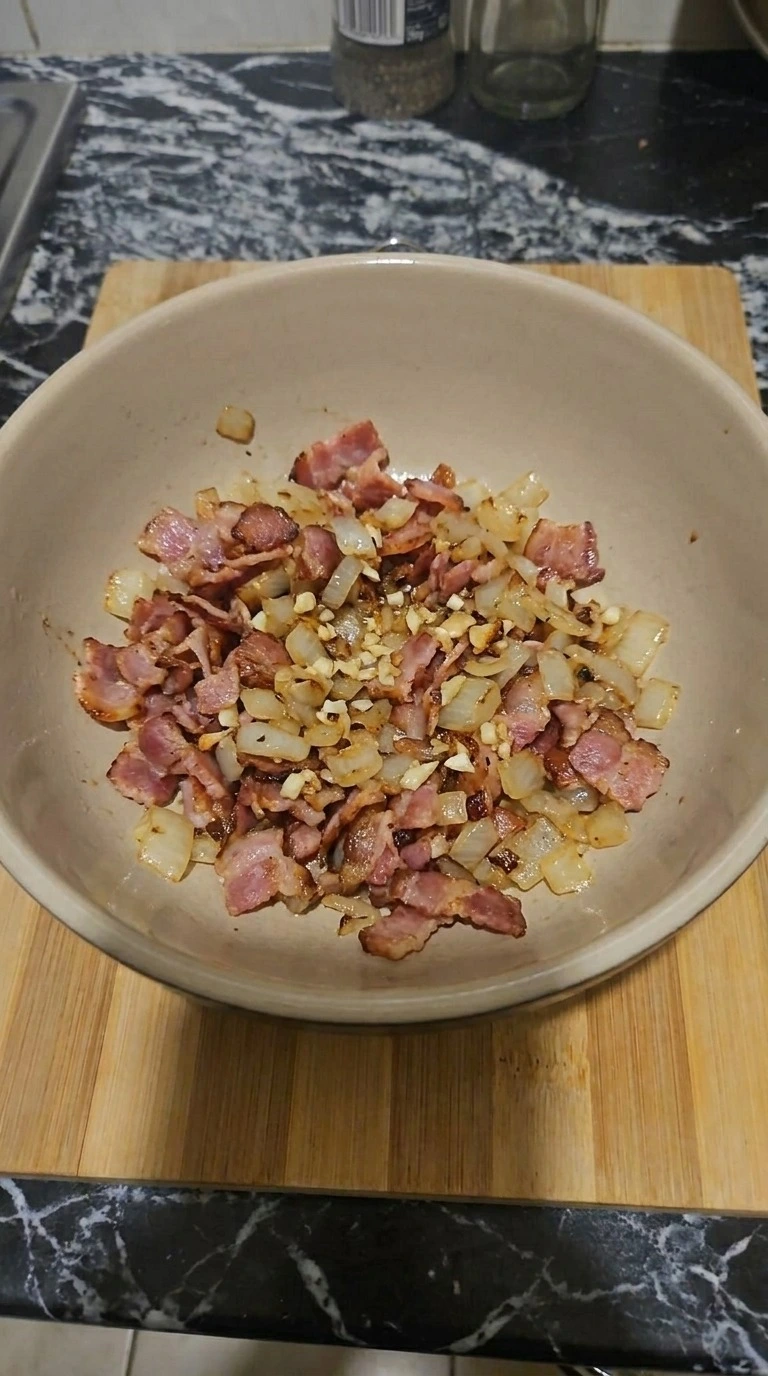
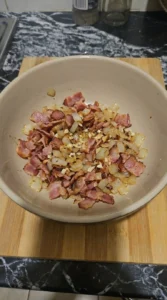
Cook 8 ounces bacon strips over medium heat about 6 to 8 minutes until crisp, then remove the pieces and leave the rendered fat. Add 1 diced yellow onion and 3 minced garlic cloves and stir with a wooden spoon for 3 to 4 minutes until soft. You’ll hear the bacon crackle and smell the garlic bloom.
Don’t rush this part because burnt garlic turns bitter. The onion should look translucent with light golden edges while the bacon stays crisp and uneven. Move the bacon pieces toward the side so the onion can soften in the center.
Medium heat for 8 minutes builds flavor without scorching the aromatics.
Tip: Save 2 tablespoons of bacon fat for the soup base because it adds a deeper smoky taste.
Step 3: Build and thicken the soup base
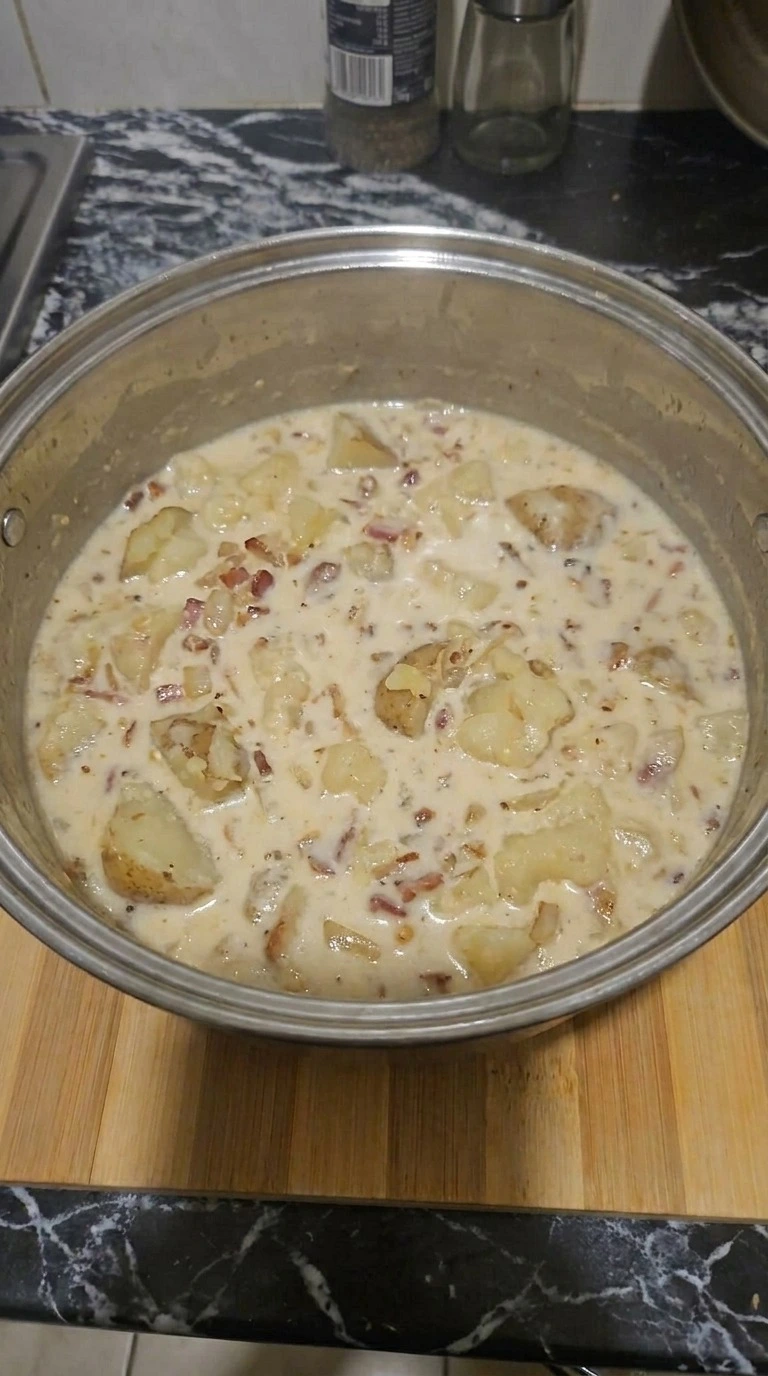
Combine the potato pieces with 4 cups chicken broth and 1 cup whole milk in a large pot. Simmer at medium-low heat about 15 to 18 minutes while you stir slowly with a spoon, then mash some potato pieces against the side to thicken the liquid. Add 1 teaspoon salt and 1/2 teaspoon black pepper during this stage.
The soup should coat the spoon and show soft potato edges. Miss this window and the texture can become thin. You’ll notice the broth change from clear to creamy as the starch blends into the liquid.
The aroma becomes warm and savory. Simmer 15 minutes so potato starch naturally thickens the soup.
Tip: Mash only part of the potatoes to keep small pieces visible instead of making the whole soup smooth.
Step 4: Melt the cheese and finish the soup
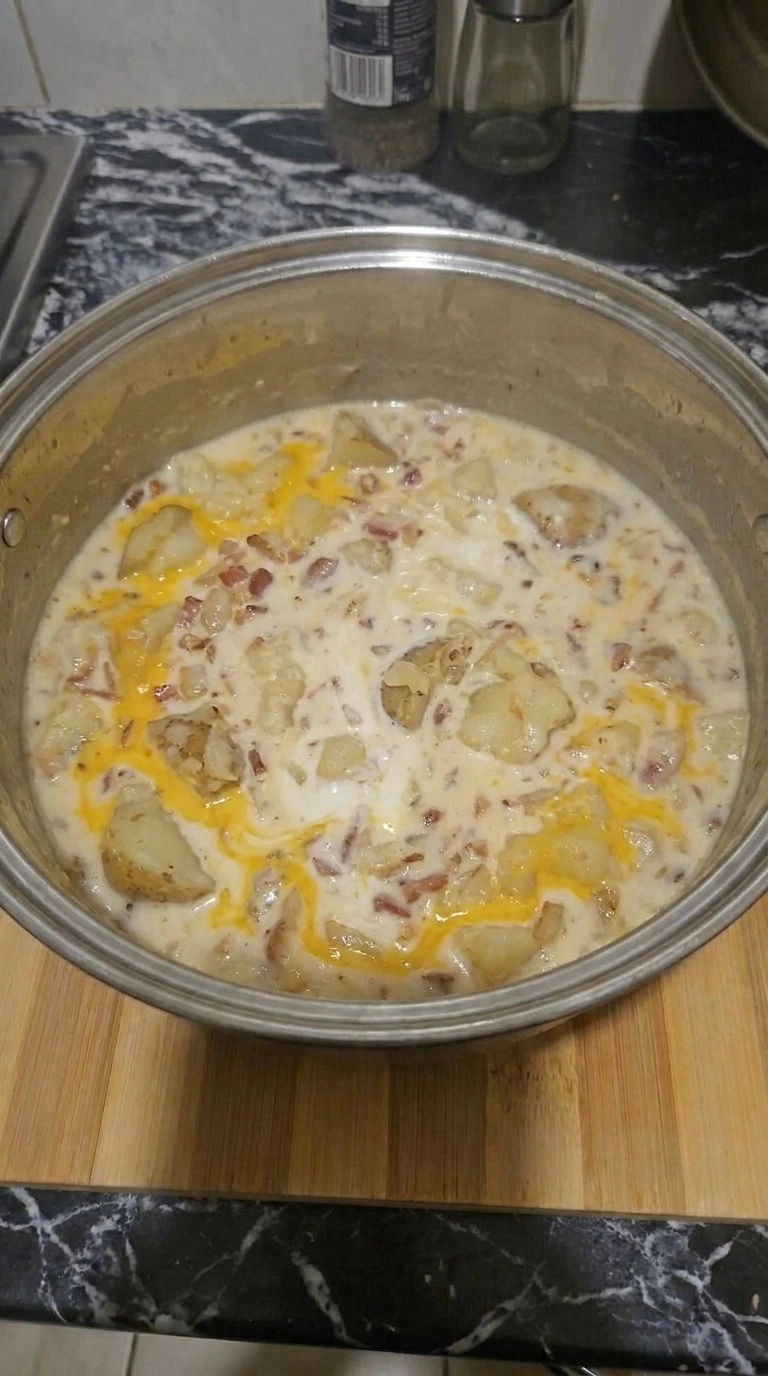
Stir 2 cups shredded sharp cheddar and 1/2 cup sour cream into the warm soup over medium-low heat about 4 to 5 minutes. Fold gently in circles so the cheese melts evenly without clumping. Add half of the bacon pieces back into the pot.
The surface becomes glossy and the cheese pulls slightly as it melts. Overheating now can make dairy separate. (I added cheese too early in one test batch and the texture became grainy.
Gentle heat fixed it. ) Keep the heat low because smooth dairy needs gradual melting.
Tip: Use freshly shredded sharp cheddar instead of pre-shredded cheese because it melts with a smoother texture.
Step 5: Serve the soup with toppings

Ladle the soup into bowls and top each portion with the remaining bacon pieces and 2 sliced green onions. Add the toppings with your fingers in uneven amounts so each serving looks homemade. Warm the finished soup at 160°F for 2 to 3 minutes if needed before serving.
The cheese stays soft and the toppings keep their texture. The final bowl should have creamy swirls, visible potato chunks and crispy bacon contrast. It won’t look perfectly arranged, and that’s the charm.
Serve warm because the toppings stay distinct when added at the end.
Tip: Let the soup sit for 5 minutes after topping so the flavors settle before the first spoonful.
Pro Tips
- Bake the russet potatoes at 425°F for 50 to 60 minutes and choose potatoes with similar sizes so the centers soften at the same rate.
- Shred sharp cheddar from a block instead of using pre-shredded cheese because the coating on packaged cheese can make the soup less silky after melting.
- Keep the soup pot around medium-low heat when adding dairy, and stir for 4 to 5 minutes because high heat can cause the cheese mixture to split.
- Save 2 tablespoons of bacon fat before cleaning the pan because it adds a smoky base that makes the onion and garlic taste deeper.
- Avoid mashing every potato piece after 15 minutes of simmering because keeping some chunks gives the soup a better homemade texture.
- Add the green onion topping within 5 minutes of serving so the fresh flavor stays bright and the color remains crisp.
- Warm leftovers at 160°F for 8 to 10 minutes and add 2 tablespoons of milk if the soup thickens too much overnight.
- Add 1 teaspoon smoked paprika and extra crispy bacon pieces for a smoky potato bacon soup version with deeper barbecue notes.
- Stir in 1 cup roasted broccoli florets after the cheese melts for a vegetable-loaded variation with more texture.
- Replace the bacon with cooked turkey bacon and use low-sodium broth for a lighter weeknight version.
- Add 1/2 cup caramelized yellow onion for a sweeter flavor that pairs well with the creamy potato base.
Substitutions & Variations
- whole milk: unsweetened oat milk — Use the same 1 cup amount for a dairy-free option. The soup becomes slightly lighter and less rich because oat milk has less milk fat.
- sharp cheddar: dairy-free cheddar shreds — Use 2 cups of dairy-free cheddar shreds if avoiding dairy. The texture may be less smooth, so melt it slowly over medium-low heat.
- sour cream: plain Greek yogurt — Replace 1/2 cup sour cream with 1/2 cup plain Greek yogurt. Add it off heat because yogurt can separate when boiled, but it adds a pleasant tang.
- chicken broth: vegetable broth — Use 4 cups vegetable broth for a vegetarian version. The flavor becomes lighter, so add an extra pinch of black pepper or smoked paprika if desired.
- russet potato: Yukon Gold potato — Use 4 large Yukon Gold potatoes for a naturally buttery texture. The soup will be slightly less fluffy because Yukon Gold has a waxier structure. For another potato idea, try our Crockpot Beefy Potato Taco Casserole.
Storage Instructions
Keep leftover Loaded Baked Potato Soup in an airtight glass or plastic container in the fridge for up to 4 days. For freezing, leave out the sour cream if possible, then store portions in freezer containers for up to 3 months.
Reheat gently at 160°F for 8 to 10 minutes and add 2 tablespoons of milk if the texture becomes too thick. Throw it away if you notice a sour smell, mold, or unusual separation after warming.
Loaded Baked Potato Soup
Ingredients
- 4 large russet potato Baked until tender and cut into rustic pieces for natural thickness and potato flavor.
- 8 ounces bacon Cooked until crisp and used for smoky flavor plus a crunchy topping.
- 1 medium yellow onion Diced and softened to build a sweet savory base.
- 3 garlic cloves Minced to add a warm aromatic layer.
- 4 cups chicken broth Used as the liquid base that carries the potato flavor.
- 1 cup whole milk Added for a lighter creamy texture.
- 2 cups sharp cheddar Shredded and melted for a rich cheesy finish.
- 1/2 cup sour cream Stirred in for tang and extra creaminess.
- 2 green onion Sliced and added as a fresh topping.
- 1 teaspoon salt Balances the flavors in the soup.
- 1/2 teaspoon black pepper Adds mild heat and depth.
Instructions
- Bake 4 russet potatoes at 425°F for 50 to 60 minutes until the skins feel firm and the centers are soft. Split the potatoes with a knife, scoop the flesh and cut it into uneven 1-inch pieces with a gentle rocking motion. Keep the pieces rustic. (I tested 375°F first, but the skins stayed pale and the centers needed much longer. 425°F gave the best texture.) You’ll smell the baked potatoes when the centers soften and the edges show a slightly golden color. Skip this timing and the soup can lose that deep baked flavor later. Bake at 425°F until tender because dry starch creates a fuller soup base.
- Cook 8 ounces bacon strips over medium heat about 6 to 8 minutes until crisp, then remove the pieces and leave the rendered fat. Add 1 diced yellow onion and 3 minced garlic cloves and stir with a wooden spoon for 3 to 4 minutes until soft. You’ll hear the bacon crackle and smell the garlic bloom. Don’t rush this part because burnt garlic turns bitter. The onion should look translucent with light golden edges while the bacon stays crisp and uneven. Move the bacon pieces toward the side so the onion can soften in the center. Medium heat for 8 minutes builds flavor without scorching the aromatics.
- Combine the potato pieces with 4 cups chicken broth and 1 cup whole milk in a large pot. Simmer at medium-low heat about 15 to 18 minutes while you stir slowly with a spoon, then mash some potato pieces against the side to thicken the liquid. Add 1 teaspoon salt and 1/2 teaspoon black pepper during this stage. The soup should coat the spoon and show soft potato edges. Miss this window and the texture can become thin. You’ll notice the broth change from clear to creamy as the starch blends into the liquid. The aroma becomes warm and savory. Simmer 15 minutes so potato starch naturally thickens the soup.

- Stir 2 cups shredded sharp cheddar and 1/2 cup sour cream into the warm soup over medium-low heat about 4 to 5 minutes. Fold gently in circles so the cheese melts evenly without clumping. Add half of the bacon pieces back into the pot. The surface becomes glossy and the cheese pulls slightly as it melts. Overheating now can make dairy separate. (I added cheese too early in one test batch and the texture became grainy. Gentle heat fixed it.) Keep the heat low because smooth dairy needs gradual melting.

- Ladle the soup into bowls and top each portion with the remaining bacon pieces and 2 sliced green onions. Add the toppings with your fingers in uneven amounts so each serving looks homemade. Warm the finished soup at 160°F for 2 to 3 minutes if needed before serving. The cheese stays soft and the toppings keep their texture. The final bowl should have creamy swirls, visible potato chunks and crispy bacon contrast. It won’t look perfectly arranged, and that’s the charm. Serve warm because the toppings stay distinct when added at the end.

Notes
Frequently Asked Questions
Yes, prepare the soup up to 2 days ahead and keep it chilled in a sealed container. Reheat it slowly at 160°F to 170°F for about 10 minutes while stirring gently so the dairy stays smooth.
Store the soup for up to 4 days in an airtight container kept below 40°F. When reheating after day two, check for sour smells or a separated texture before serving.
A thin texture usually happens when the potatoes release less starch or when too much broth is added. Simmer uncovered for 8 to 12 minutes at medium-low heat and mash a few potato pieces into the liquid to thicken it.
You can freeze it, but dairy texture may change after thawing. Freeze the soup before adding sour cream if possible, then thaw overnight and stir in fresh dairy while reheating at medium-low heat.
Yes, double every ingredient and use a larger 8-quart pot. Increase the simmer time by about 5 to 10 minutes and stir the bottom often because the thicker batch can heat unevenly.
Serve it with crusty bread, a simple salad, or a sandwich for a full meal. For another comforting option, try our Crockpot Chicken and Rice Soup when planning soup nights.
Final Thoughts
After making this bowl many times, this Loaded Baked Potato Soup remains one of my favorite comfort meals because it brings together creamy potatoes, smoky bacon and melted cheese. This version keeps the classic loaded potato soup style while adding a rich homemade texture without extra fuss.
It makes 4 generous servings and works well for family dinners, casual gatherings or a simple weekend meal. You can also pair it with our Creamy Cheeseburger Potato Soup Recipe for another potato soup recipe idea, then share your favorite topping combination.
Come back to it whenever you need cheesy potato soup, creamy potato soup and potato bacon soup.
Baked potatoes create more flavor than boiled potatoes because dry heat concentrates their natural starches and gives the soup a deeper taste.